Galápagos Islands
Galápagos: Wild, Strange, and Full of Wonder
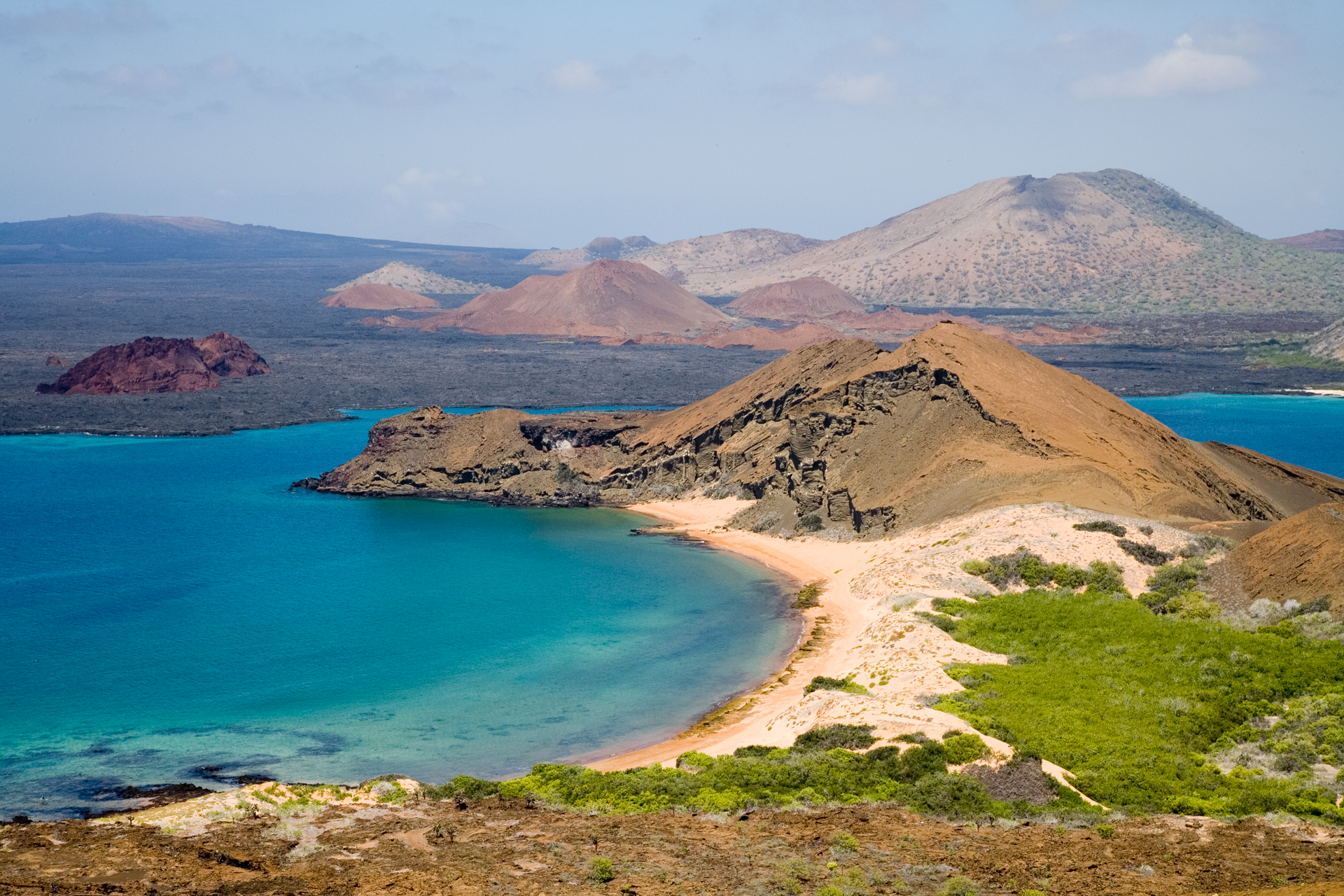
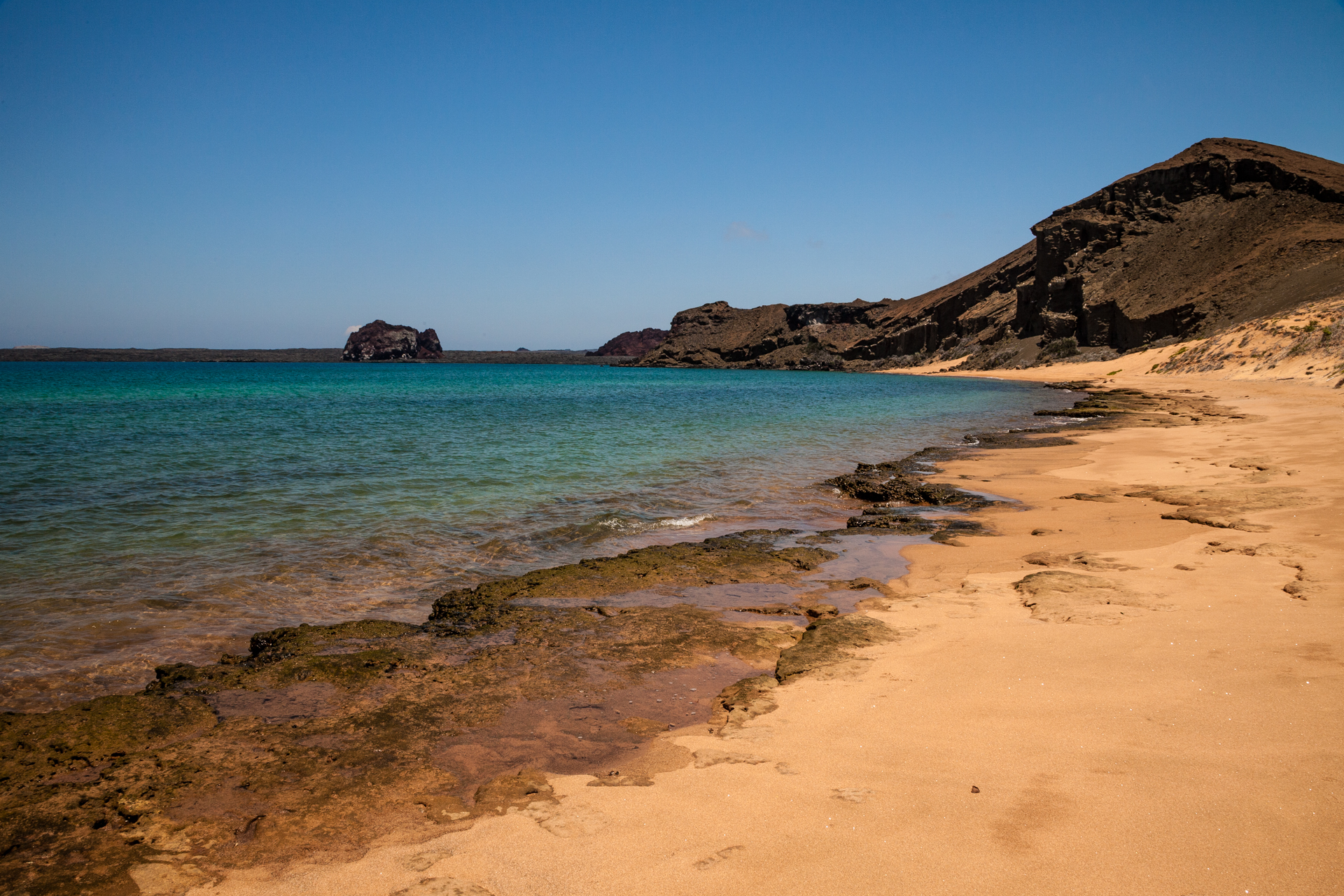
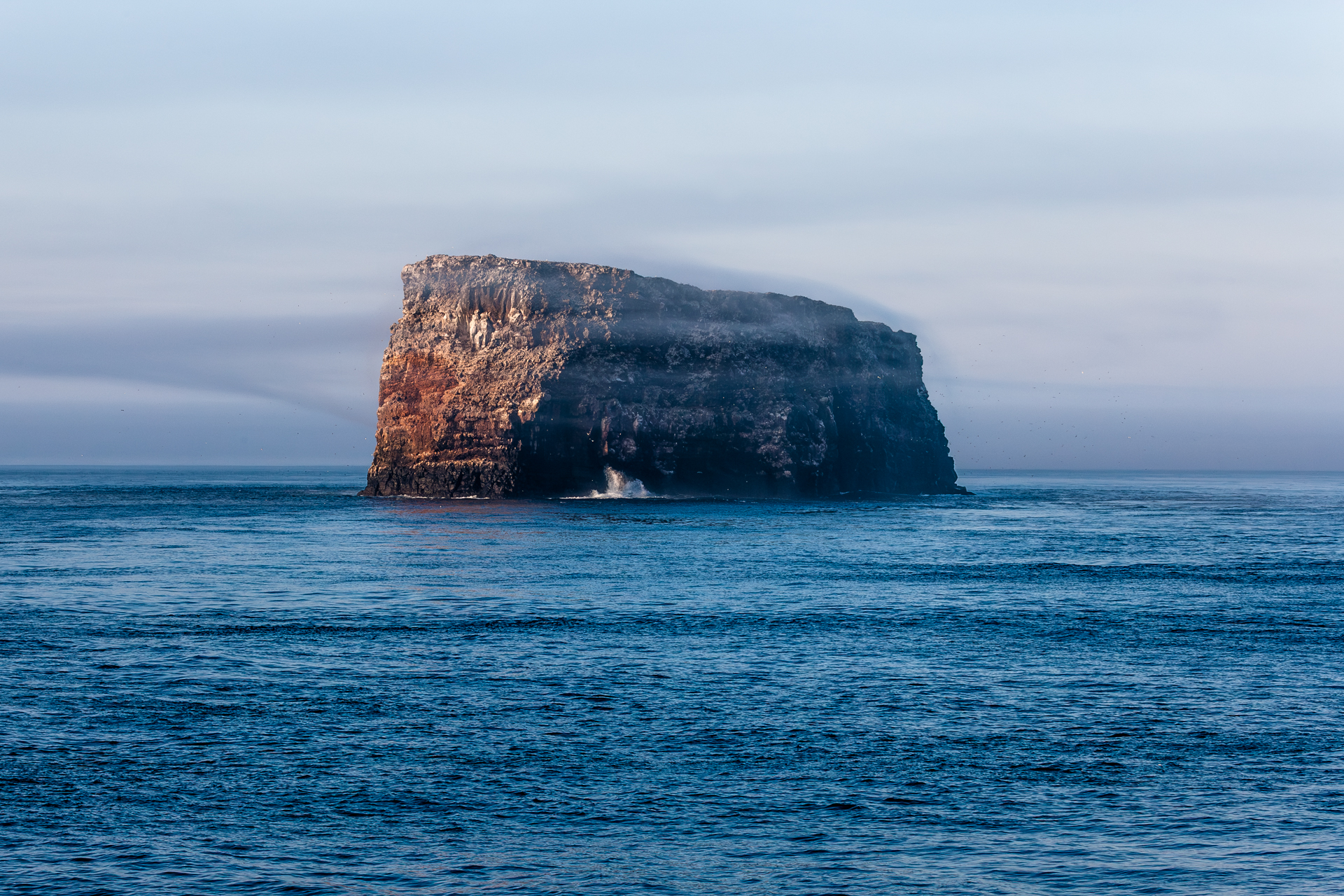
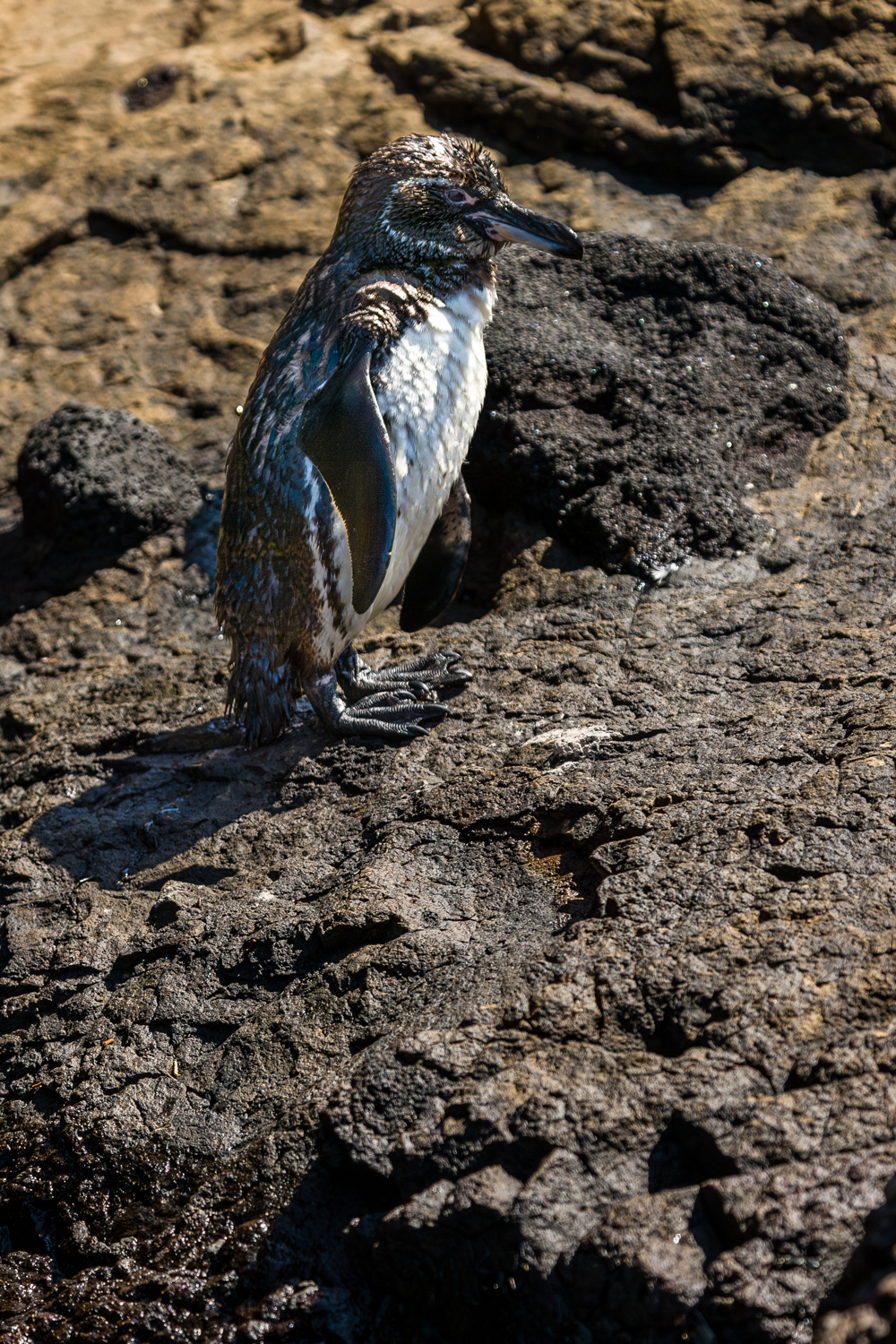
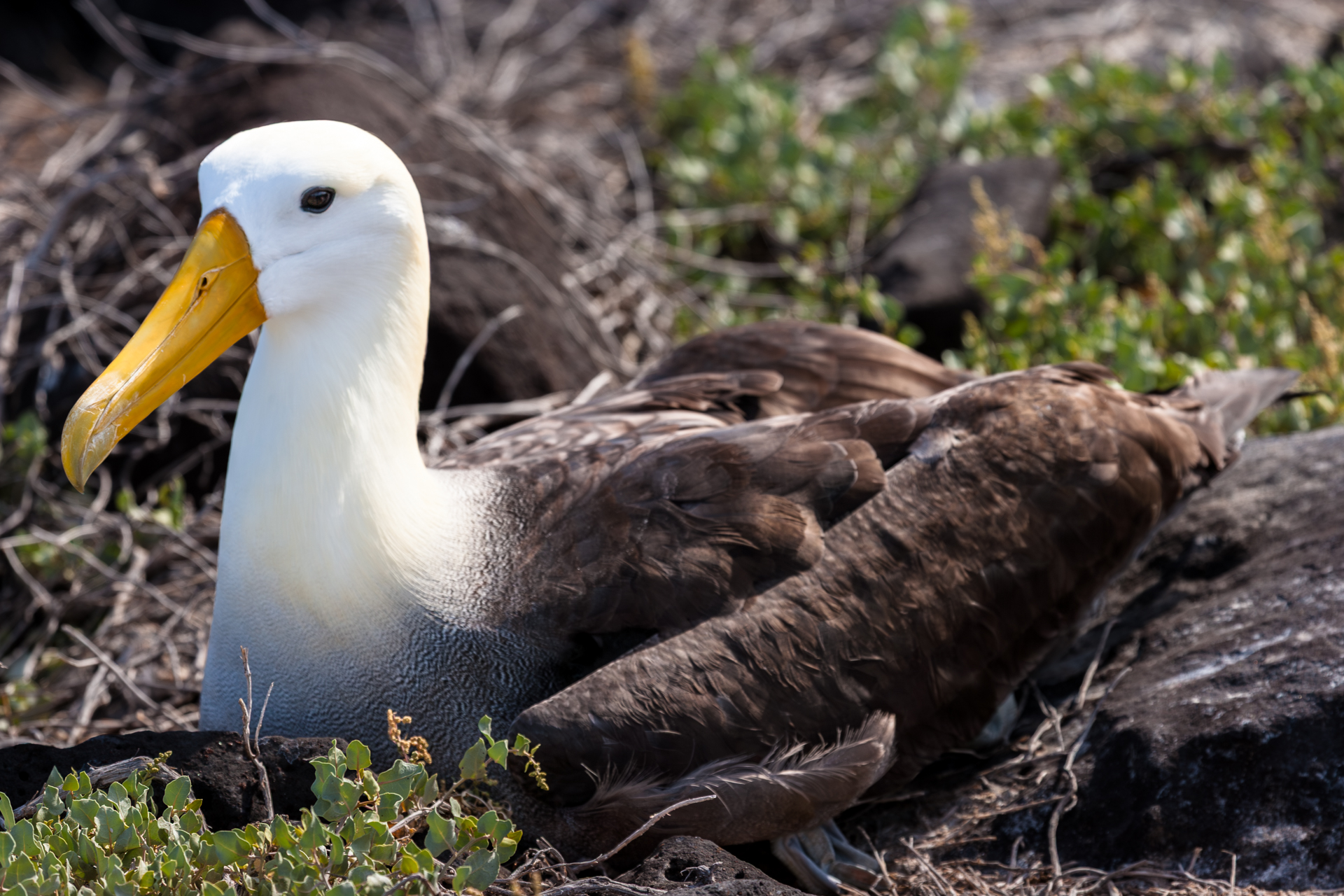
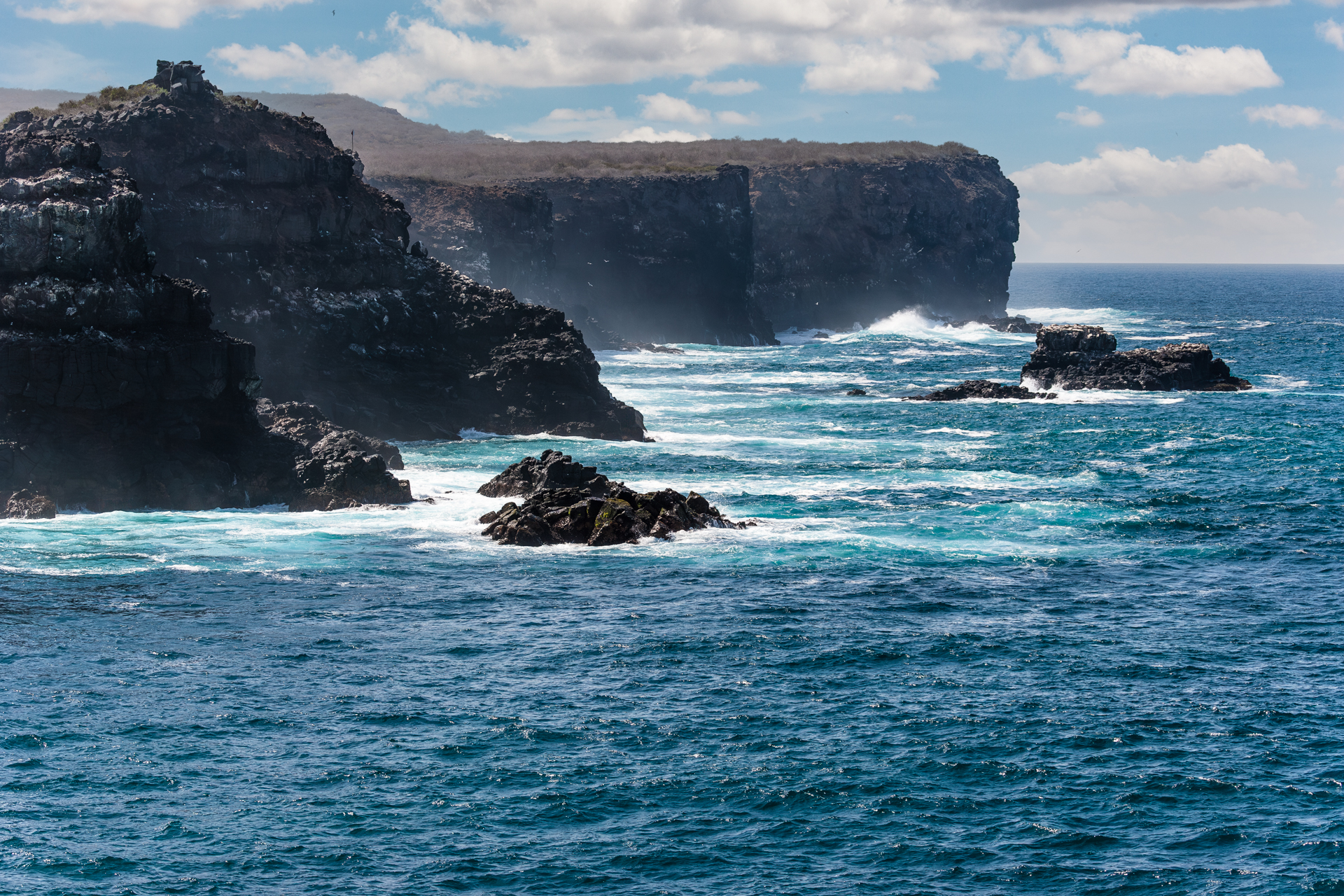
The Galápagos Islands felt like no place I’d ever been. Floating in the Pacific, hundreds of miles off the coast of Ecuador, the whole archipelago feels like it belongs to the animals and we’re just lucky visitors. I went there to photograph wildlife, but what I got was much more. I got to step into a living laboratory of evolution.
Of course, you can’t go to the Galápagos without thinking about Charles Darwin. He arrived in 1835 aboard the HMS Beagle, a young man with a curious mind. The creatures he found so oddly adapted to their isolated islands inspired him. It would take decades, but what he saw there helped him shape his theory of natural selection and eventually write On the Origin of Species. Standing where he once stood, watching the same animals he watched, gave the whole trip a feeling of quiet reverence and respect for his groundbreaking work.
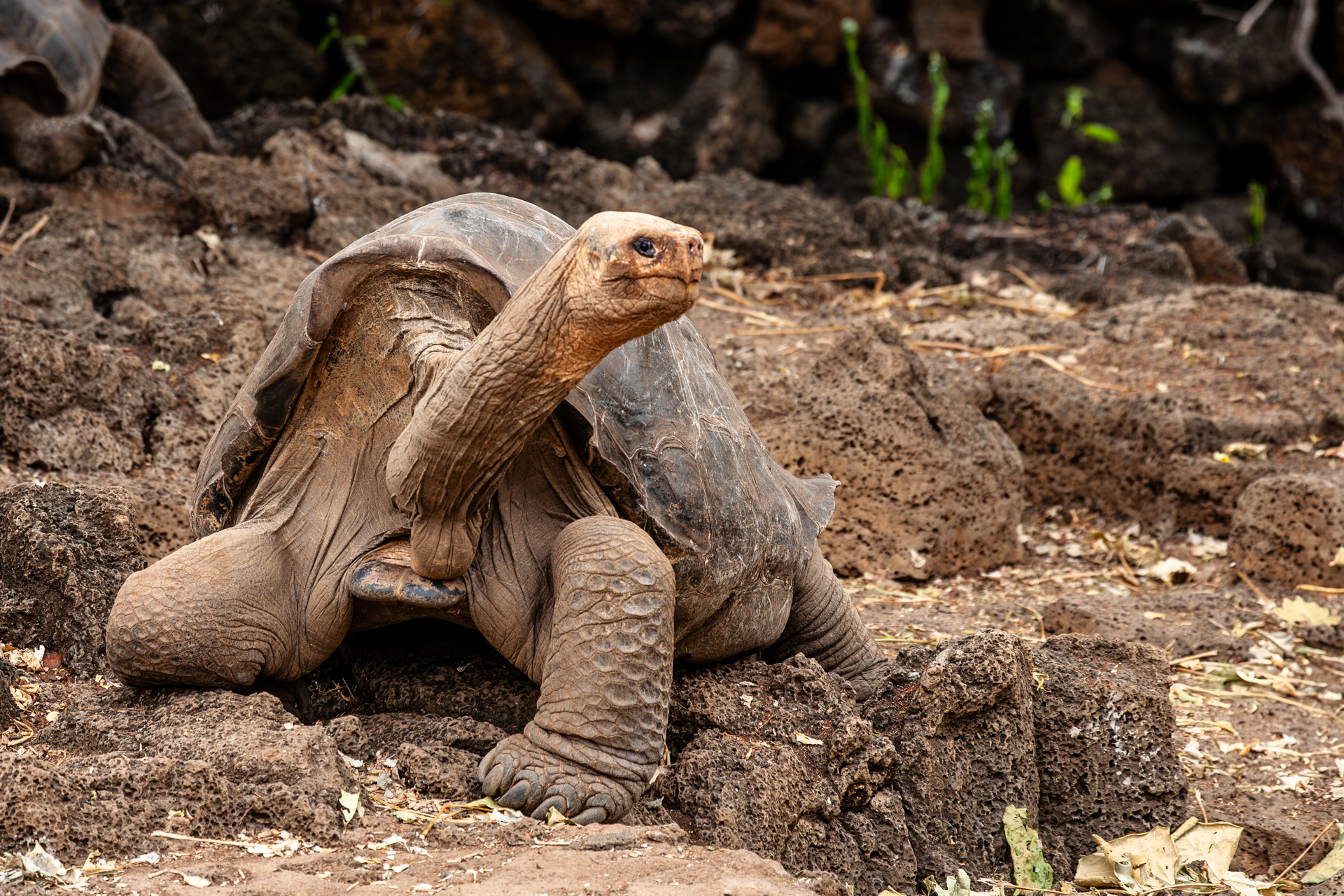
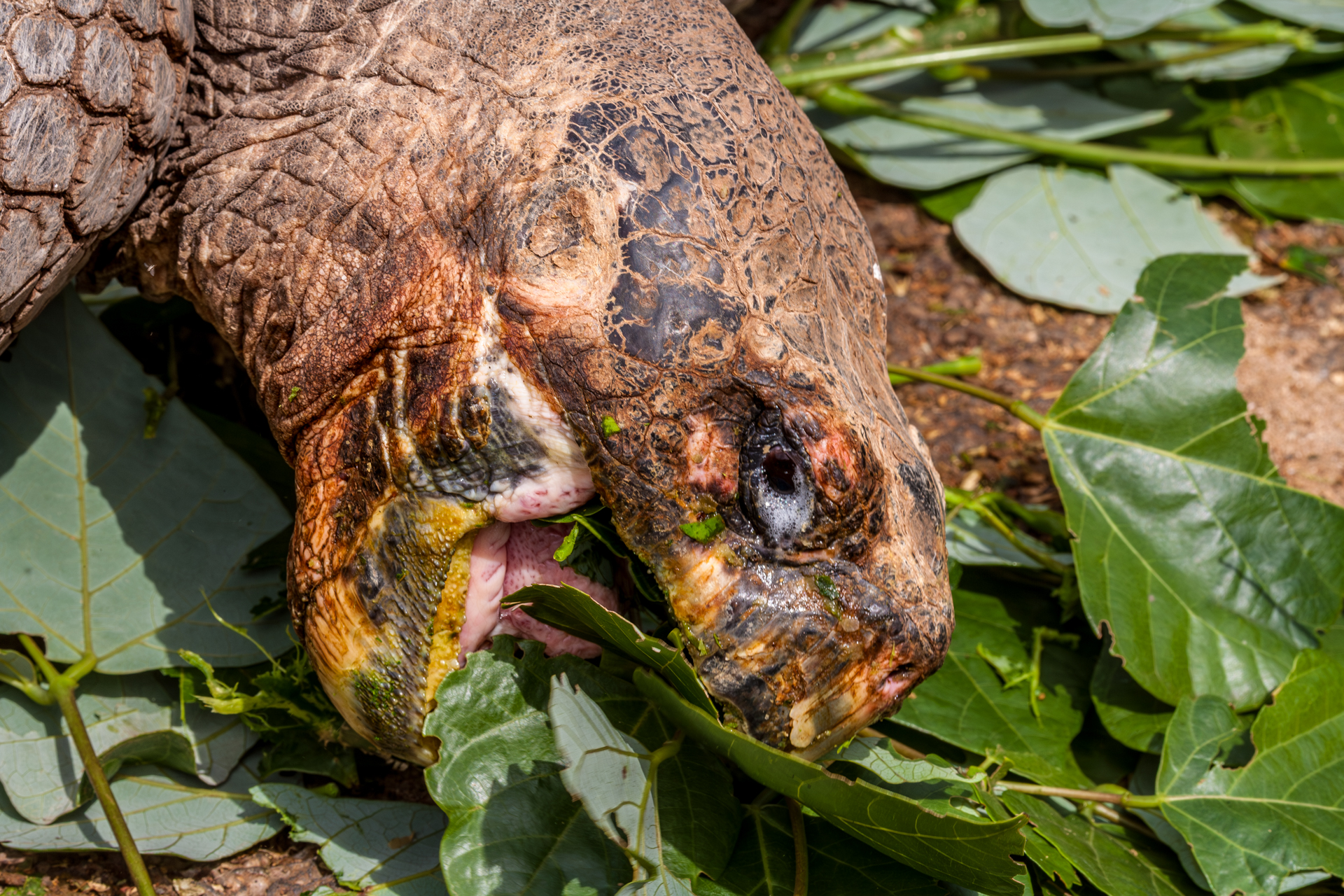
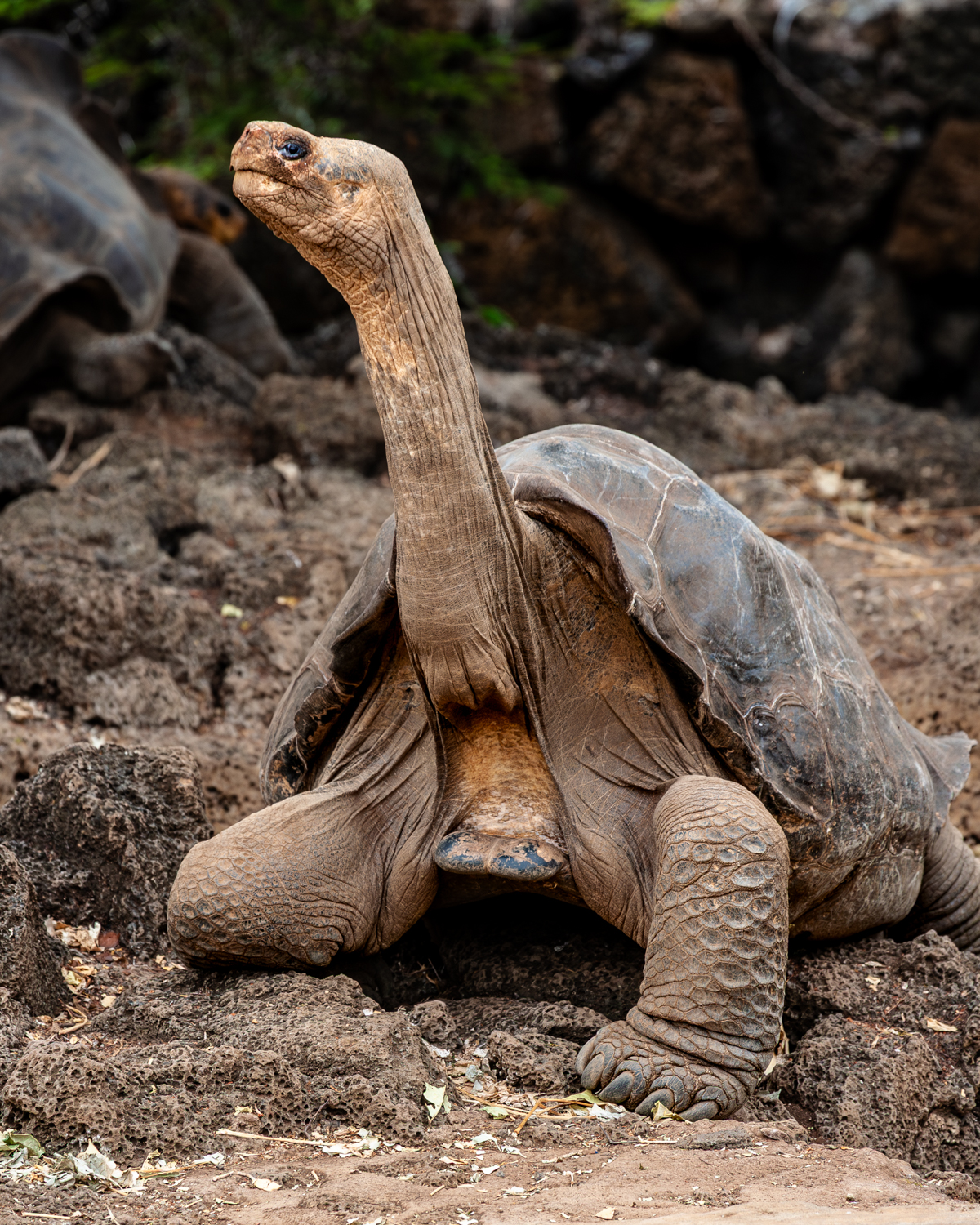
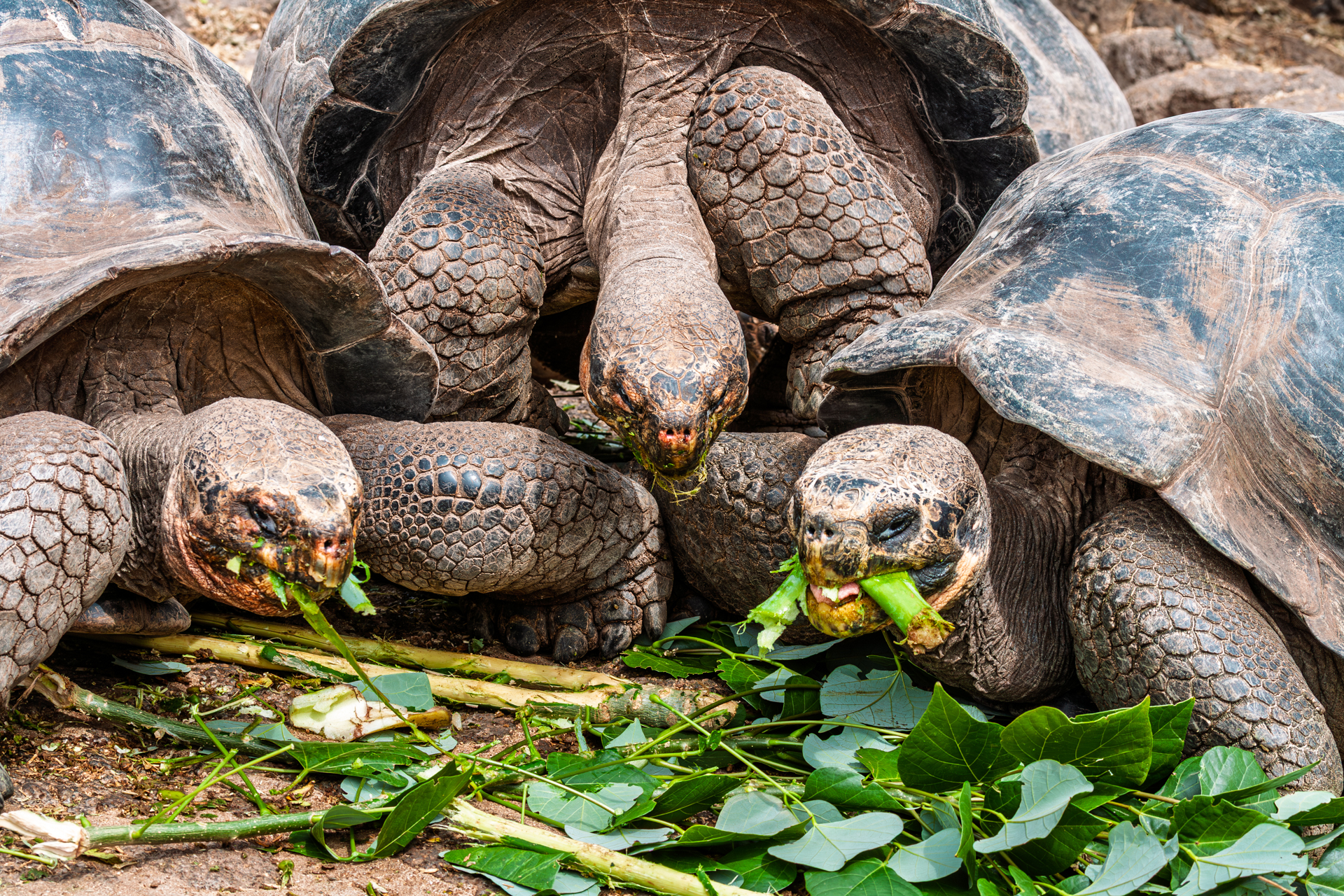
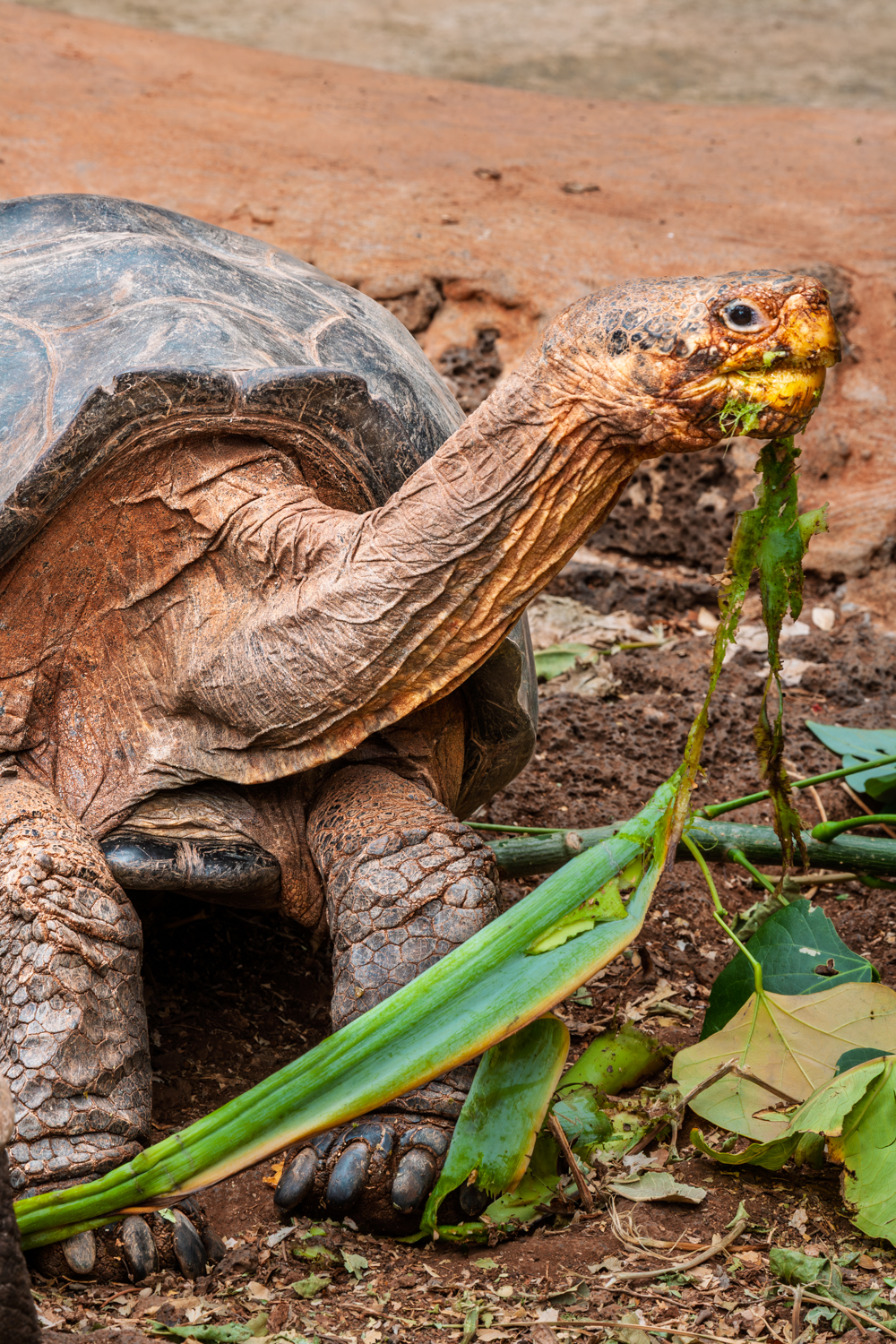
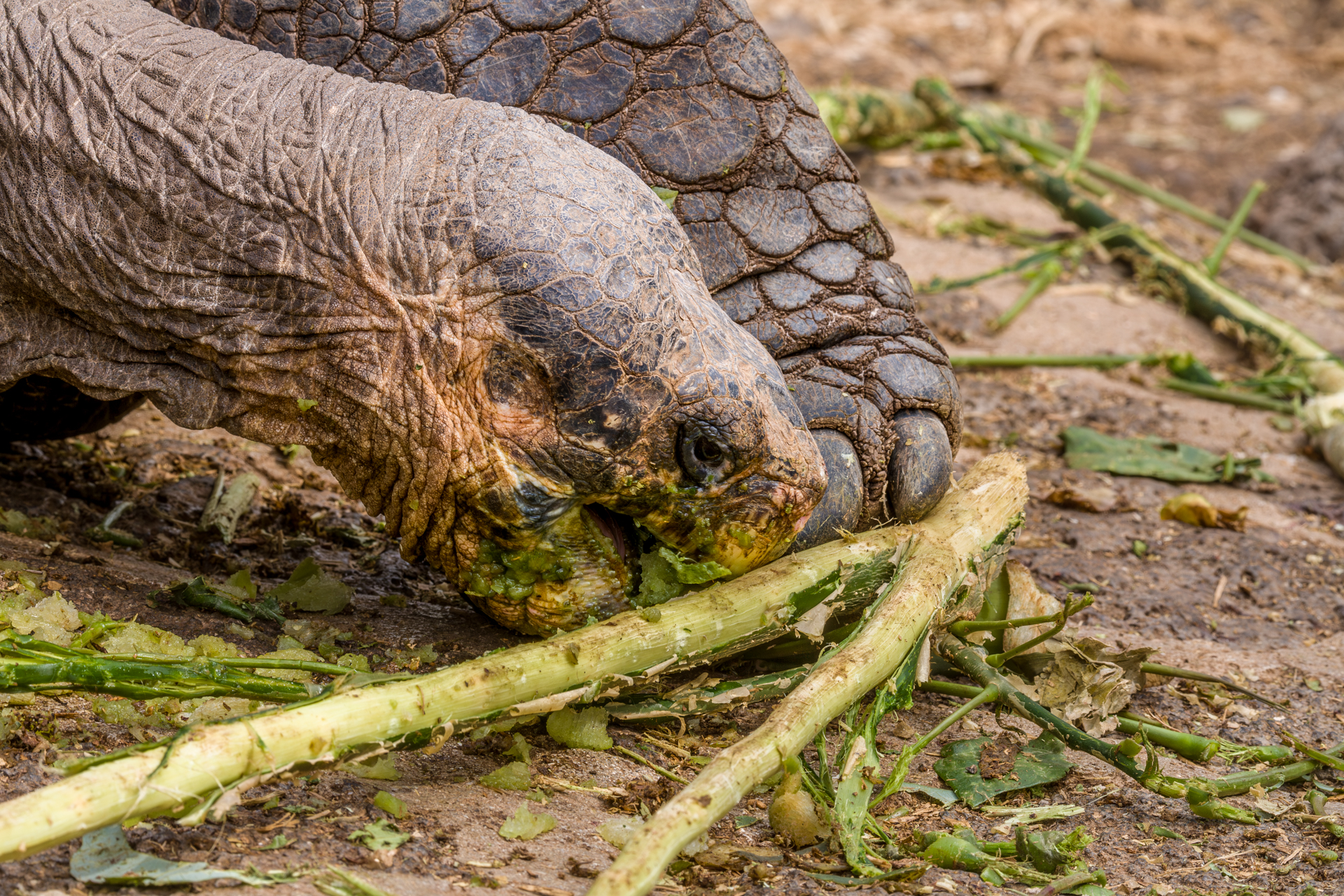
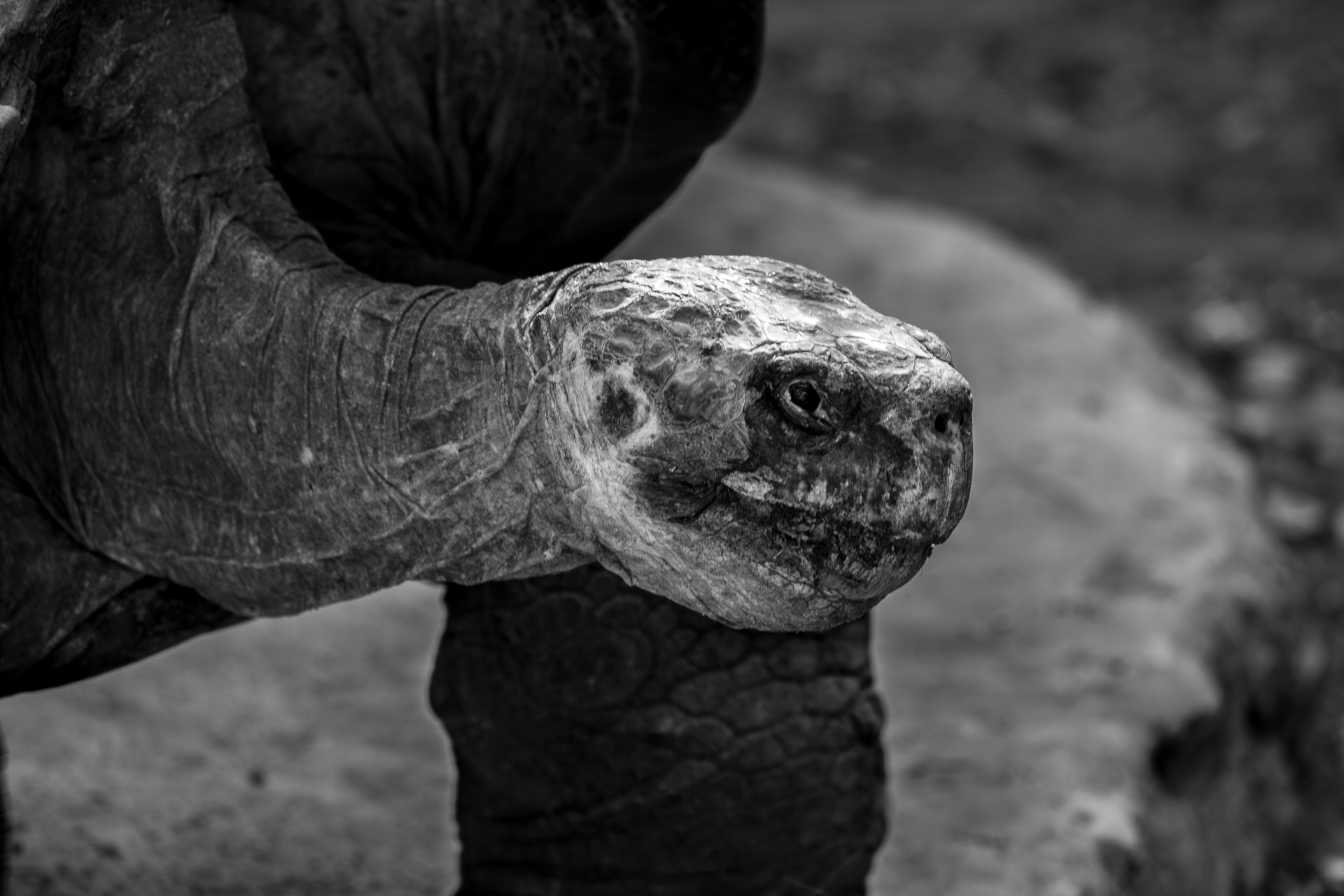
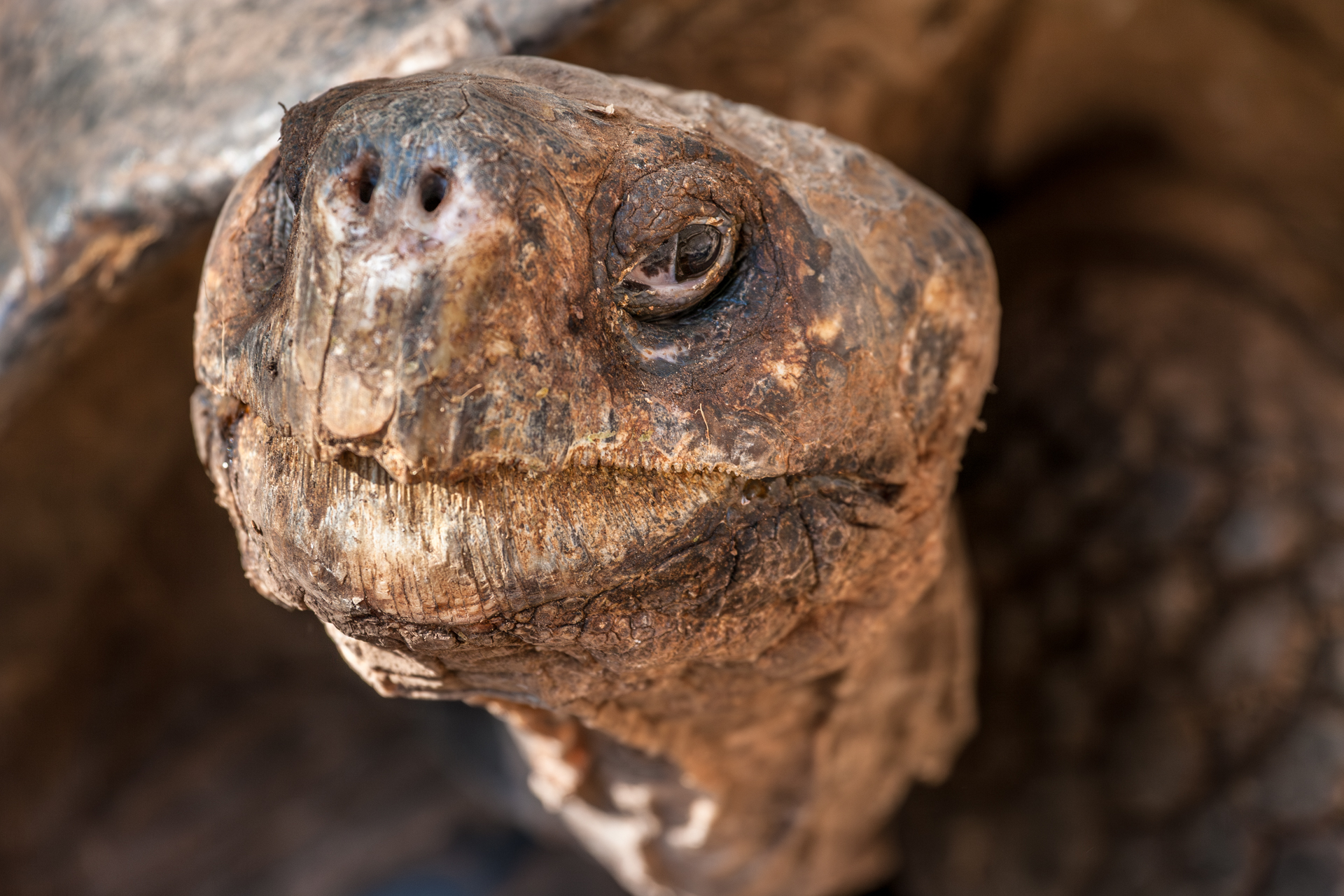
One of the most unforgettable creatures then and now are the giant tortoises. They really do move slow, just like in all the stories and some are well over a hundred years old. Watching one moving slowly across the grass felt like watching time itself. Their wrinkled necks stretch out to sniff the air, and when they chew a cactus pad or some leaves, it’s with the slow confidence of an animal that knows it has nowhere to be. Photographing them was about patience. You don’t rush a tortoise ever.
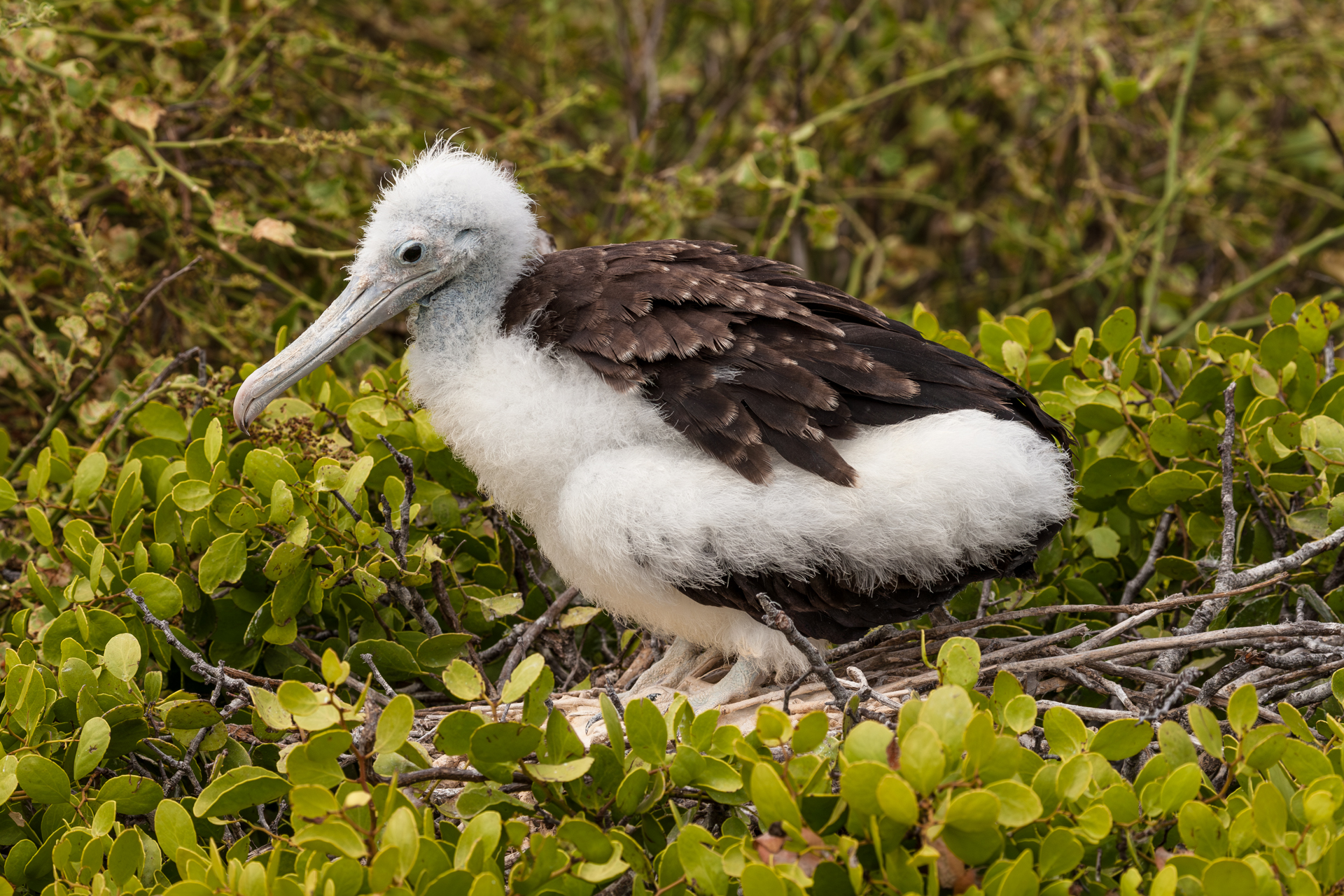
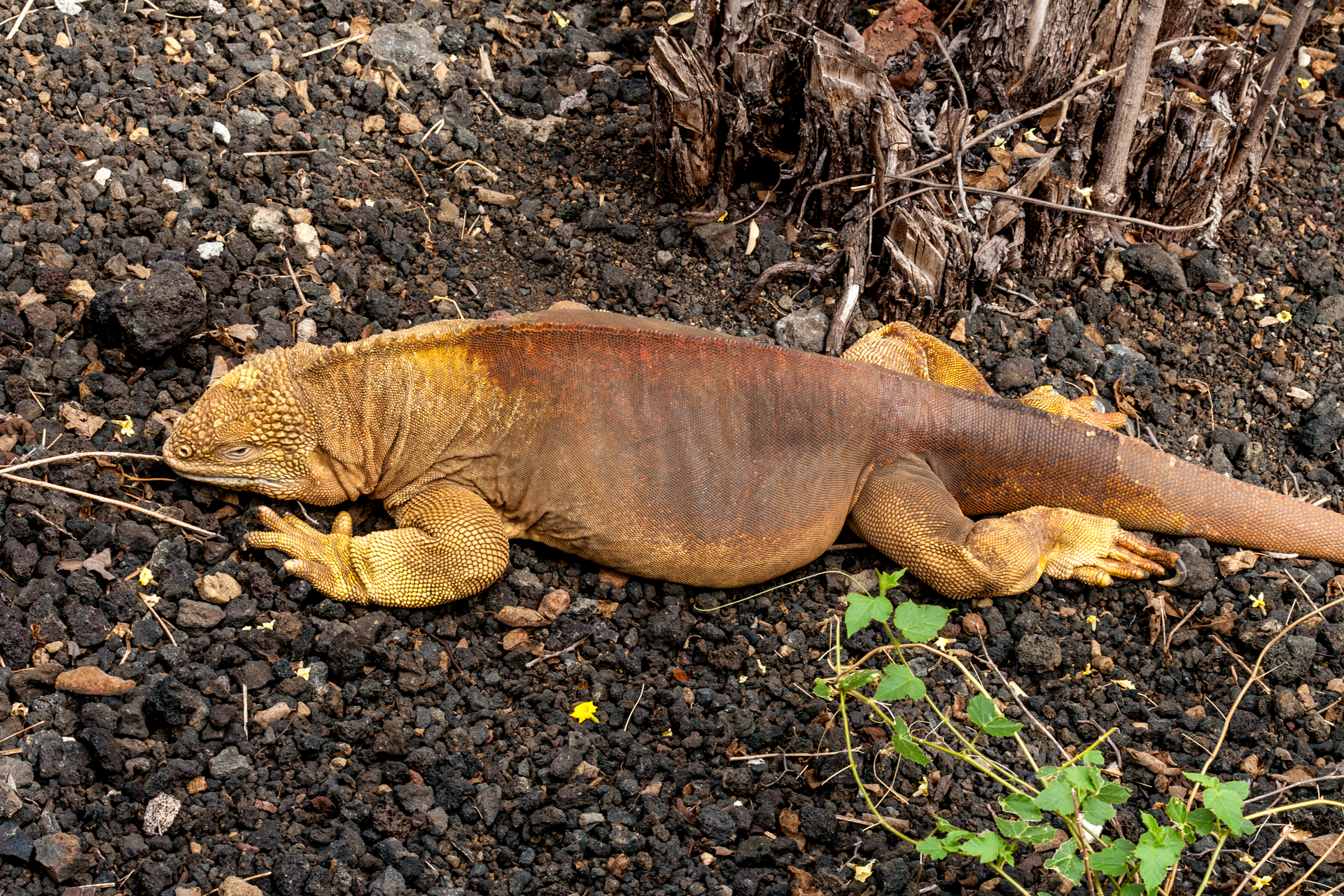
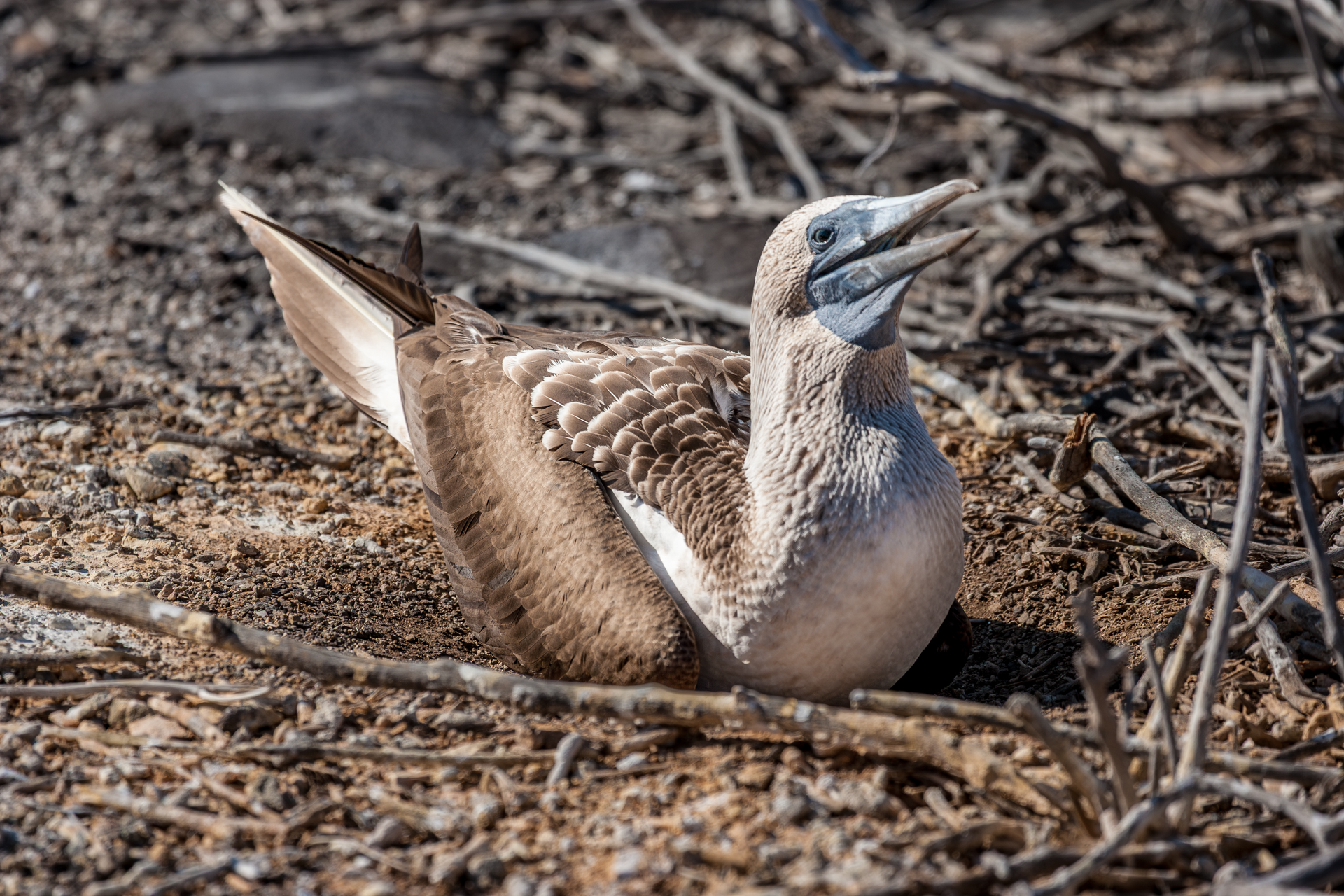
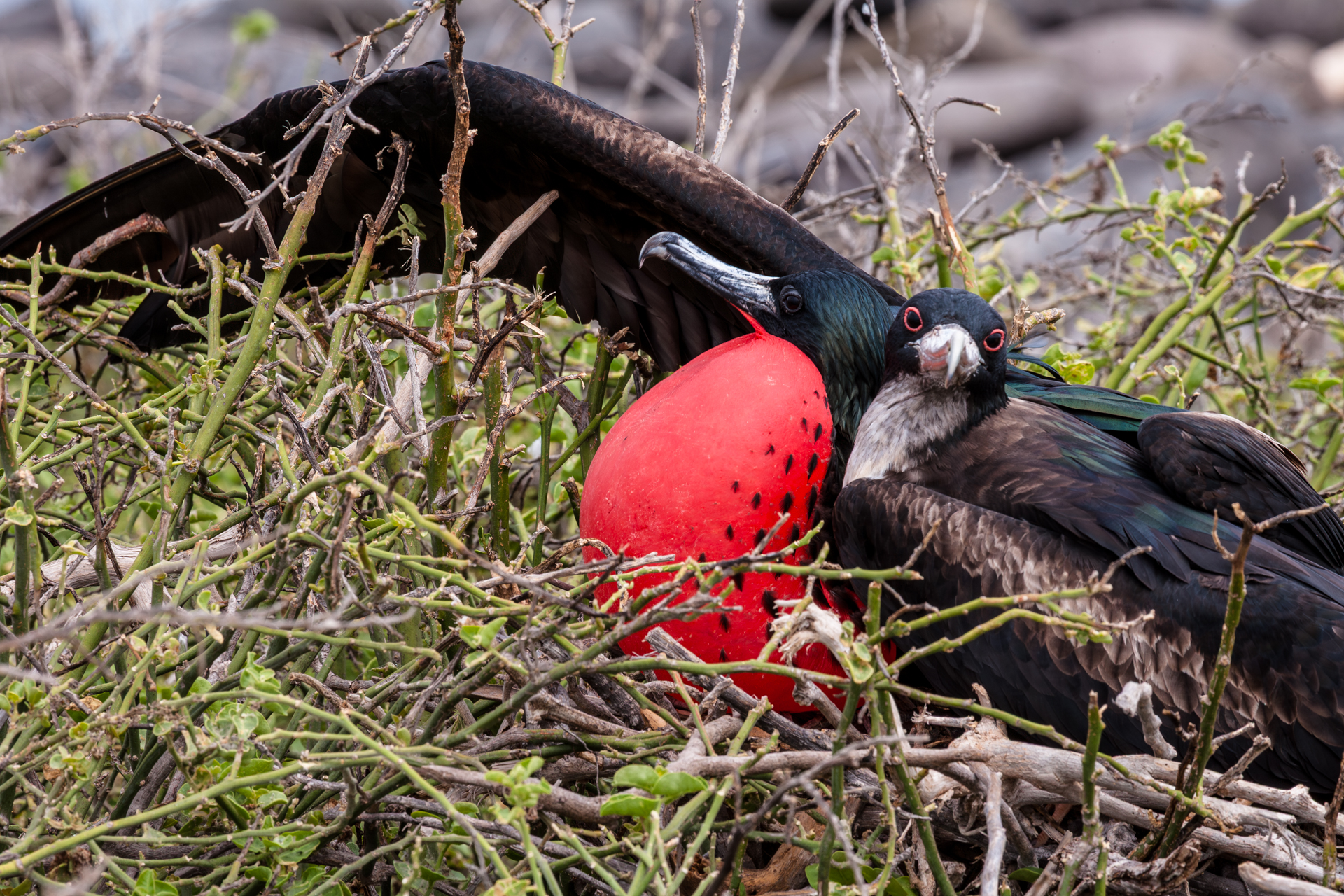
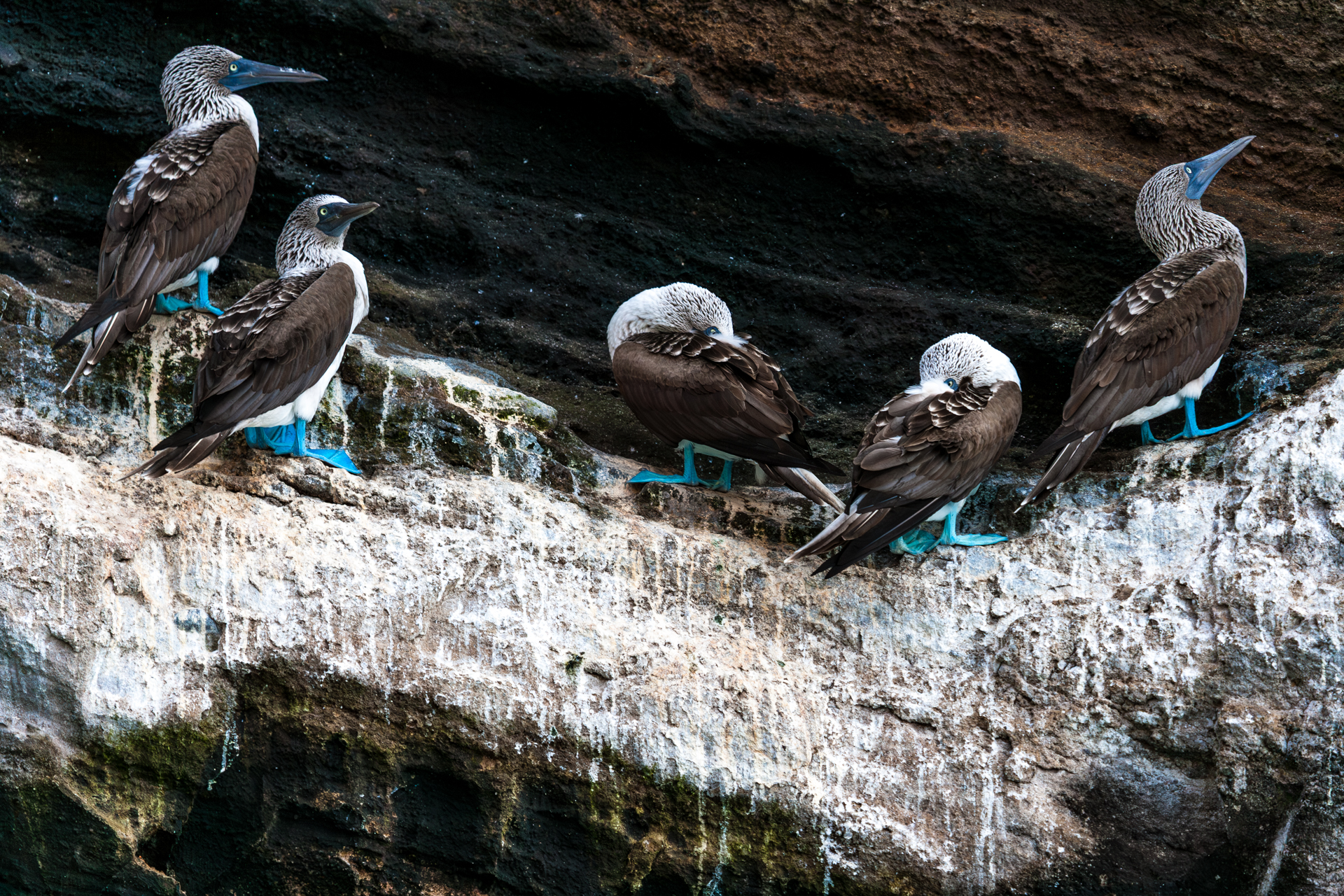
But as much as the tortoises command a certain awe, it was the marine iguanas, blue-footed boobies, and frigatebirds that made me smile the most.
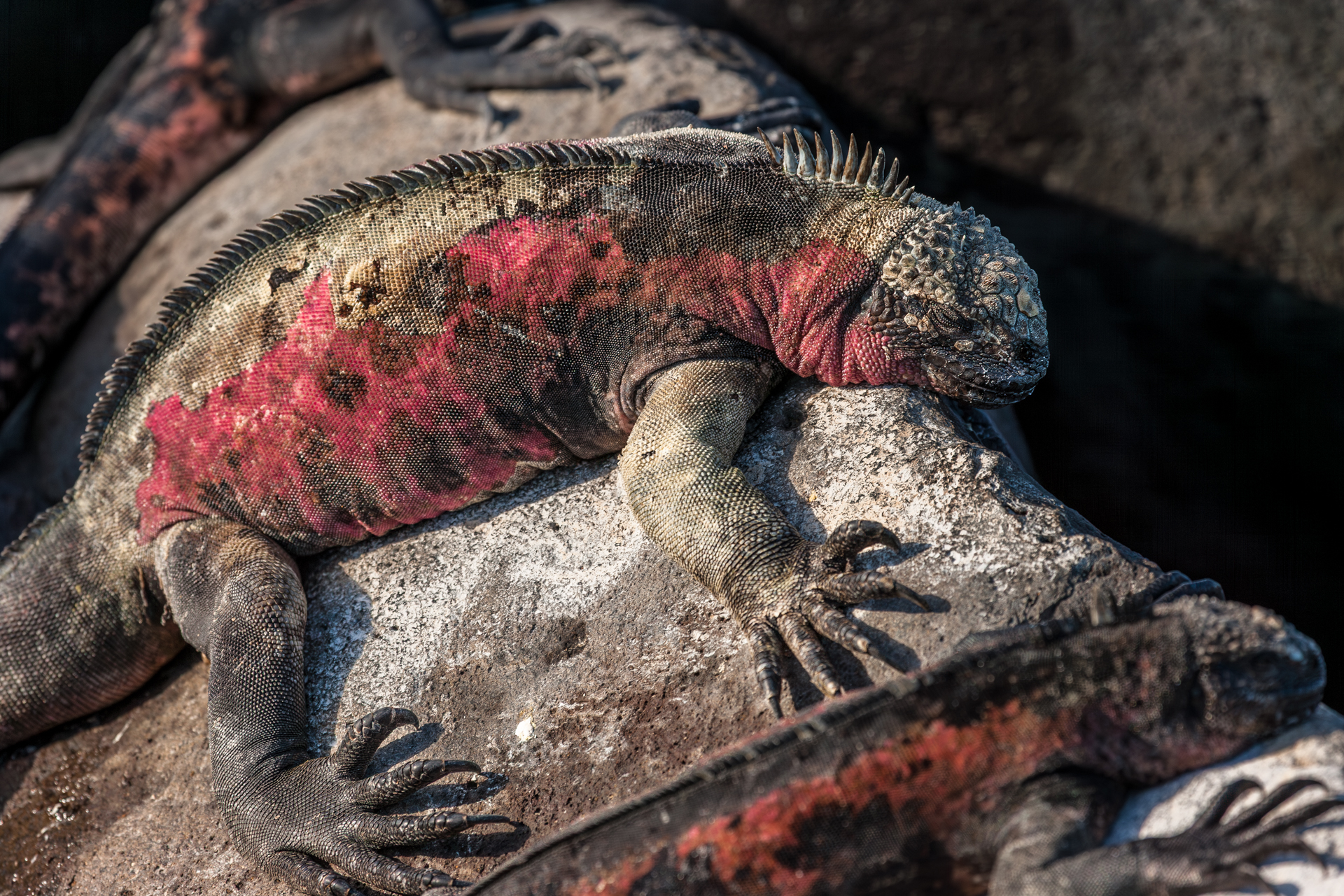
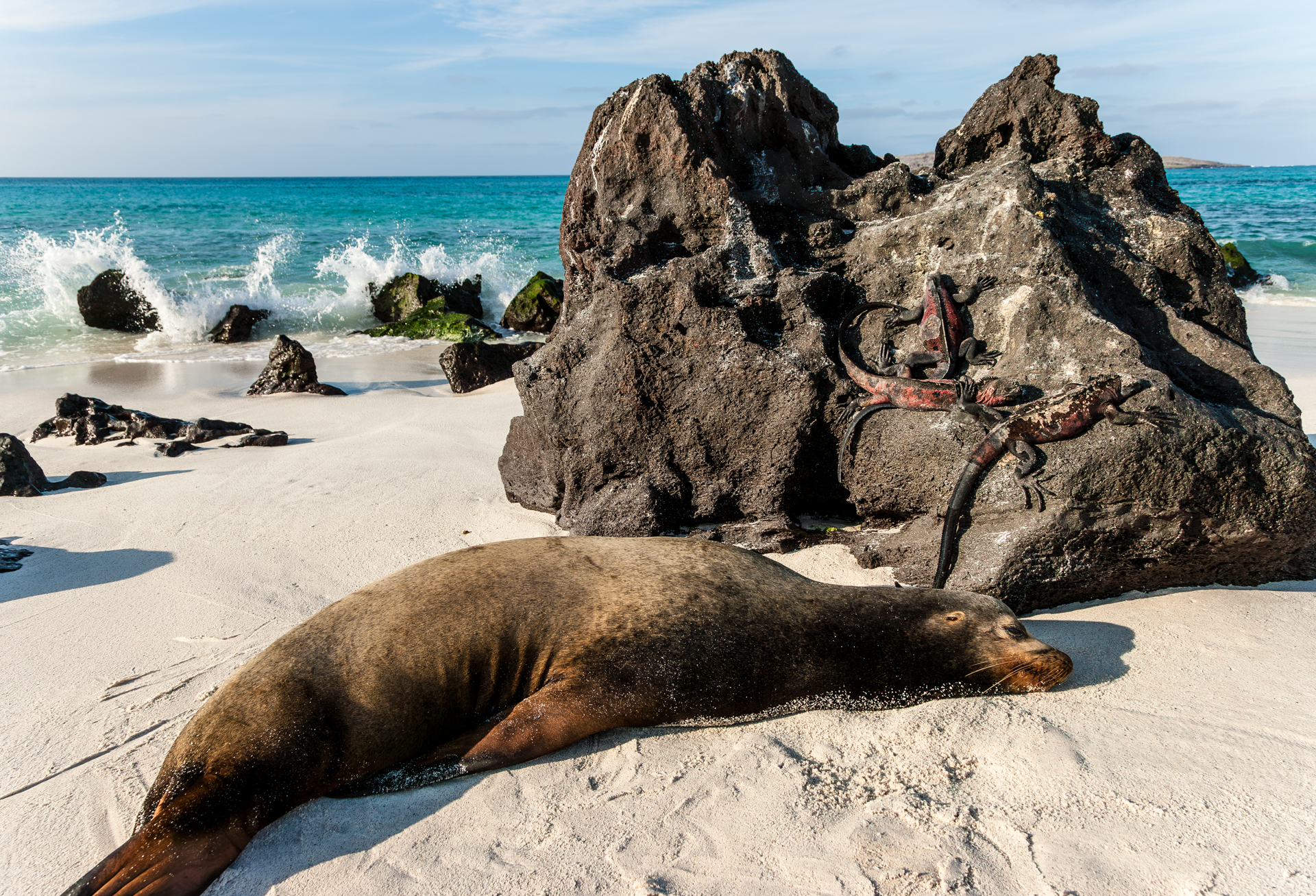
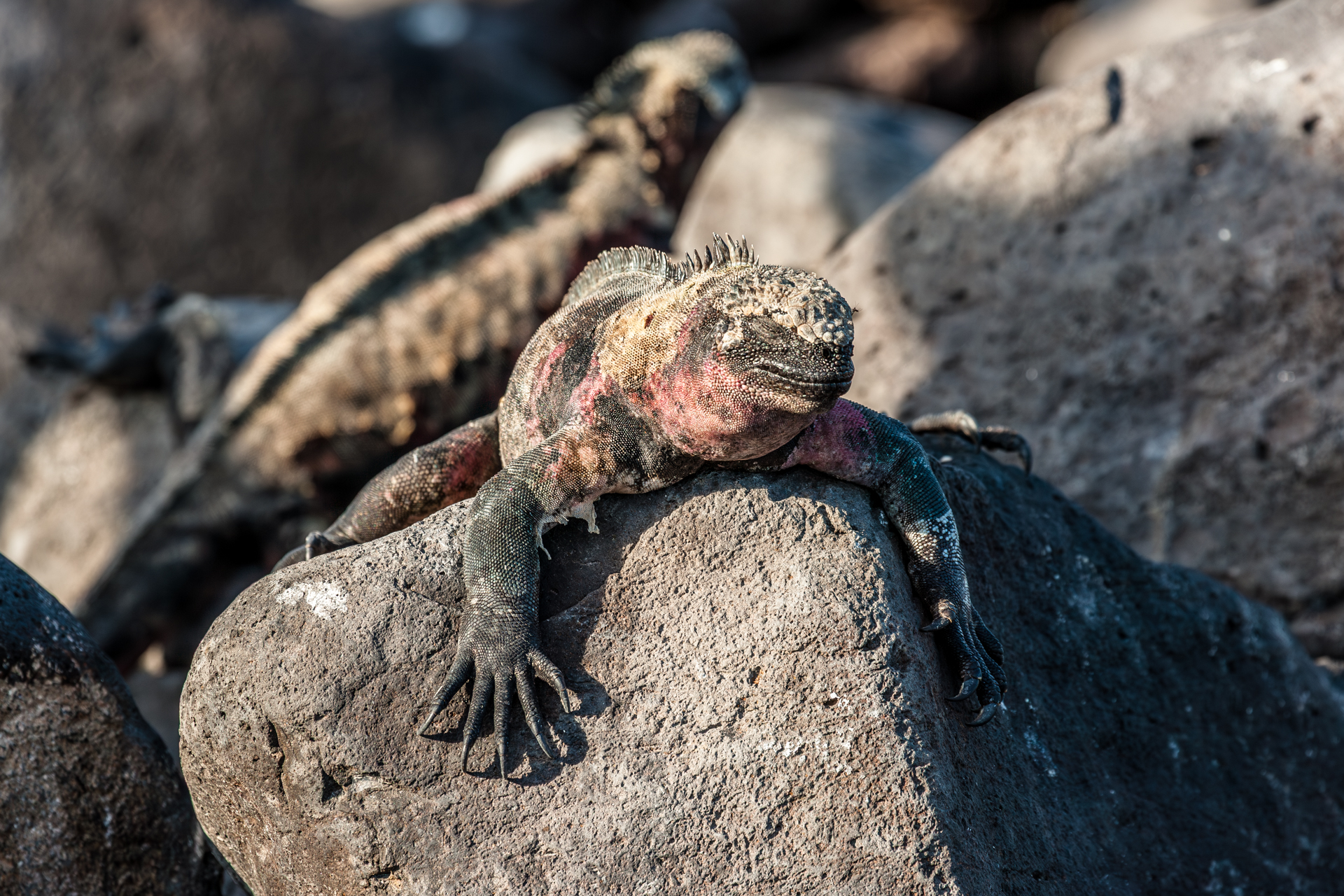
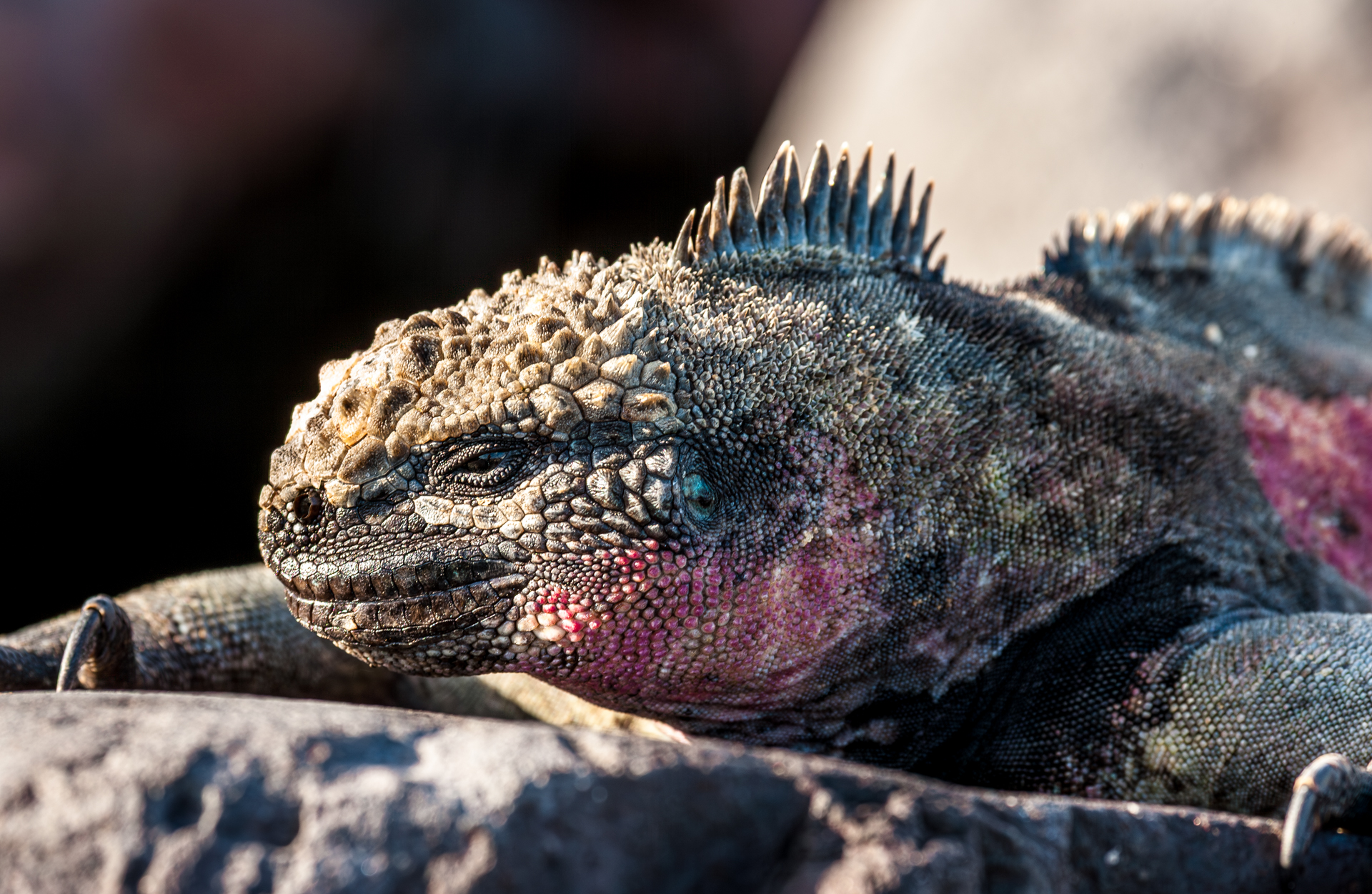
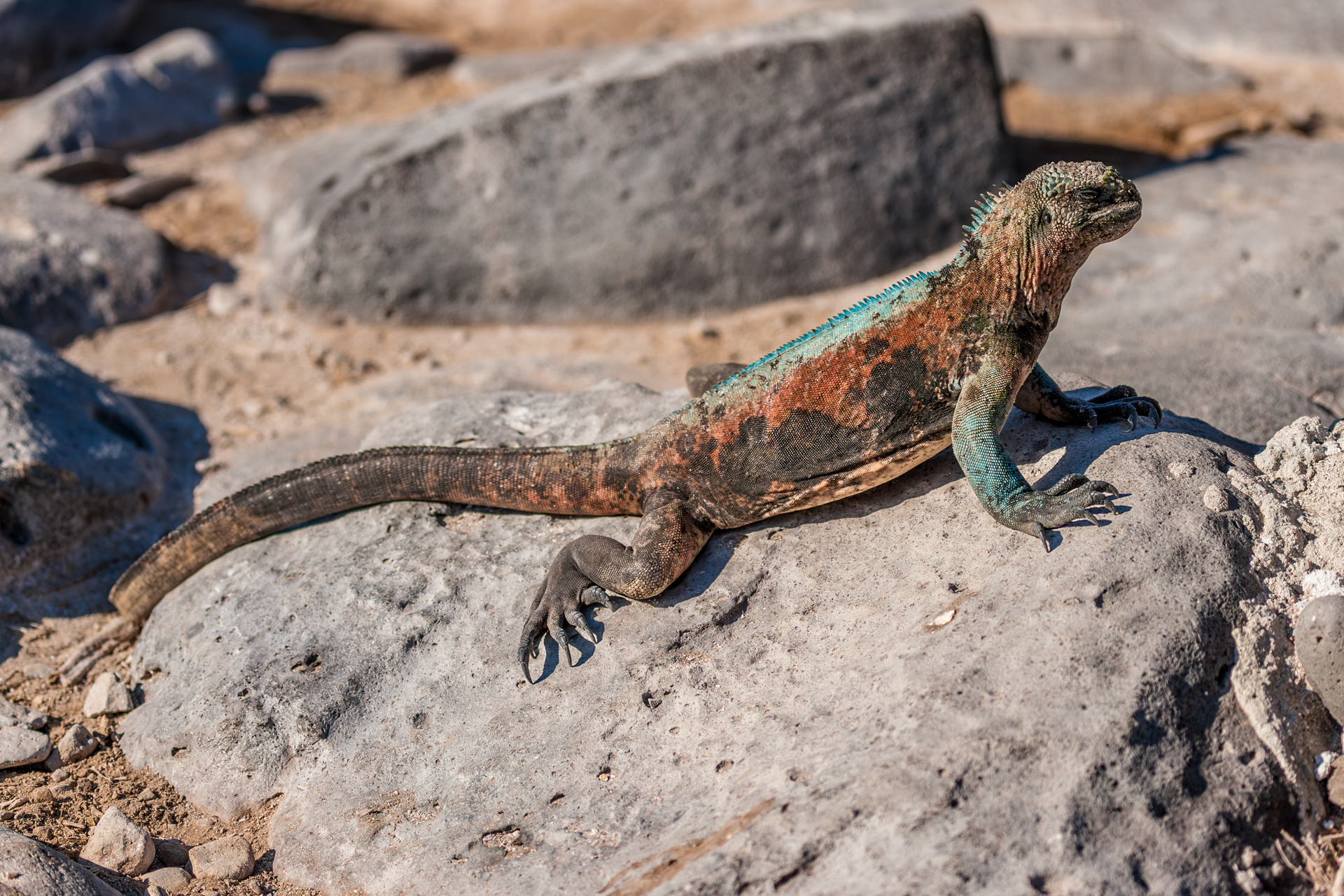
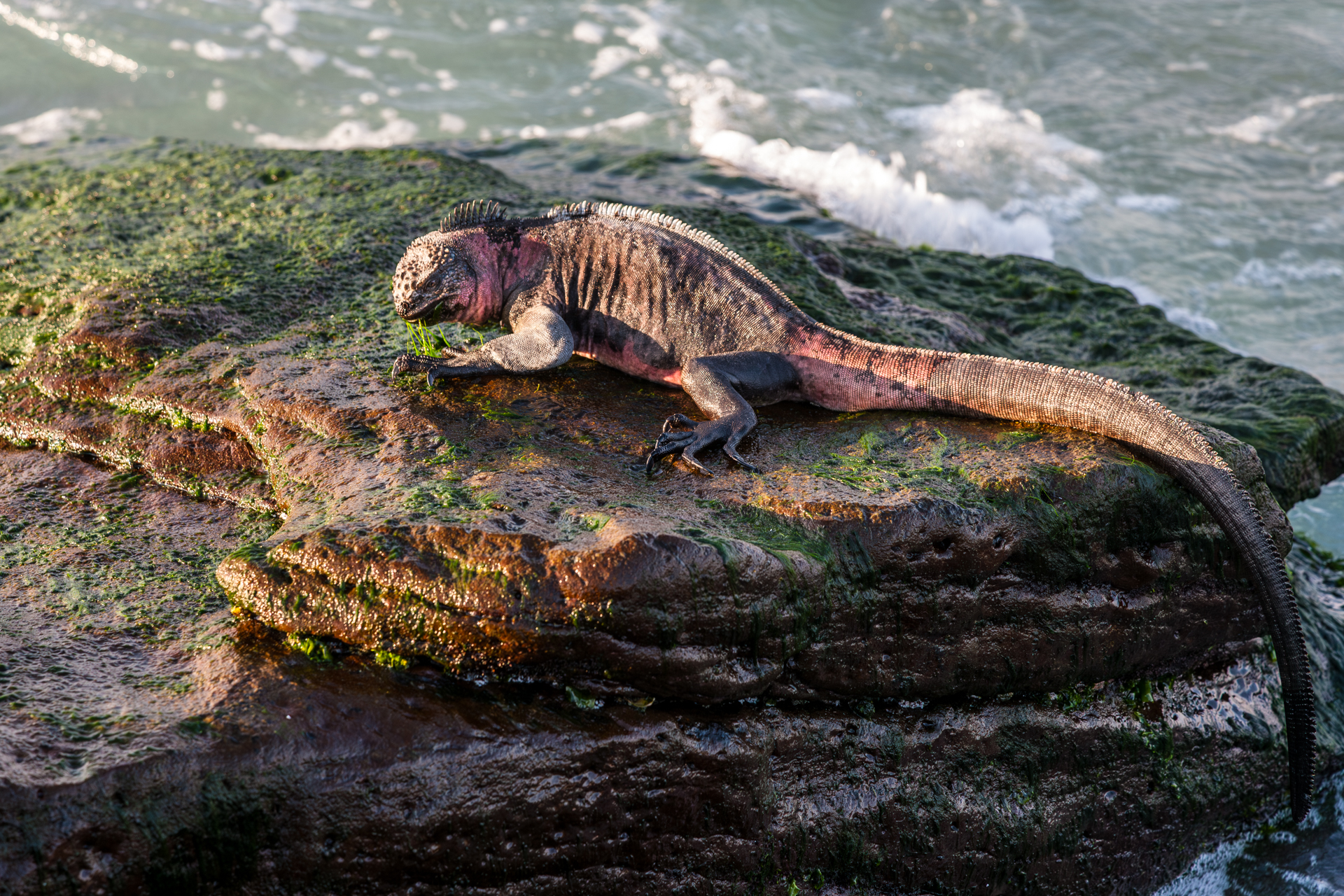
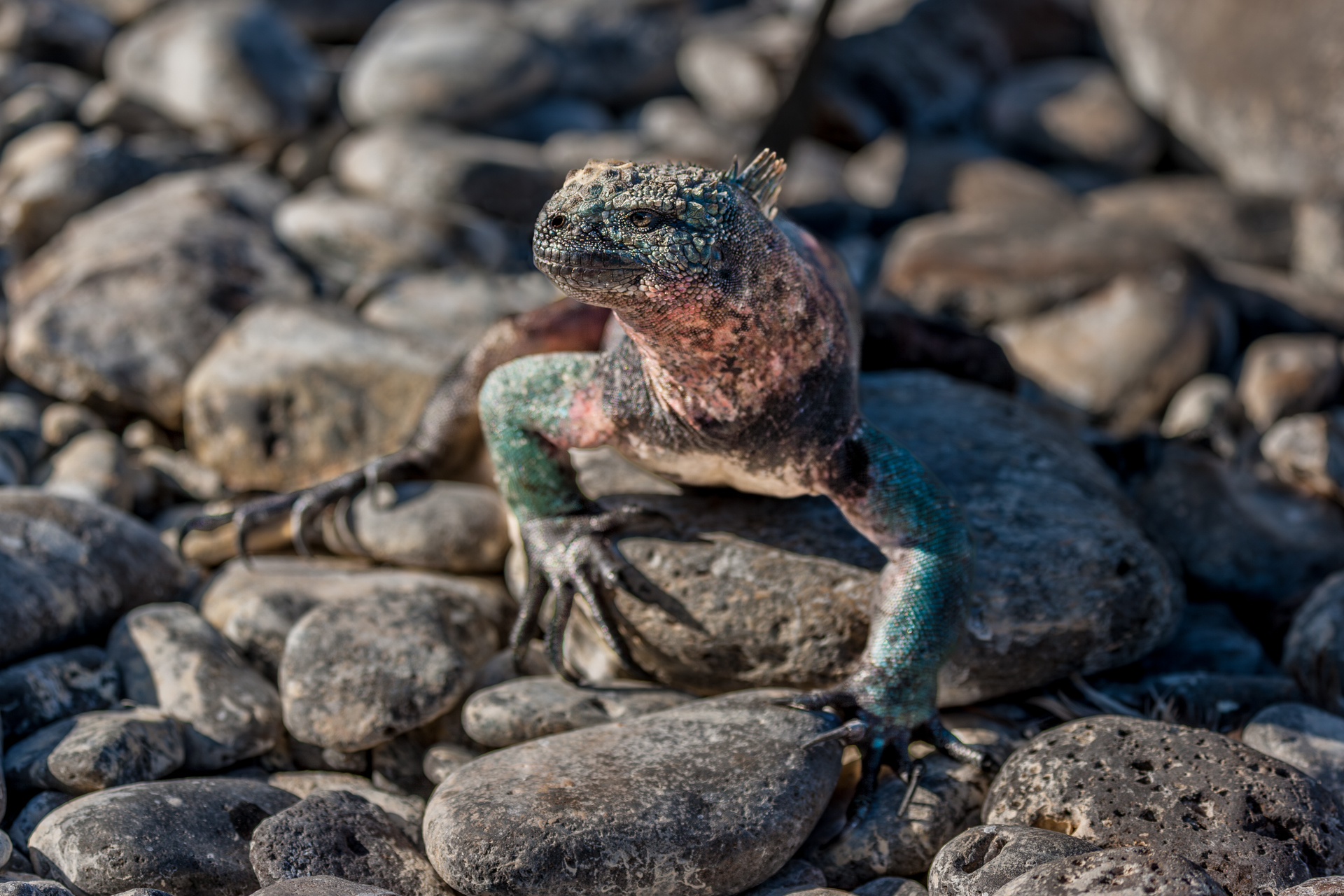
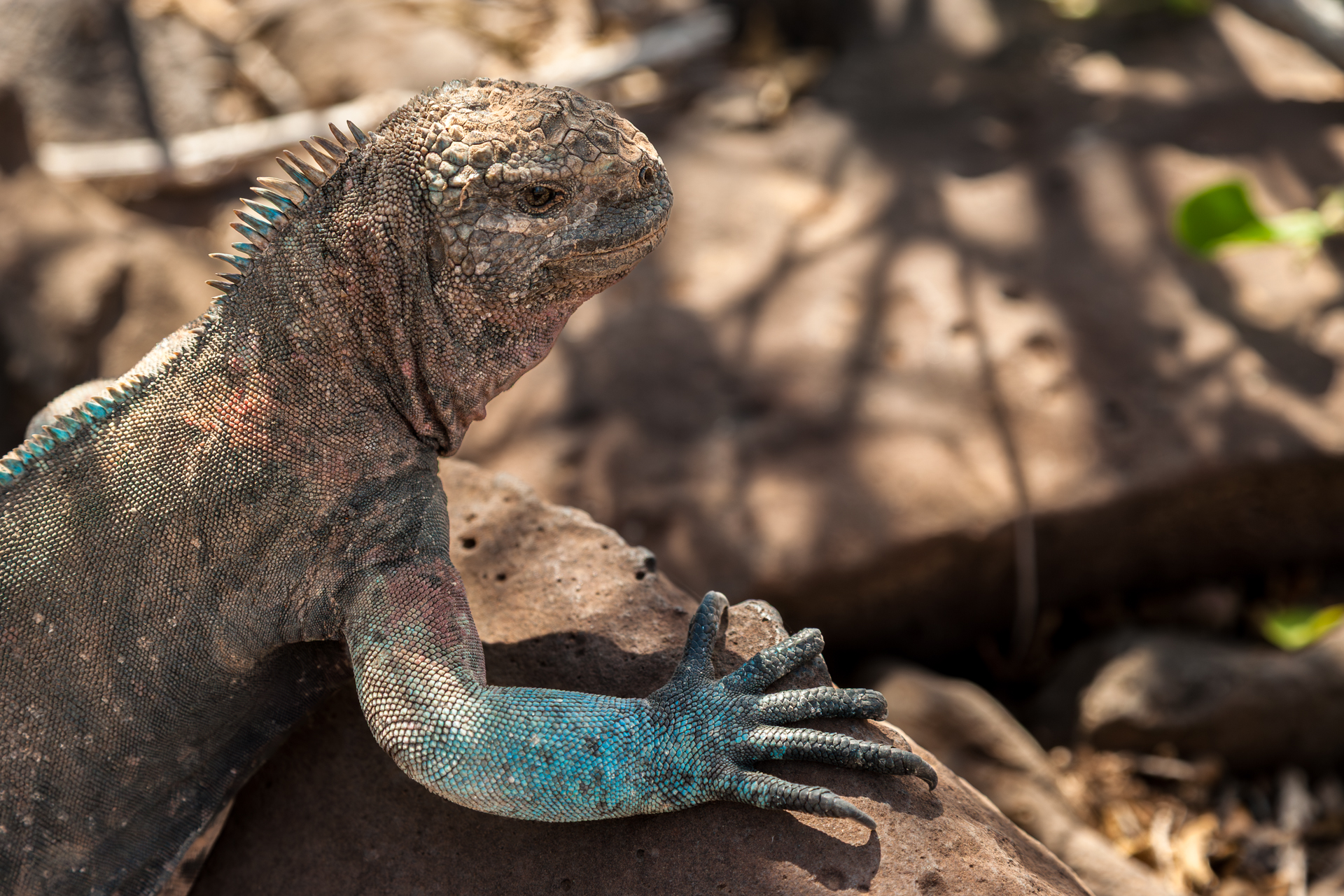
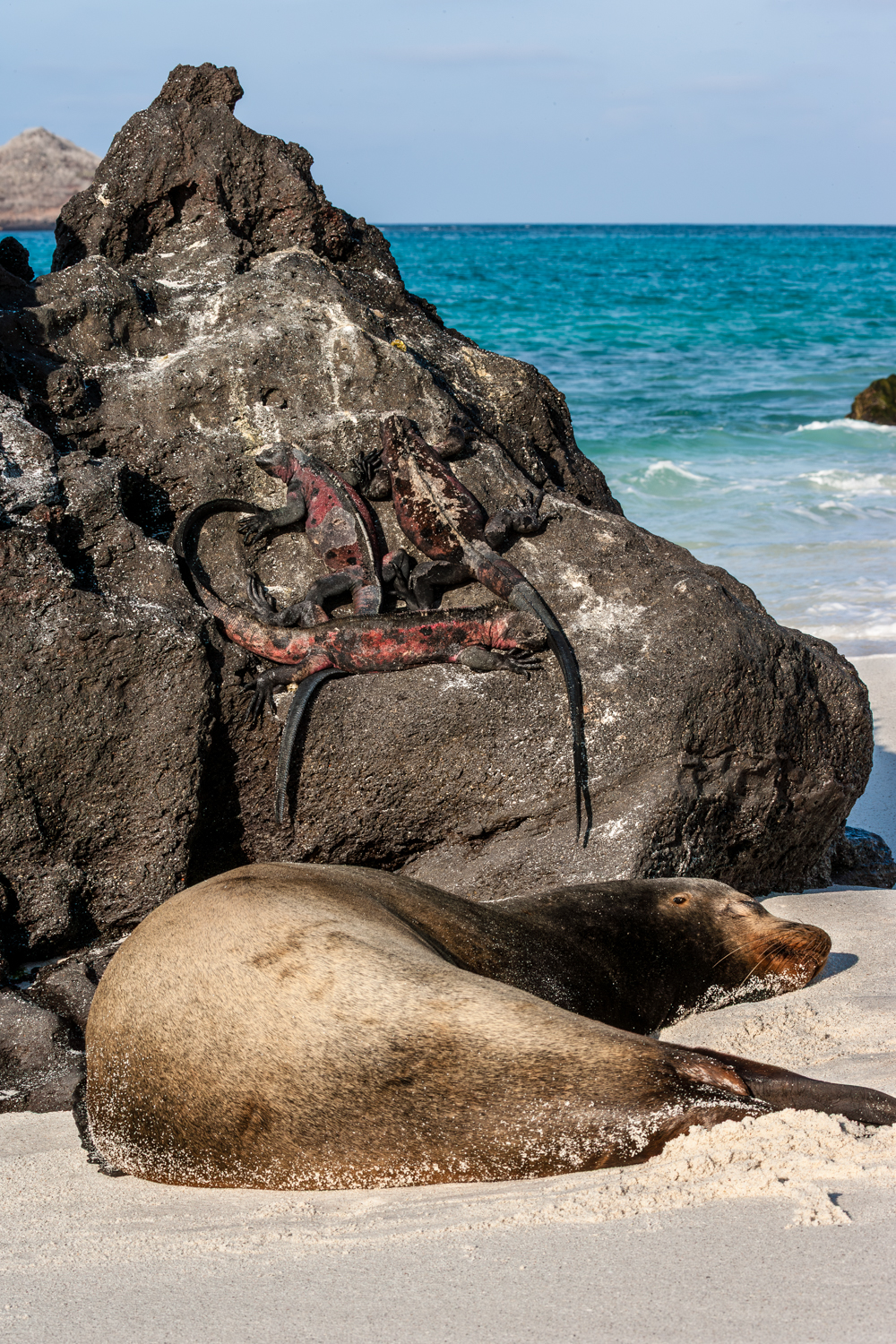
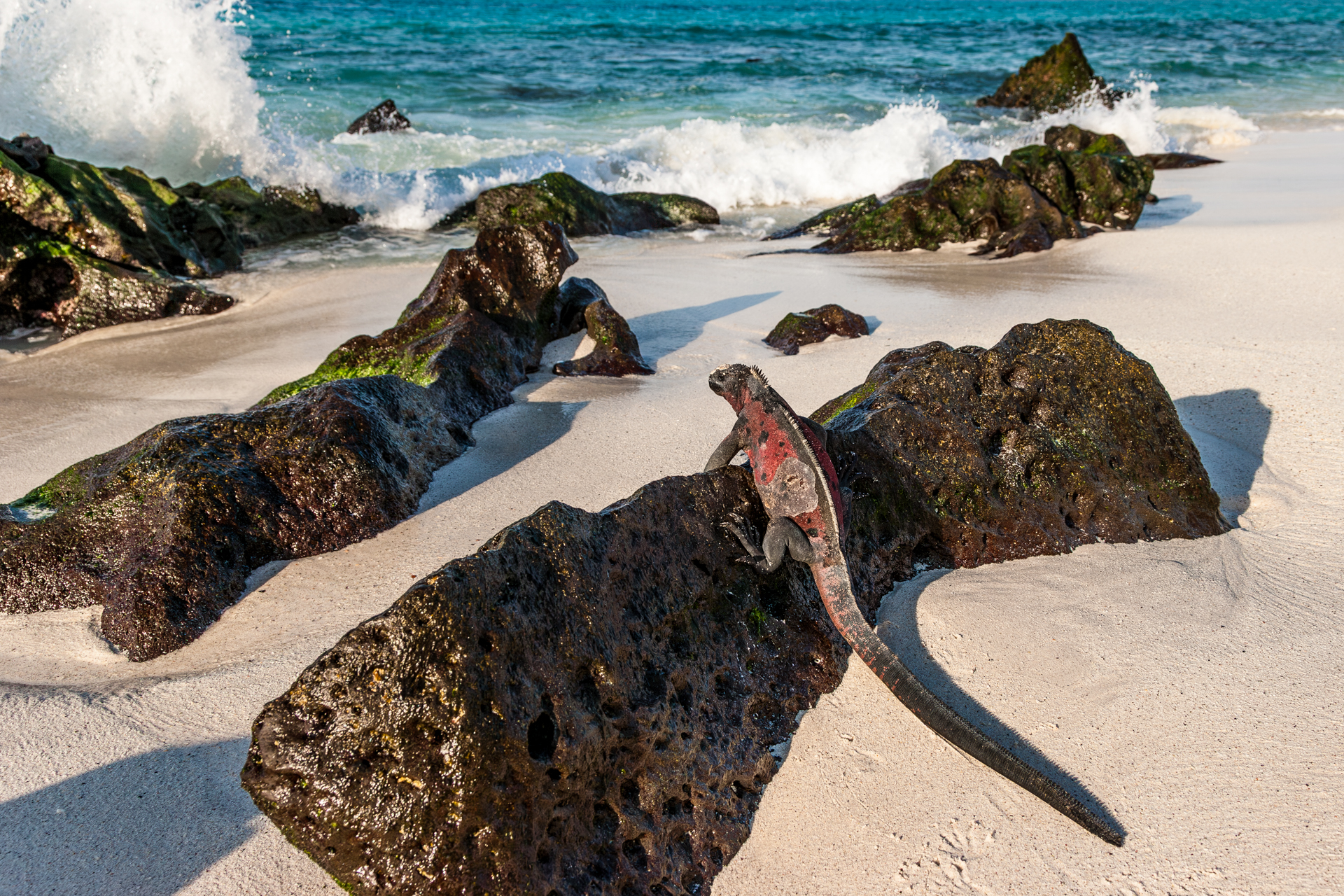
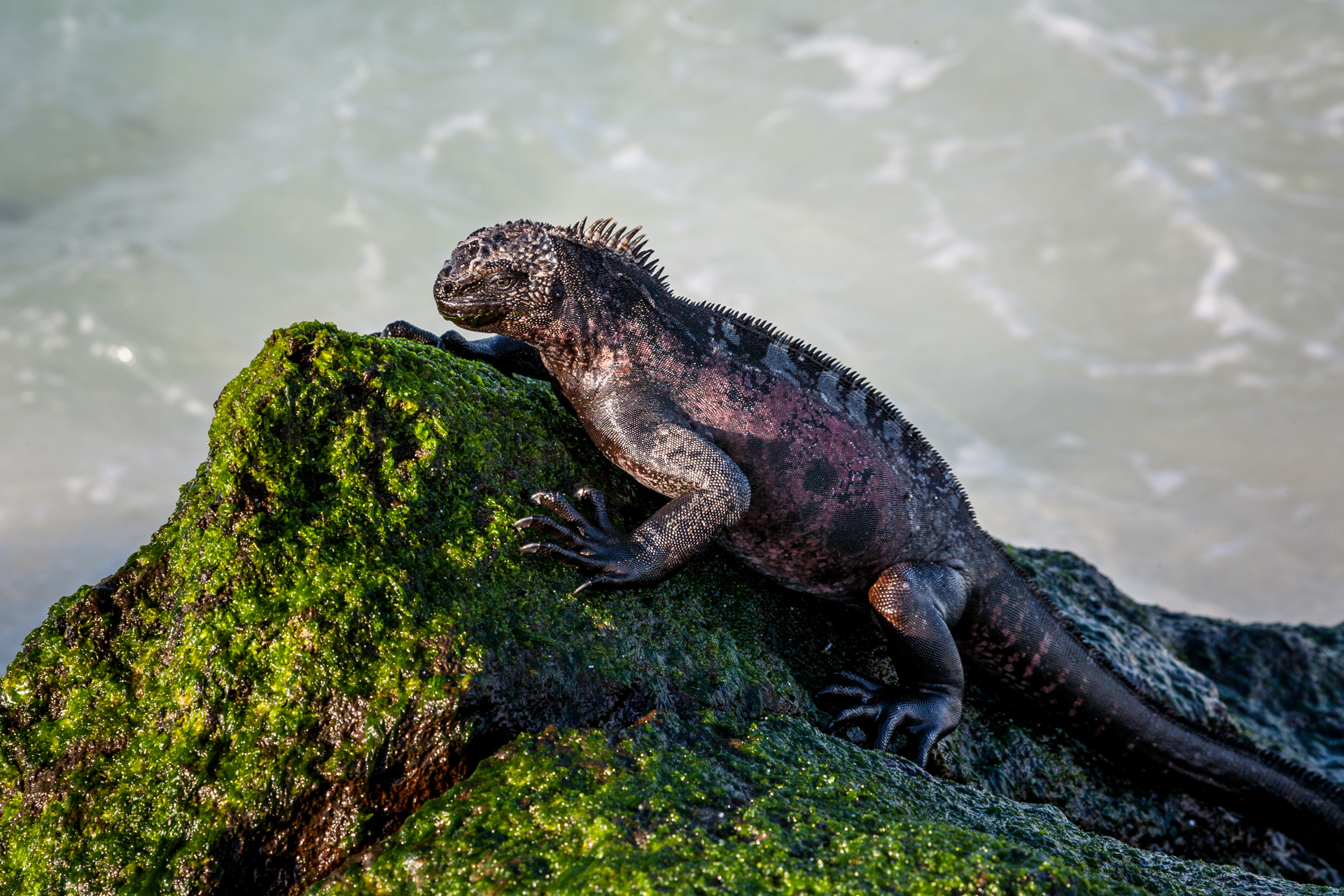
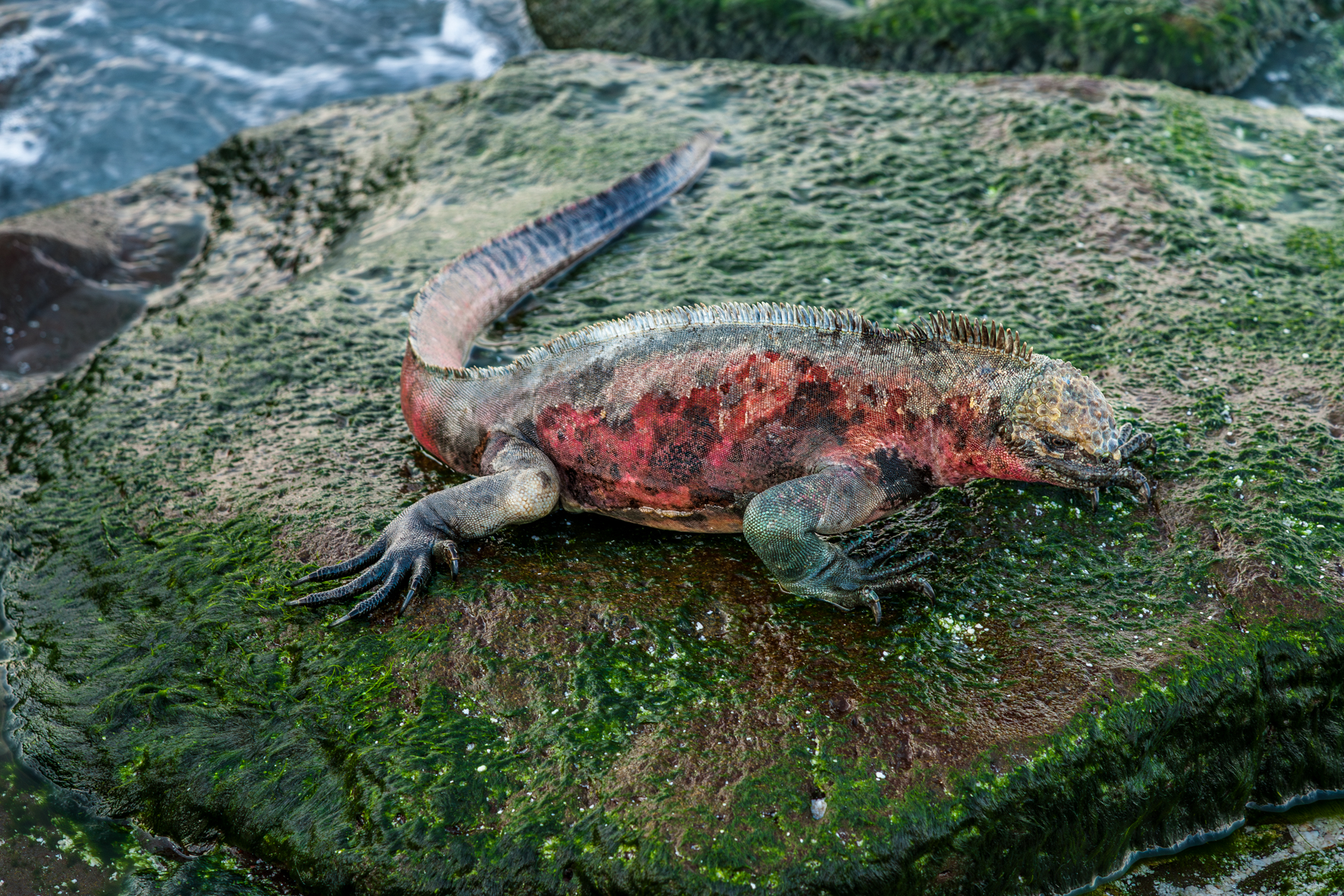
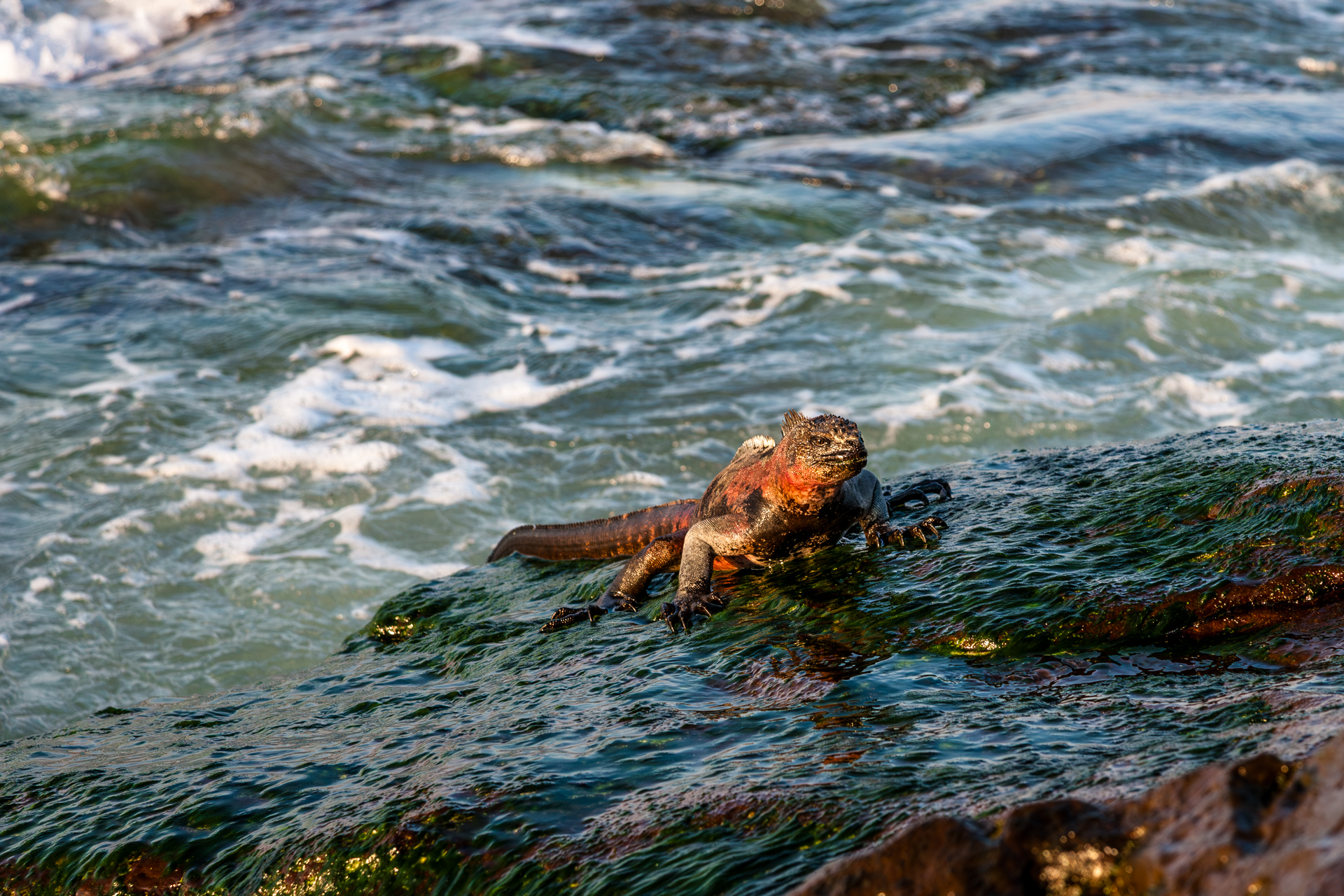
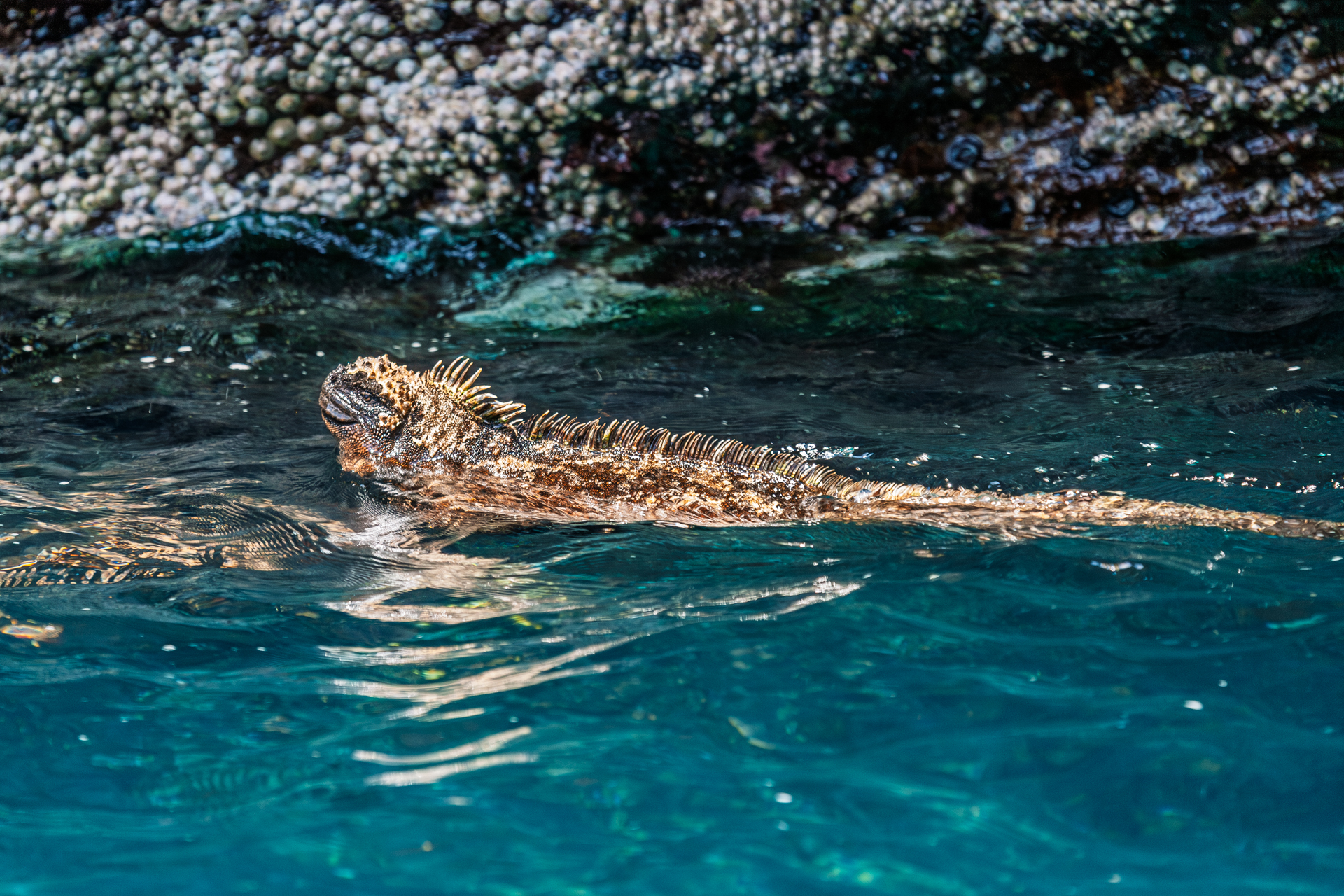
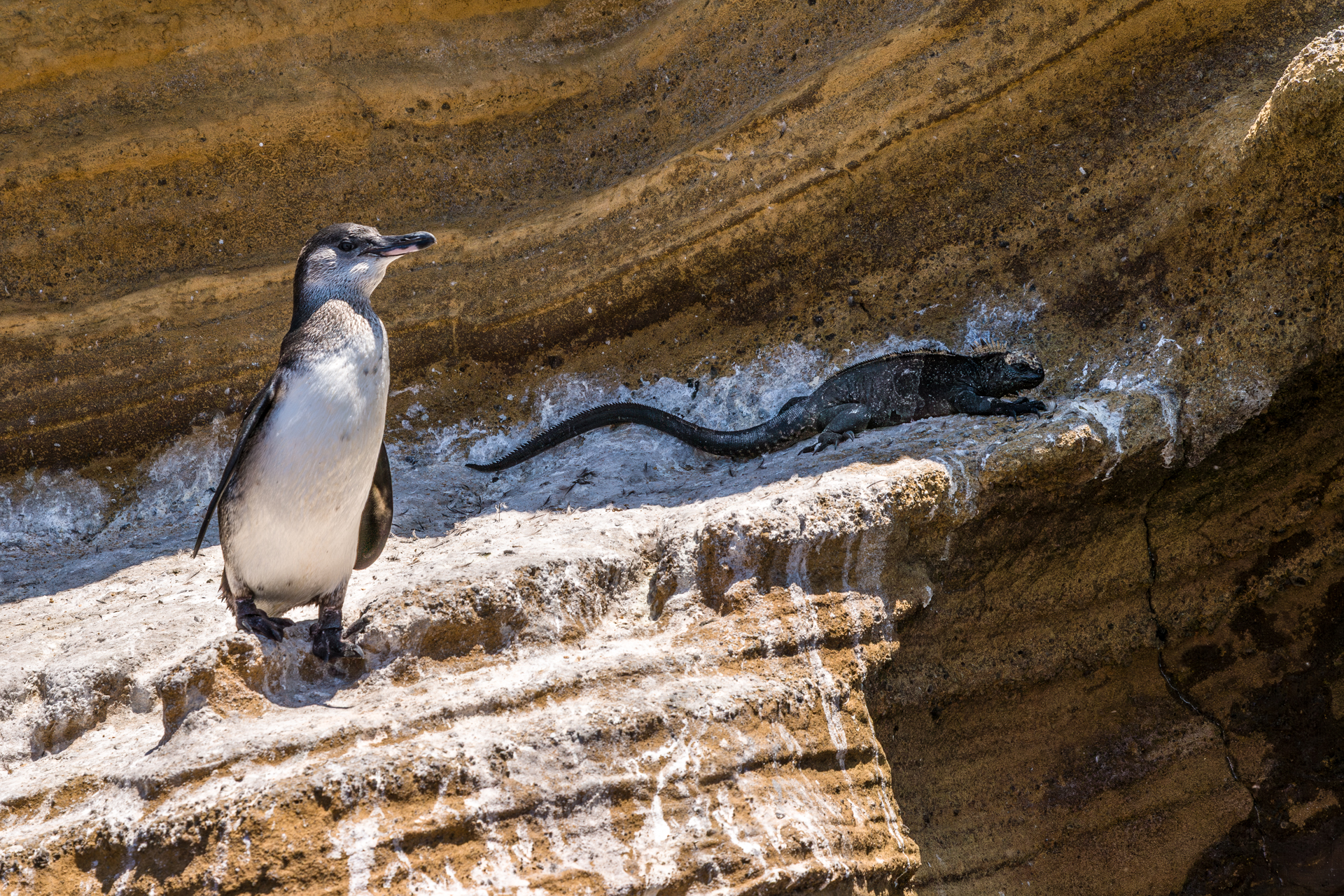
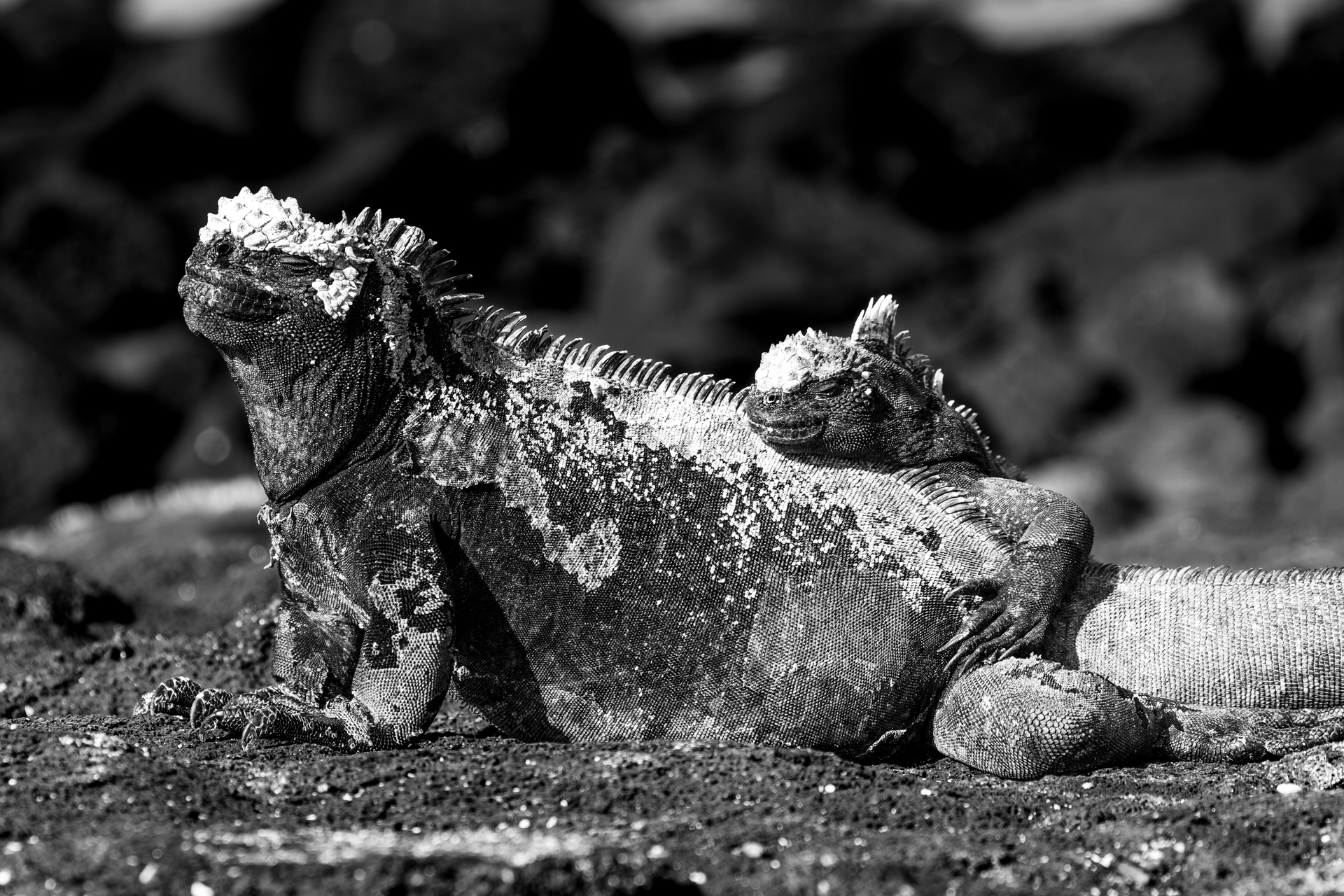
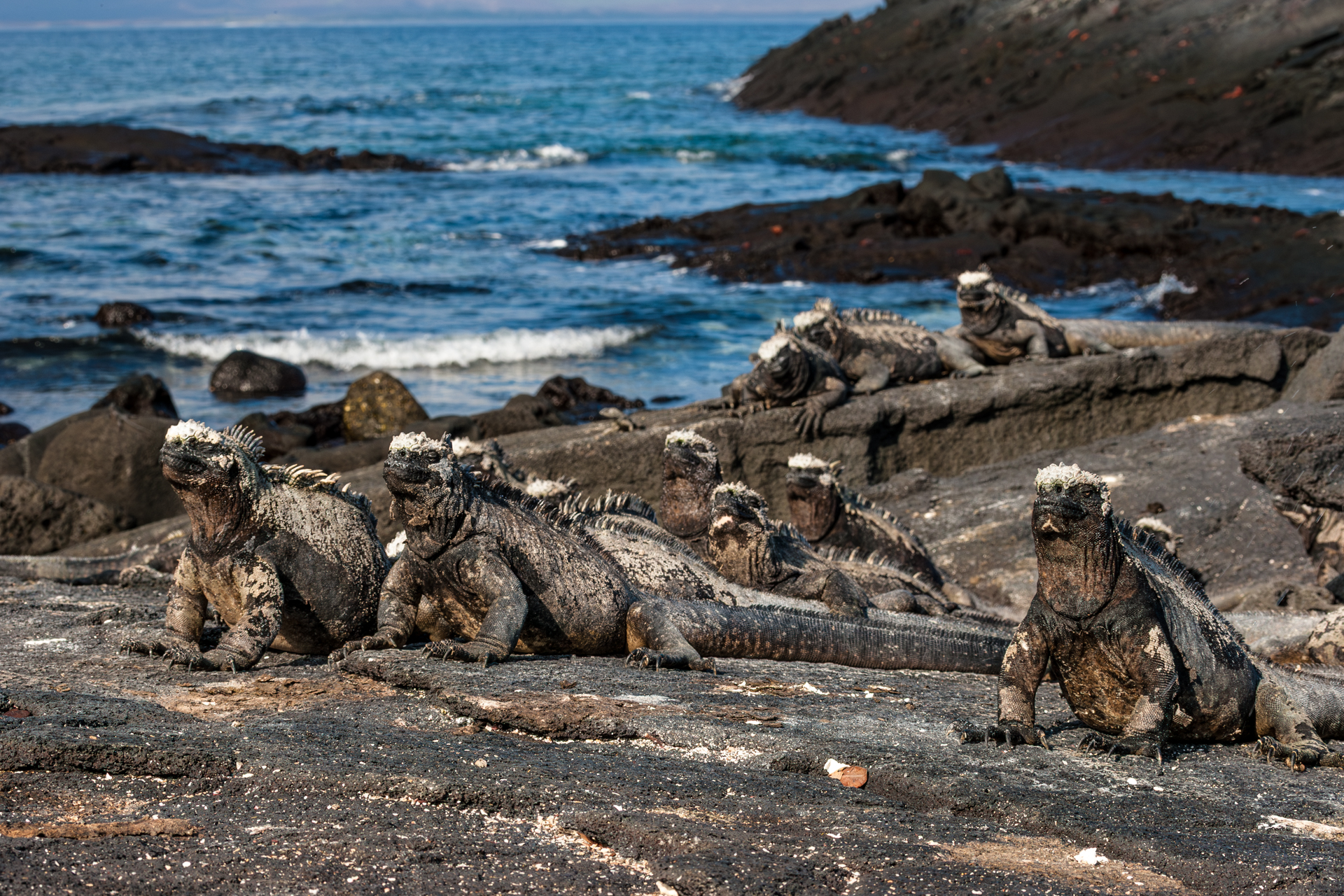
The marine iguanas those ancient-looking reptiles pile on top of each other on black lava rocks like some kind of scaly, sun-loving commune. They sneeze out salt, blink lazily in the heat, and look like they couldn’t be bothered by anything. But get them in the water and suddenly they’re elegant swimmers, tails flicking, bodies sleek. I caught a few shots of them slipping into the surf, and those might be some of my favorite images.
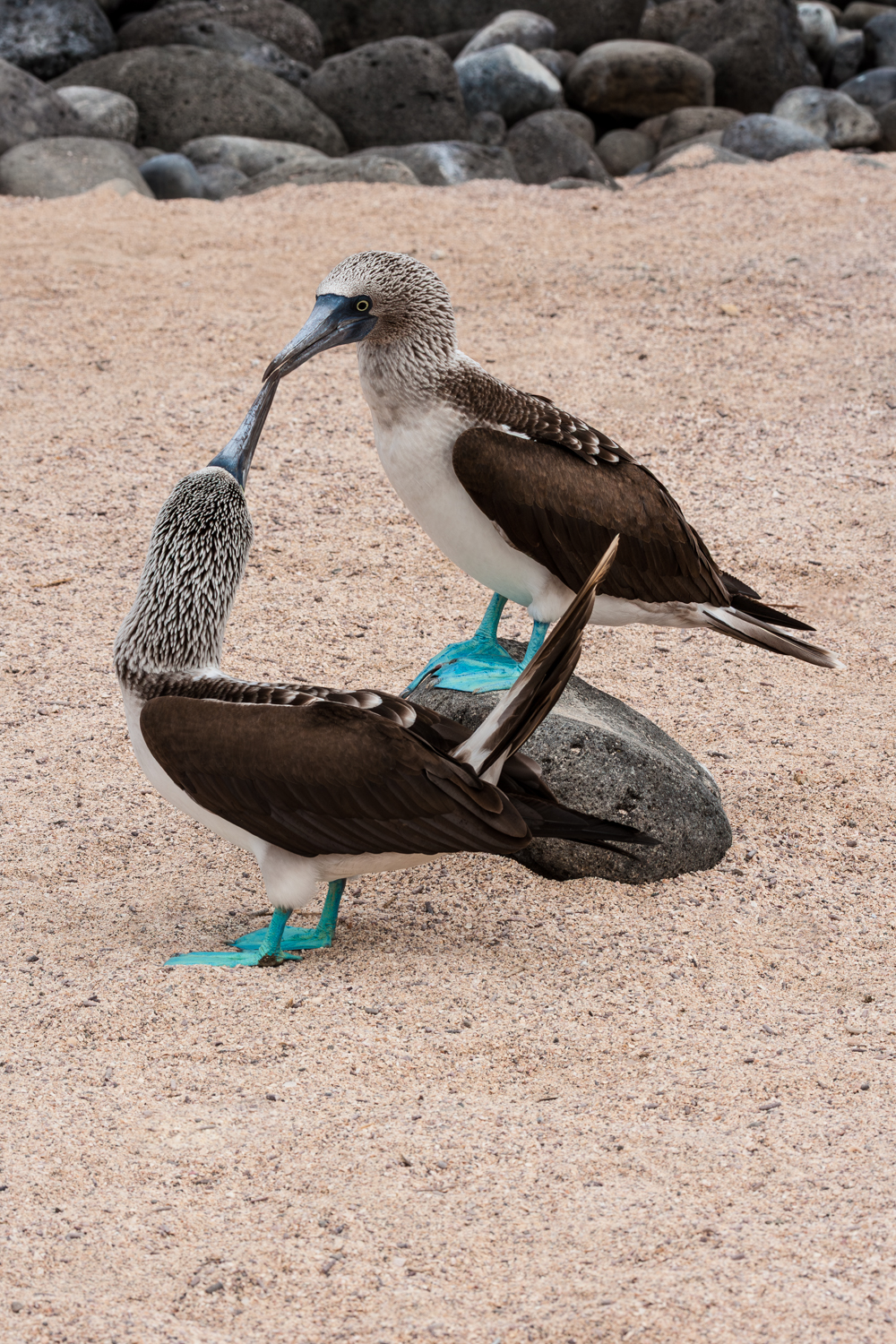
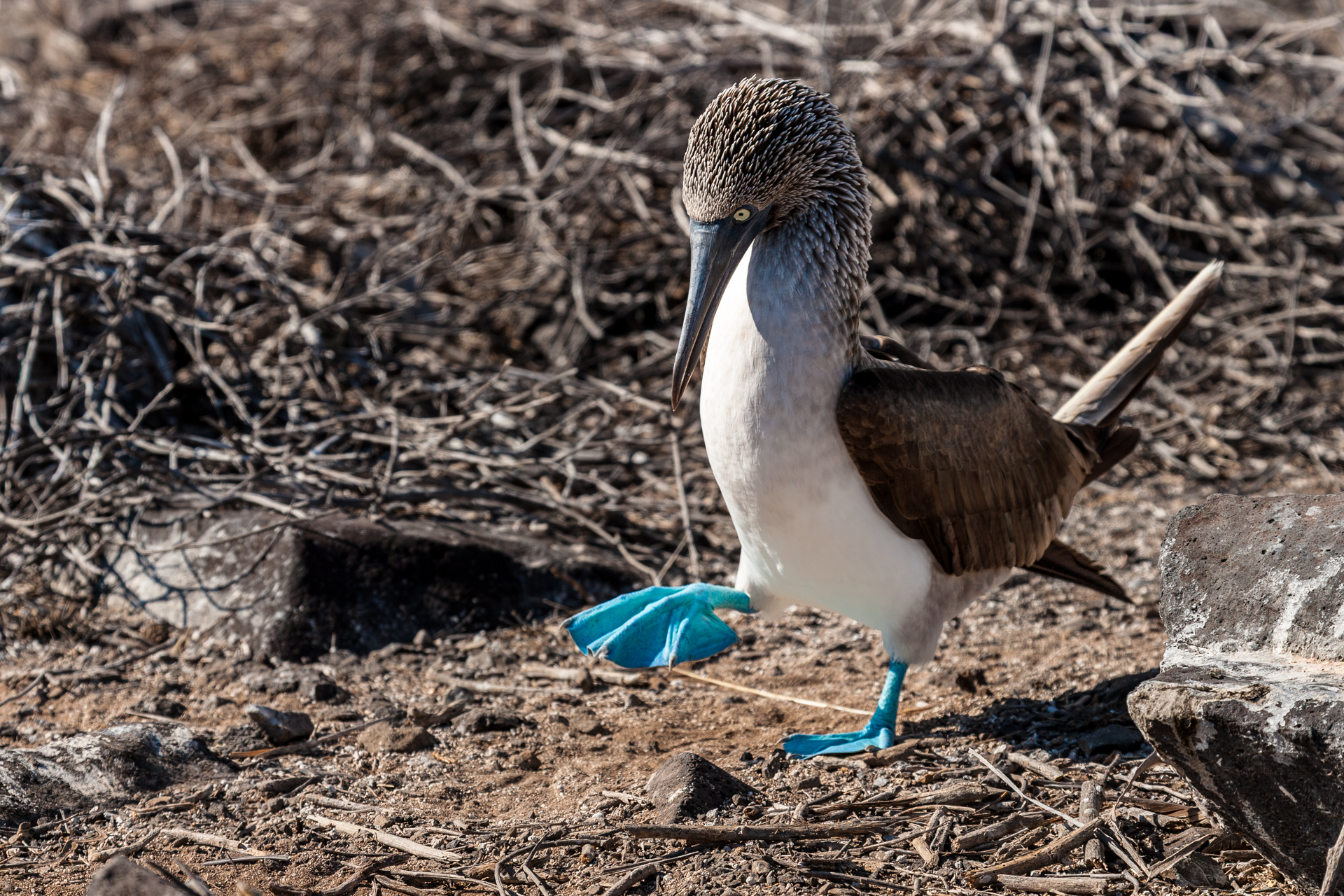
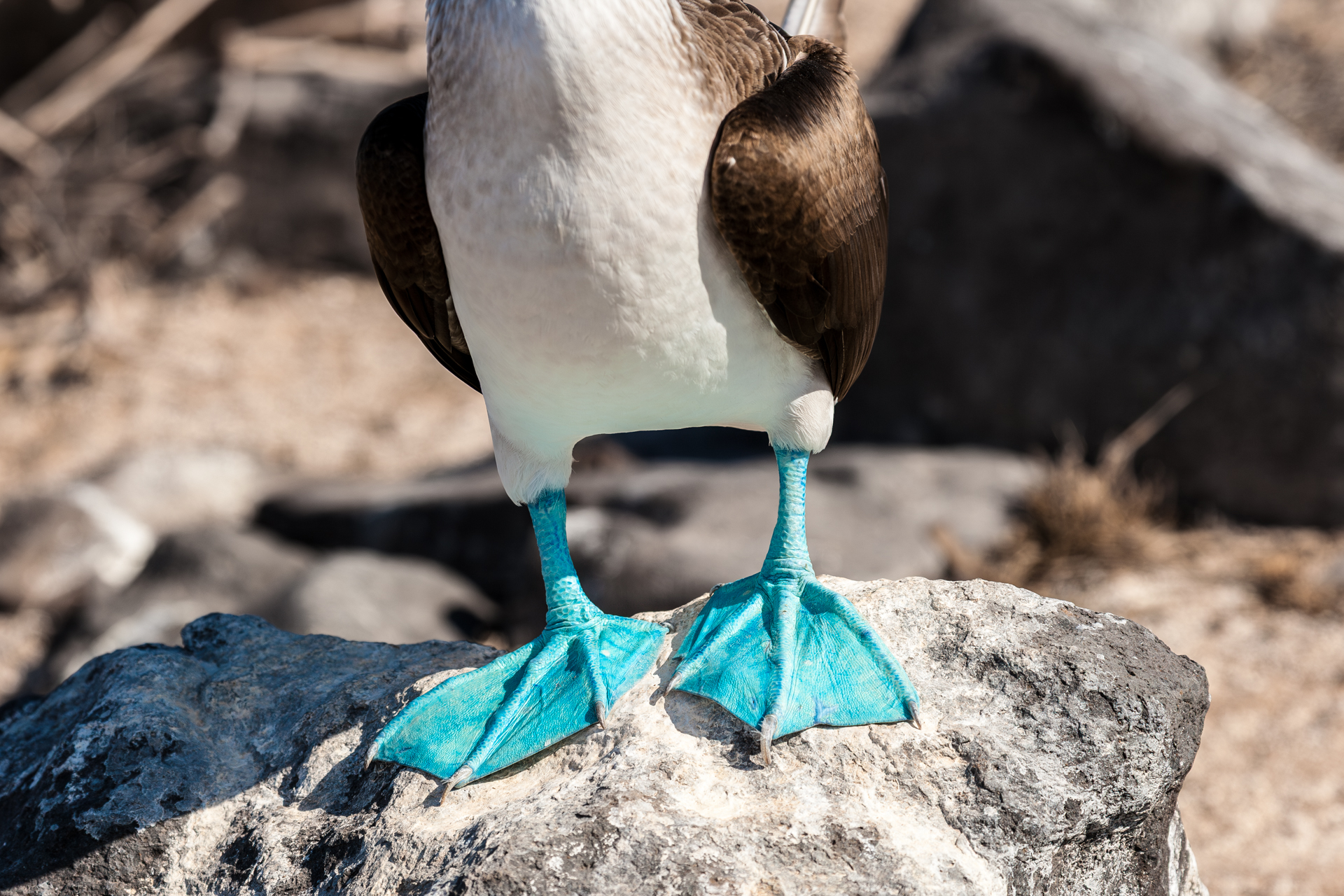
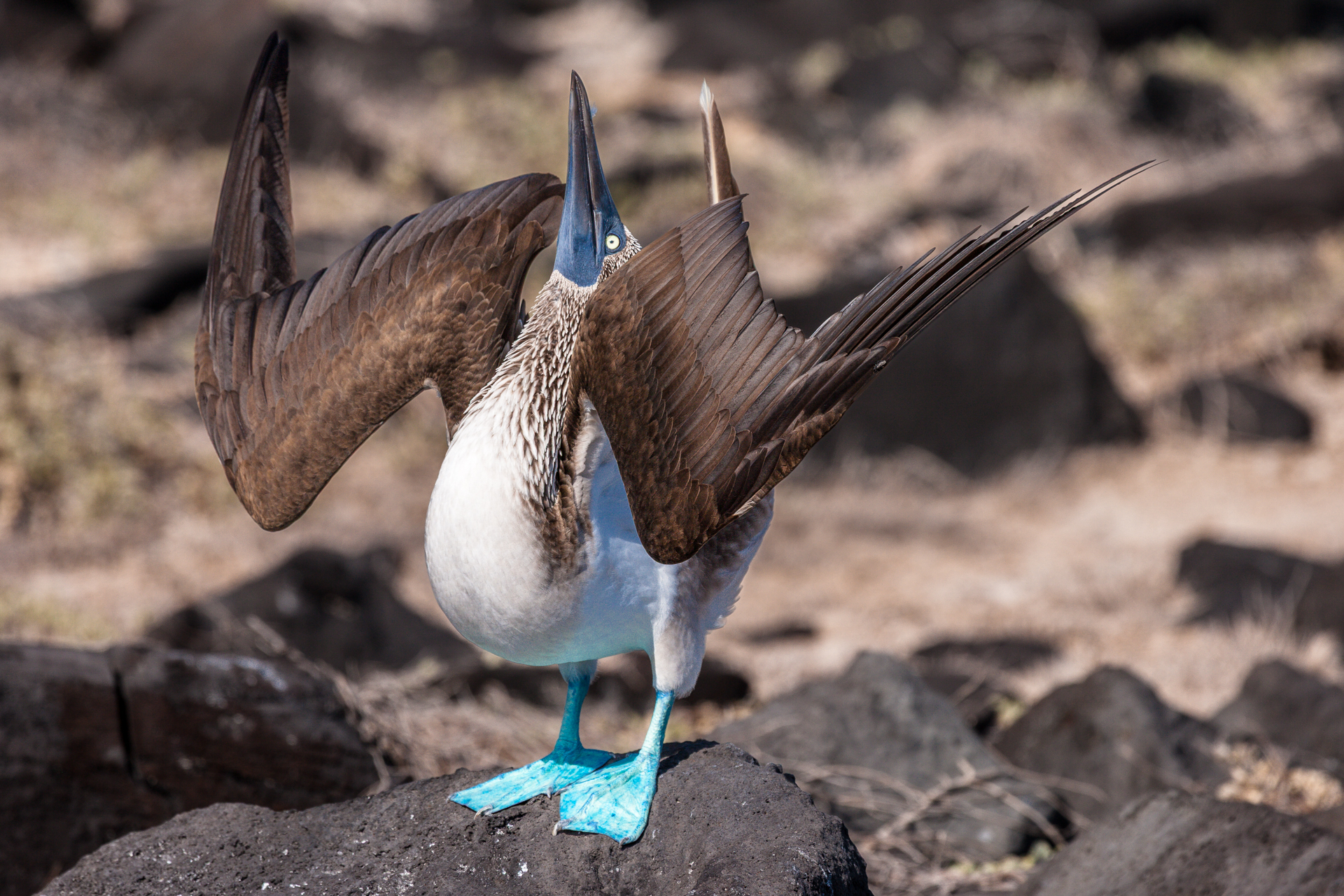
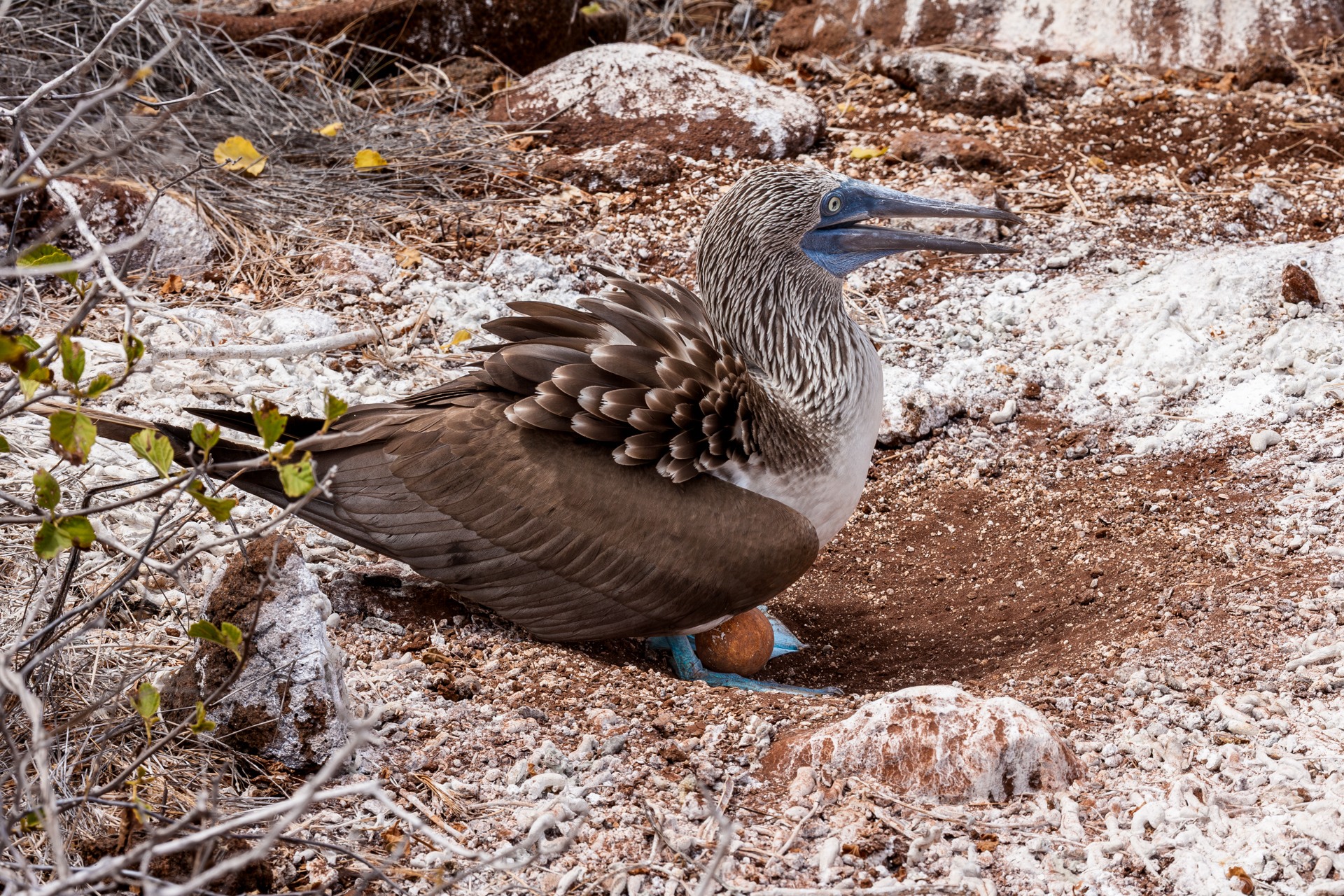
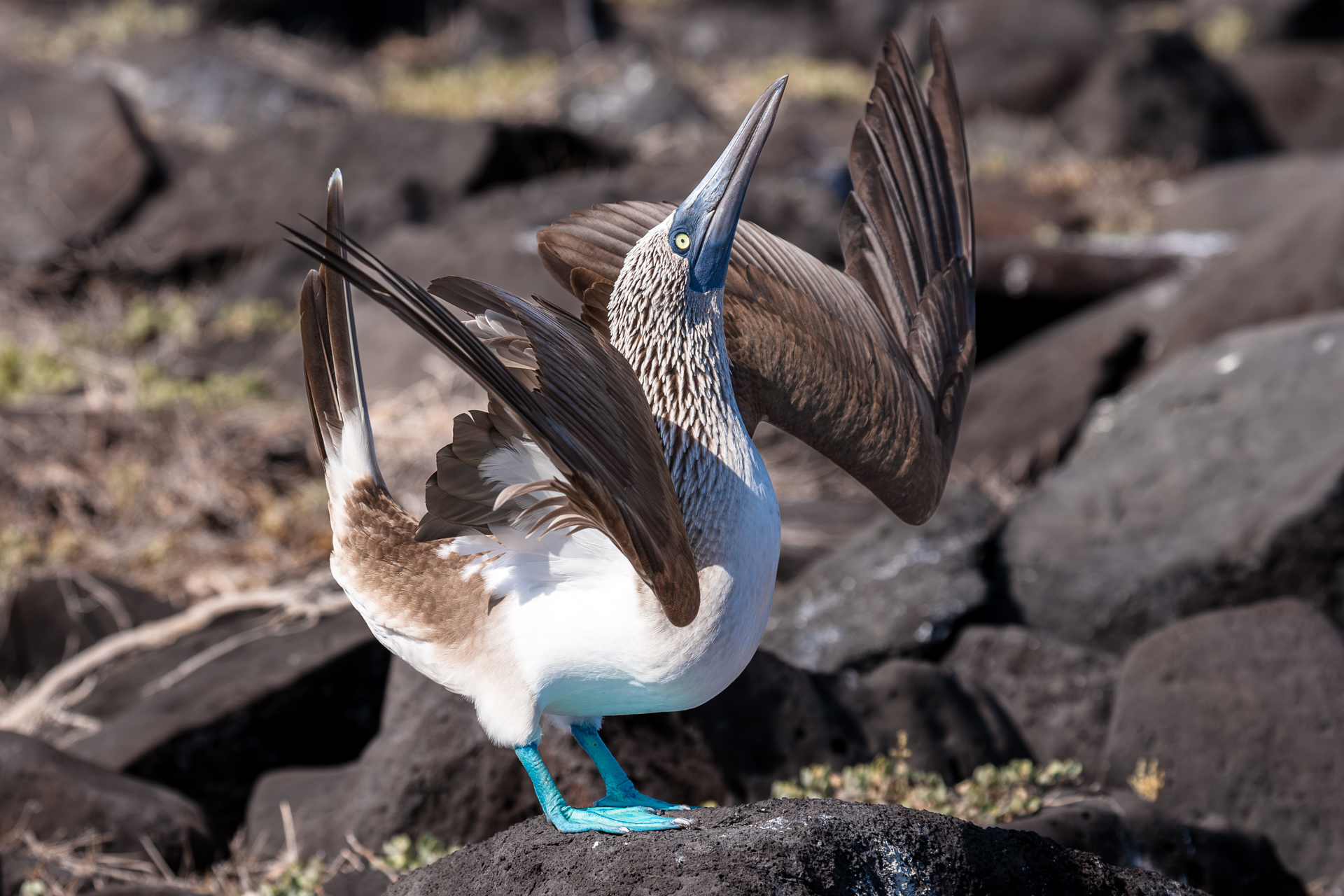
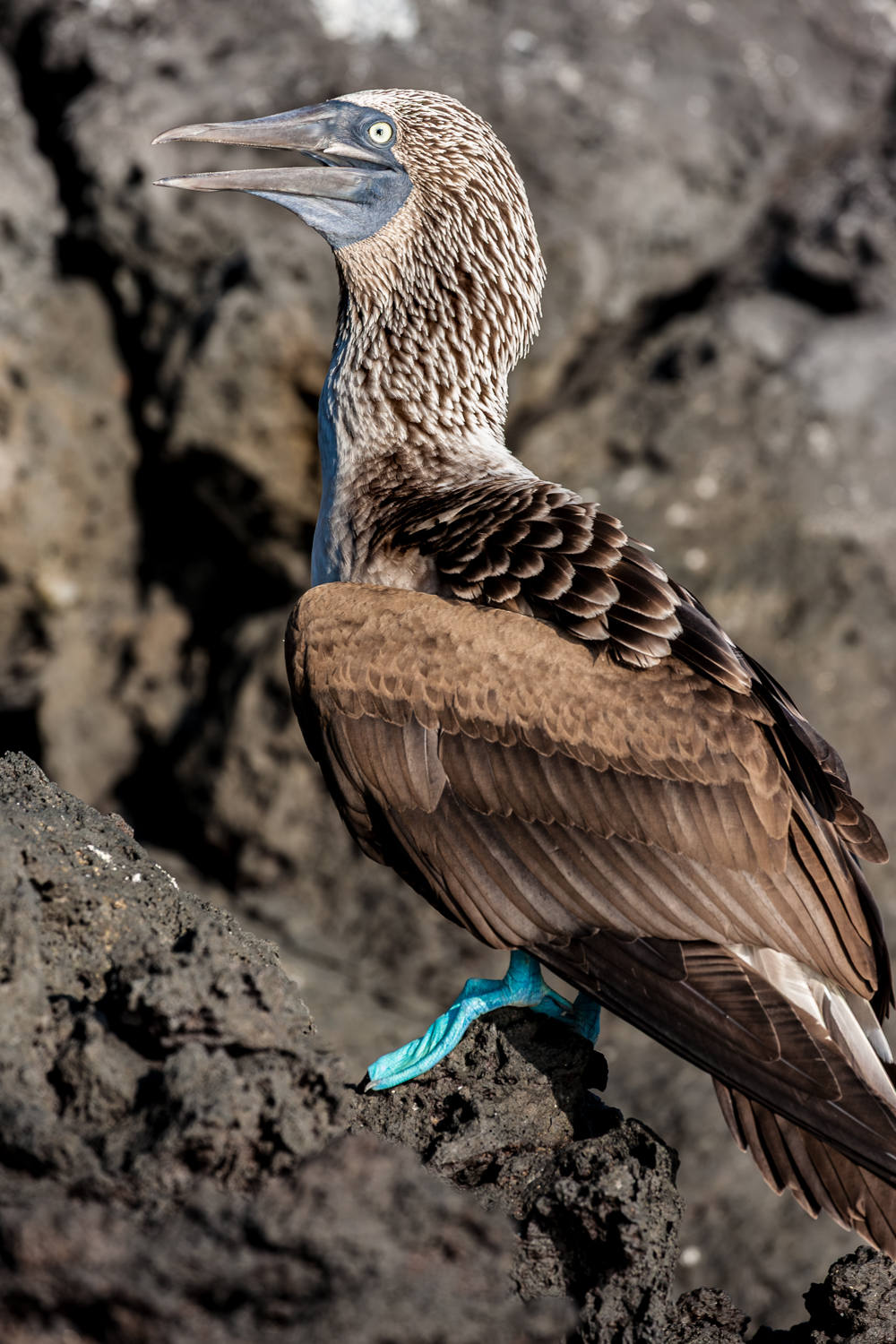
The blue-footed boobies were even more fun than I imagined. Their mating dance is absurd in the best way, slow, awkward steps like they’re proudly showing off their bright turquoise feet, hoping someone notices. I sat quietly on the ground with my camera, watching one pair go through their whole routine. You could see the connection between them. It wasn’t just biology it was showmanship.
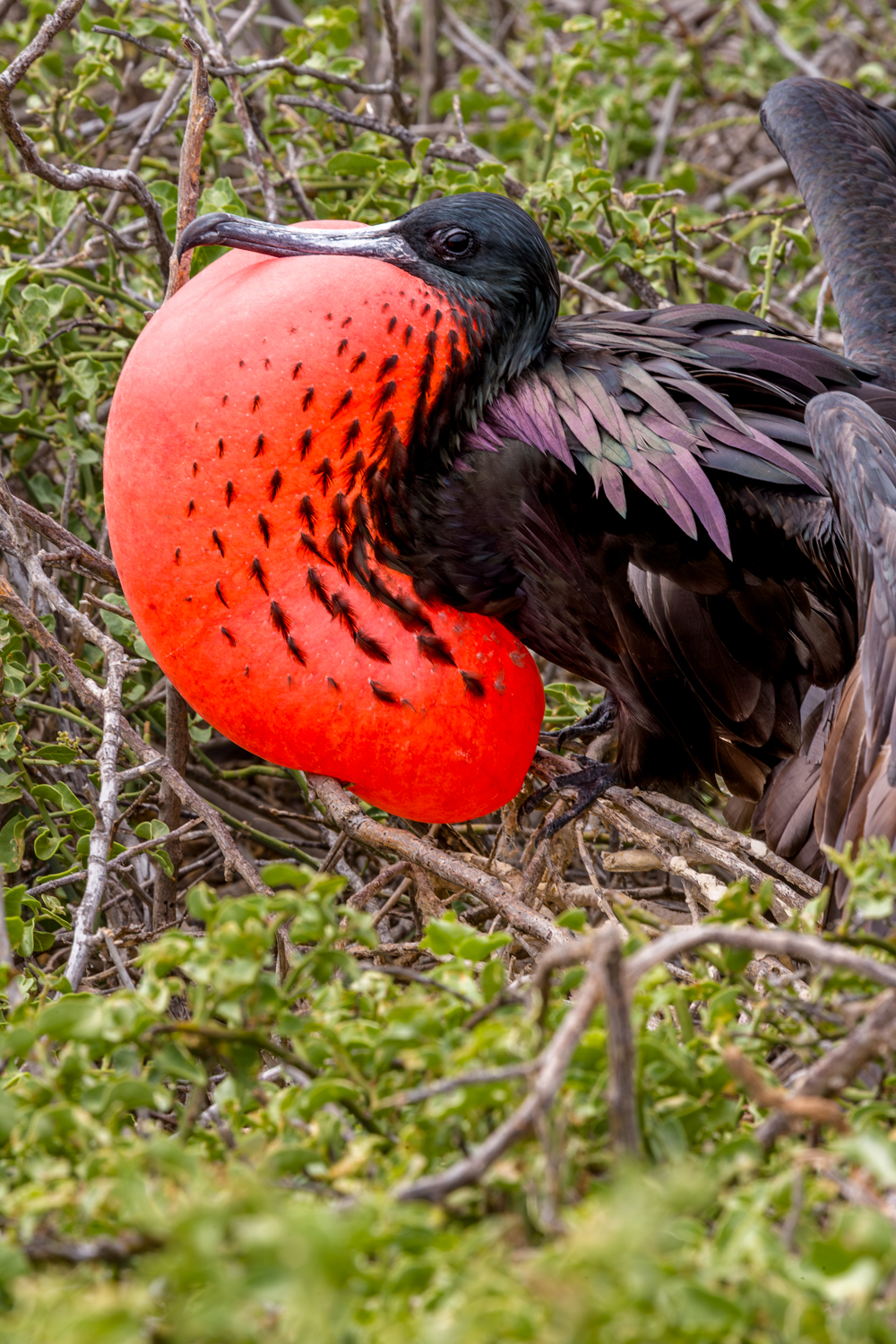
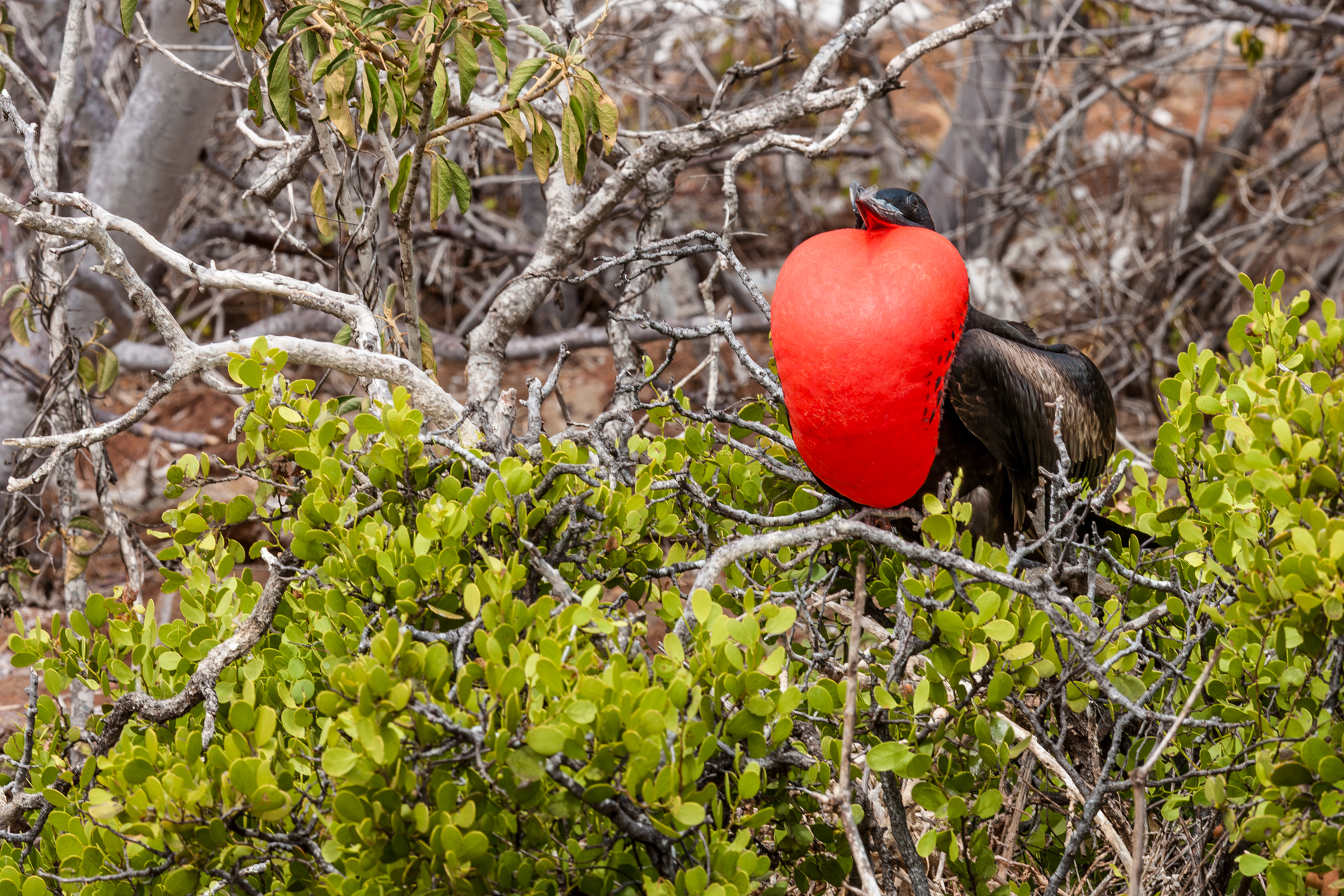
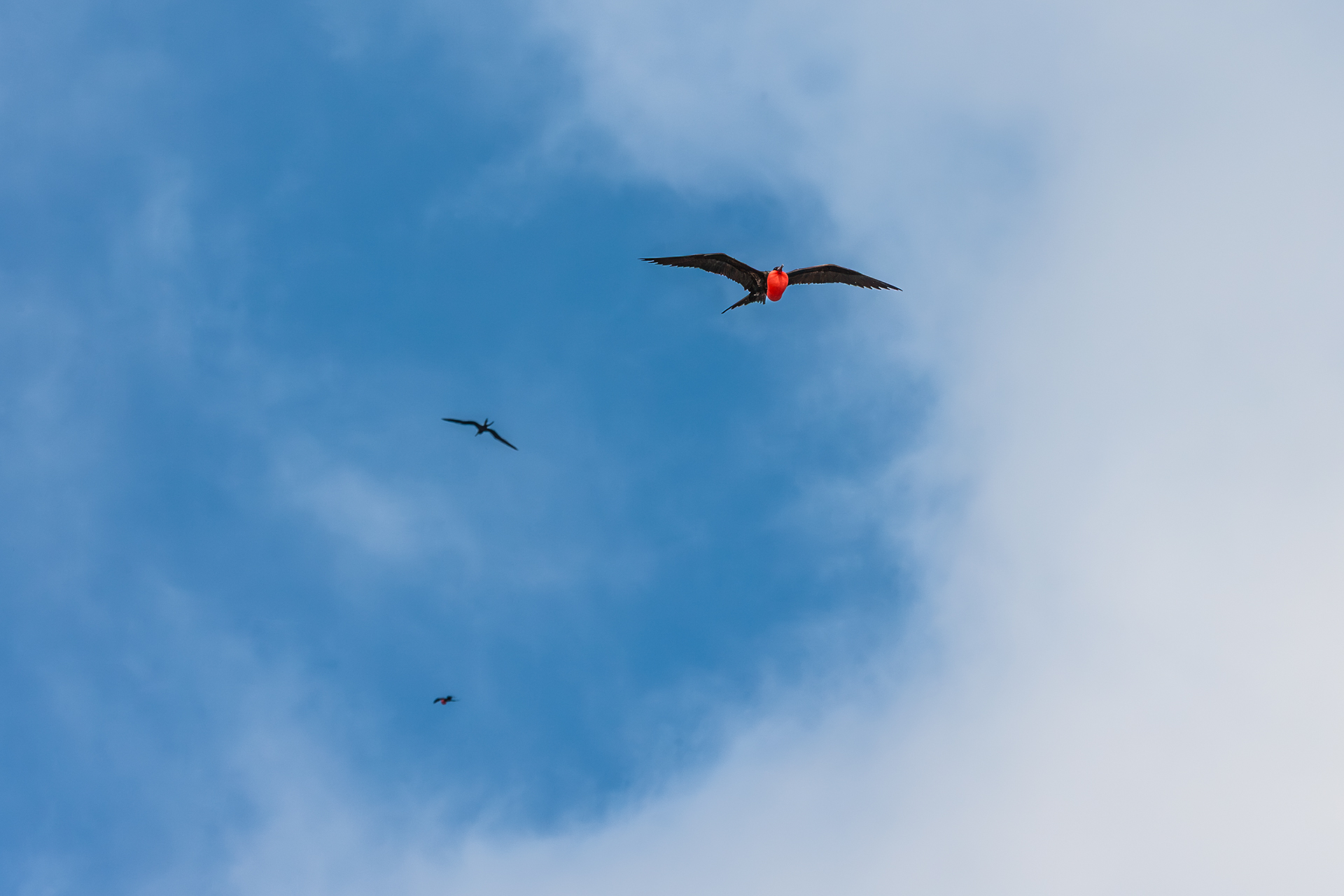
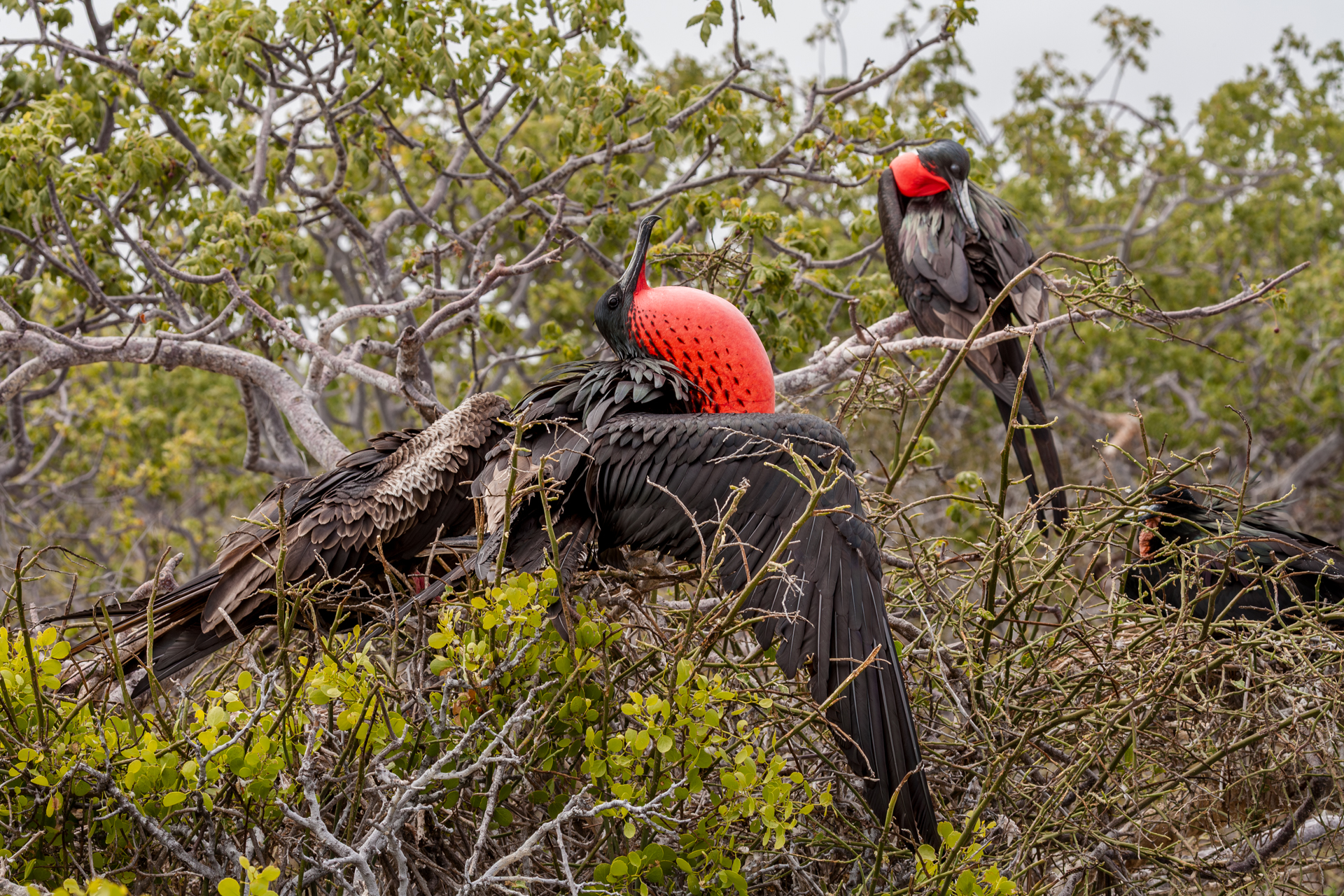
And the frigatebirds… incredible. The males inflate their huge red chests like balloons, trying to outdo each other in the hope of attracting a mate. Against the blue sky, those red pouches looked like floating hearts. Their wings are long and angular, giving them a sleek, almost menacing silhouette as they soar. I snapped a photo of one with its pouch fully inflated, framed by clouds and ocean it looked surreal, like something from a dream.
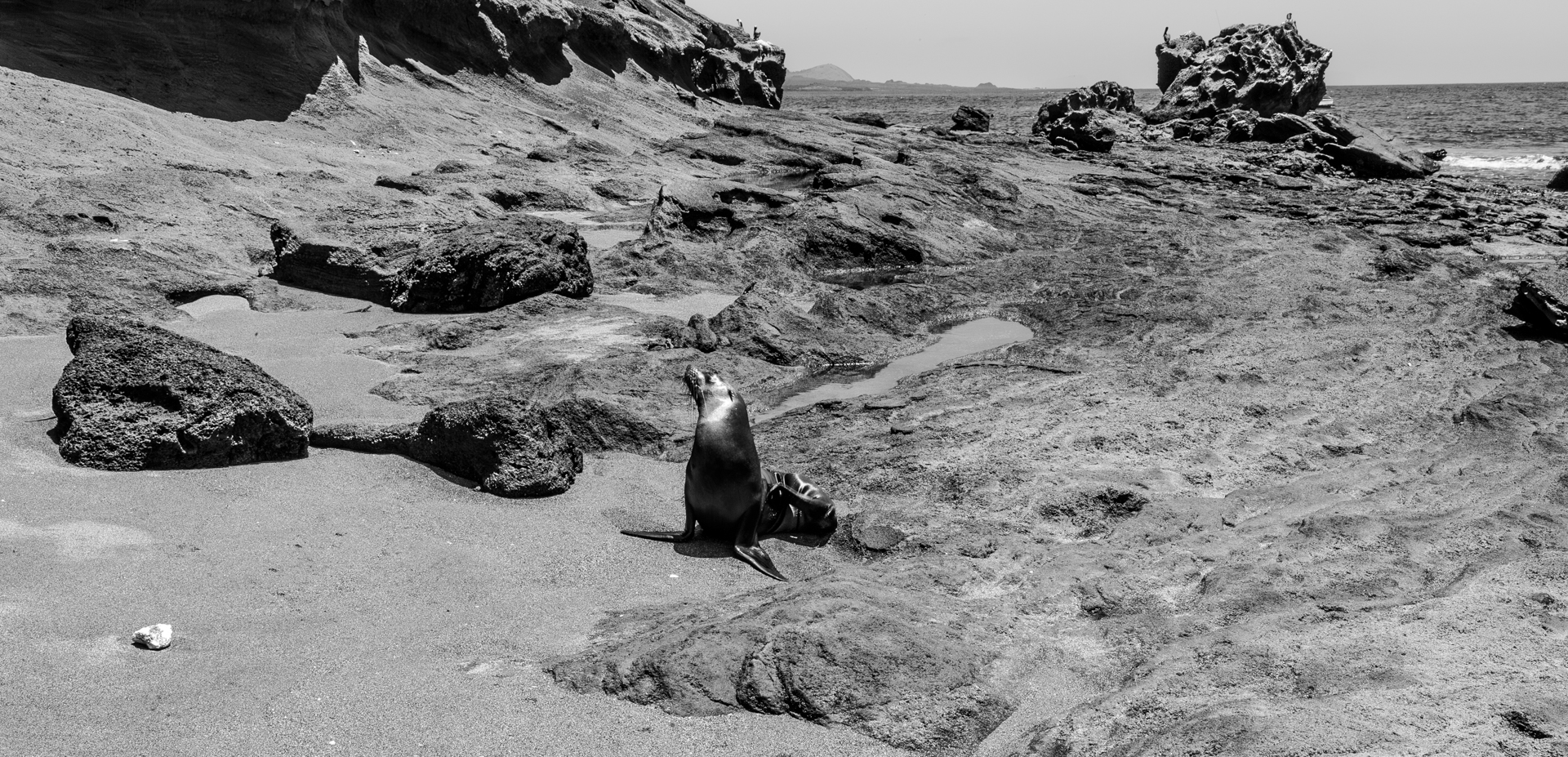
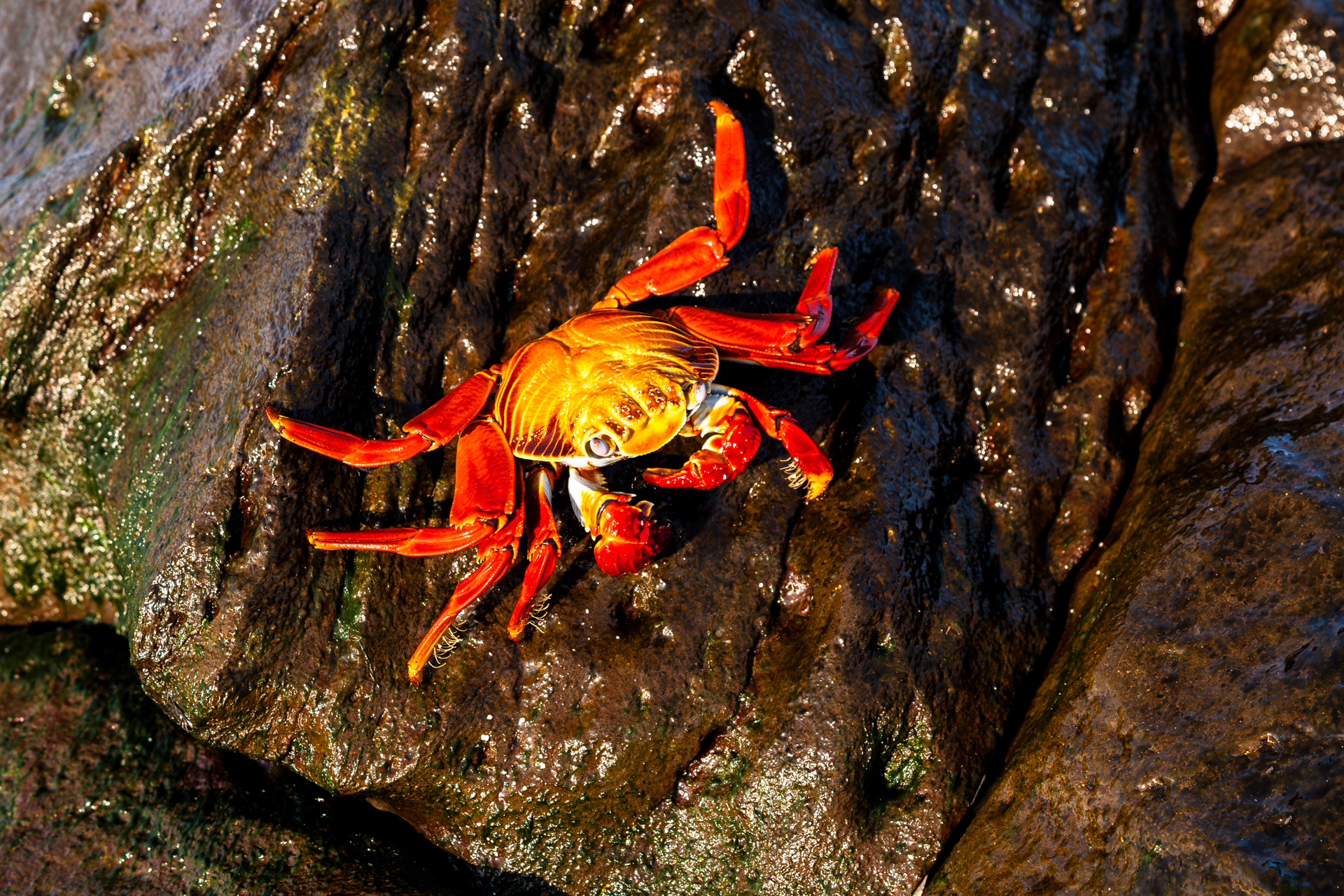
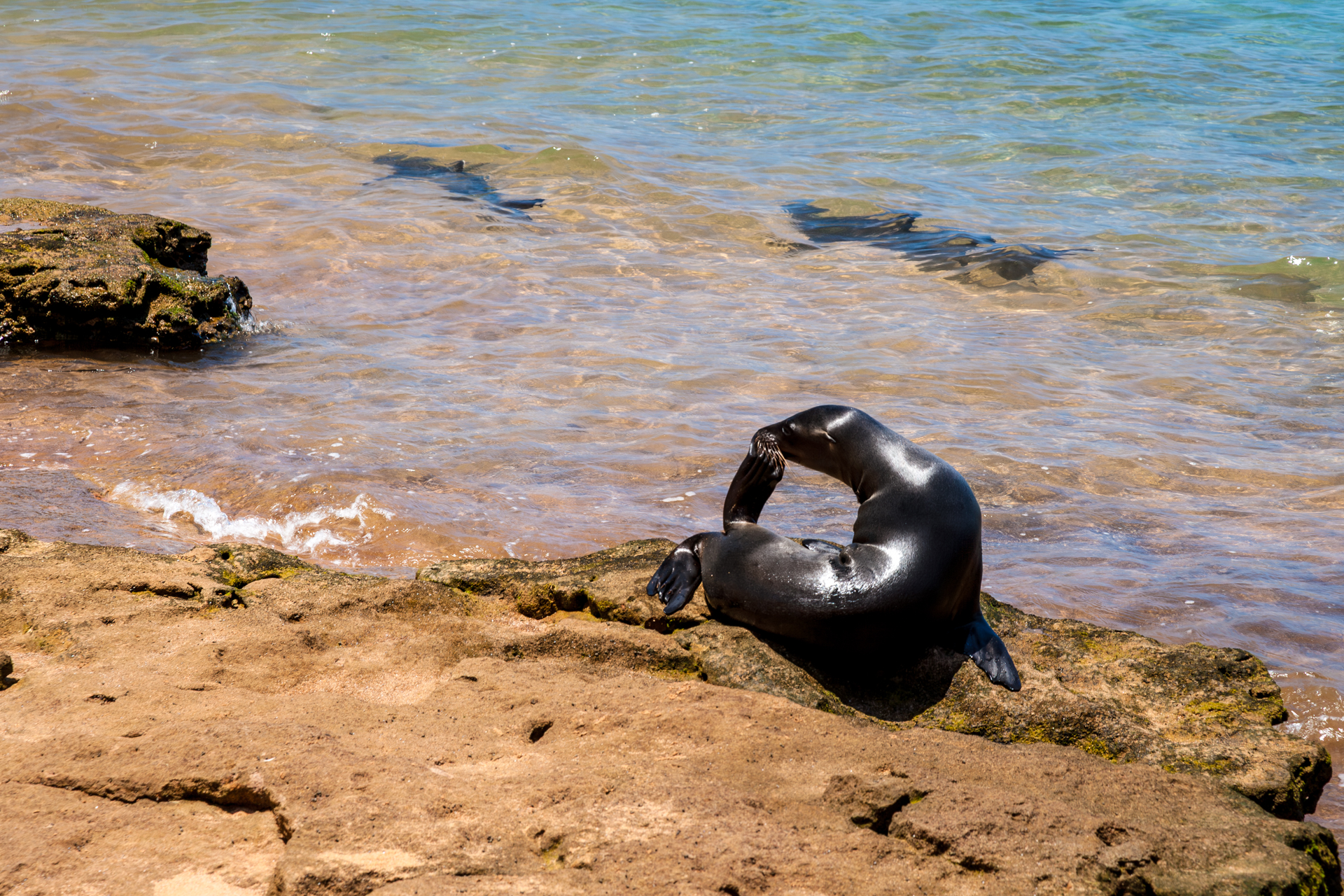
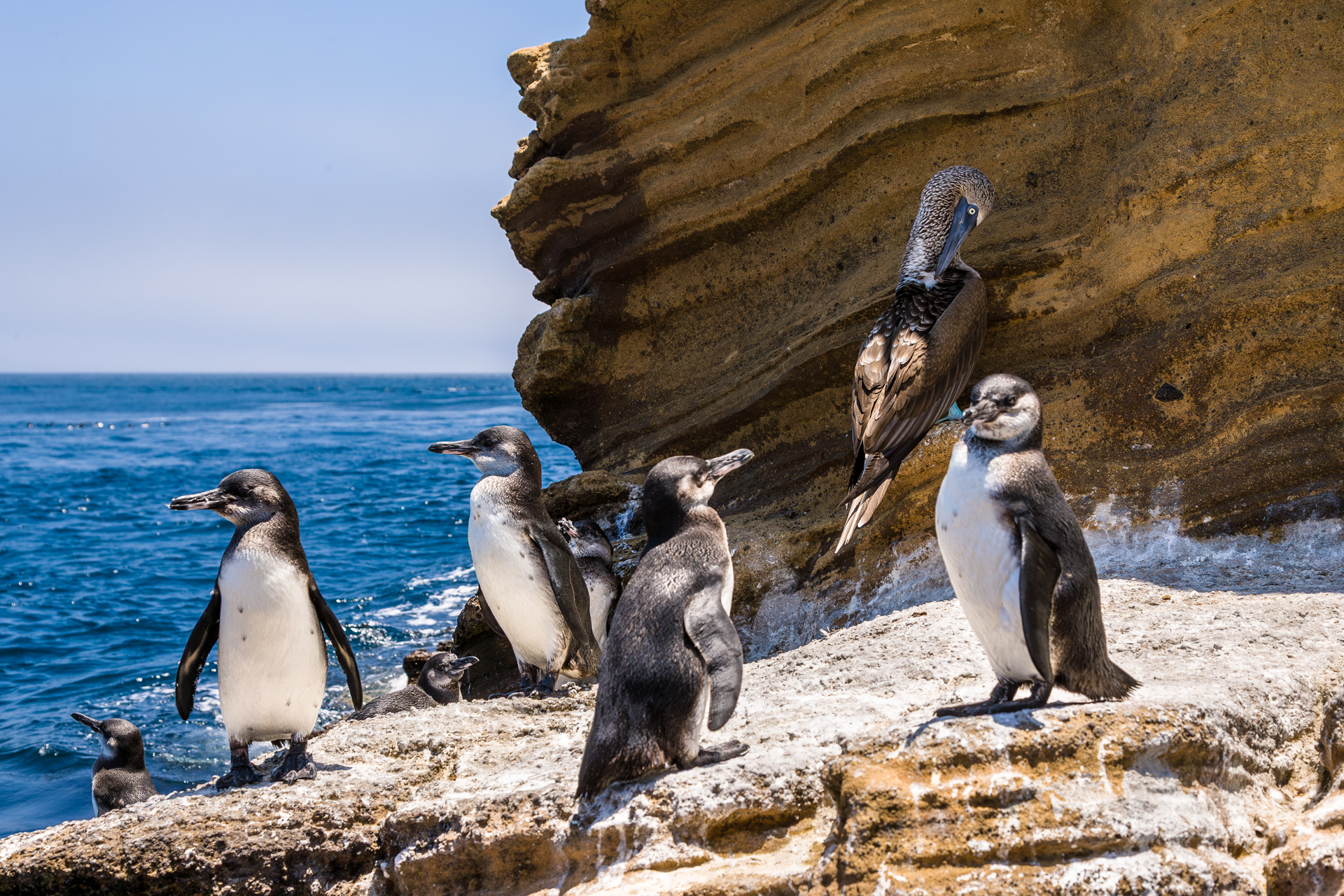
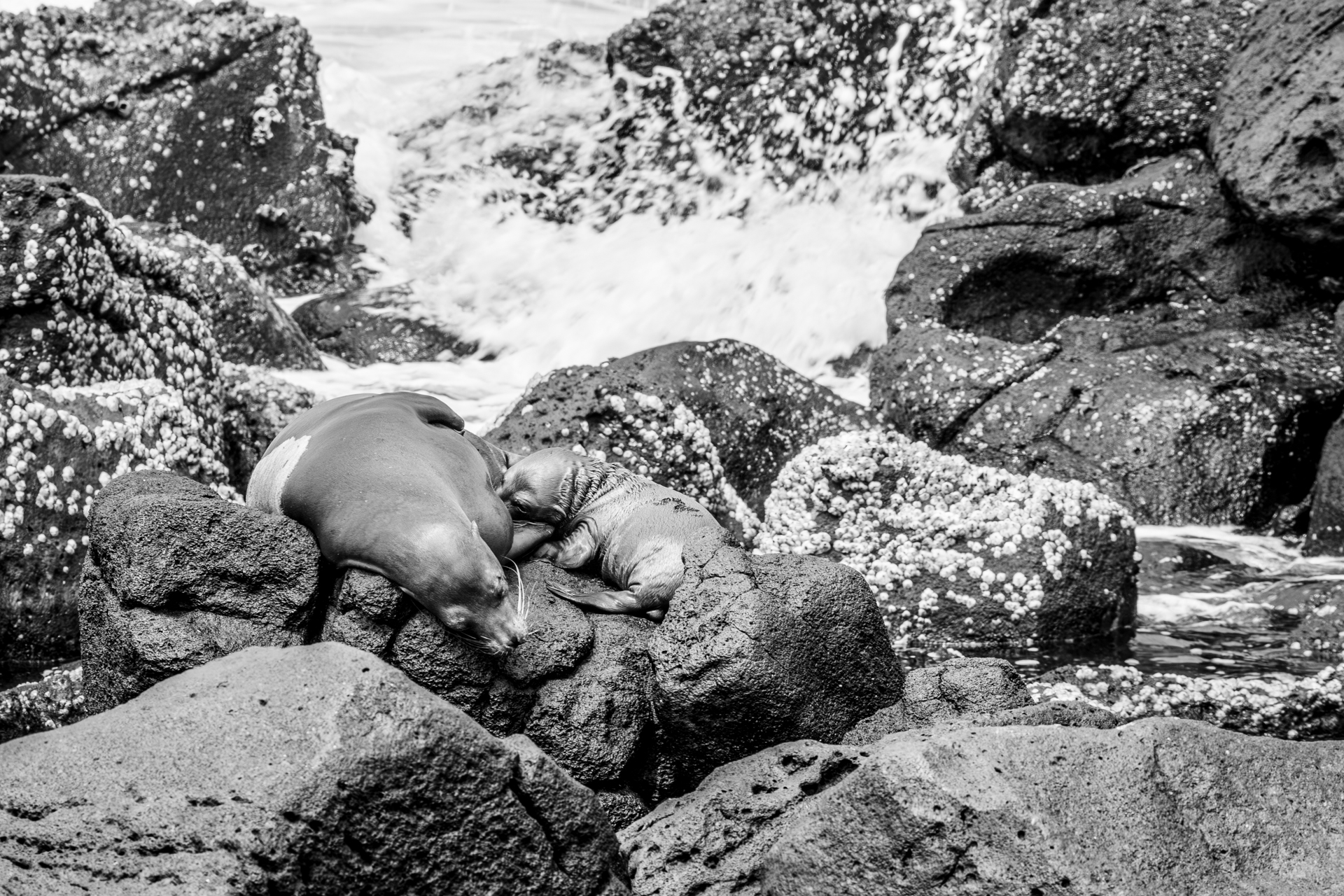
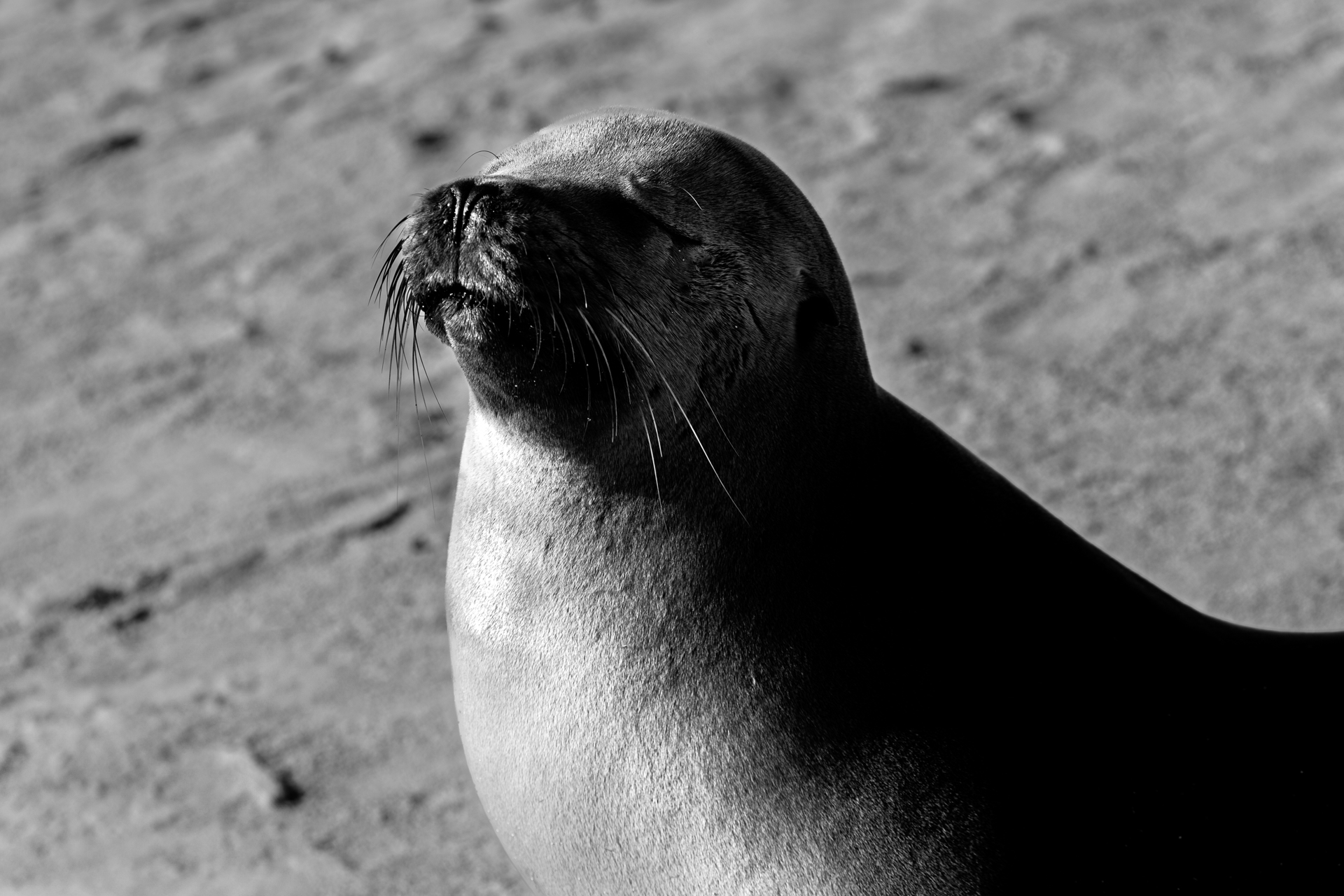
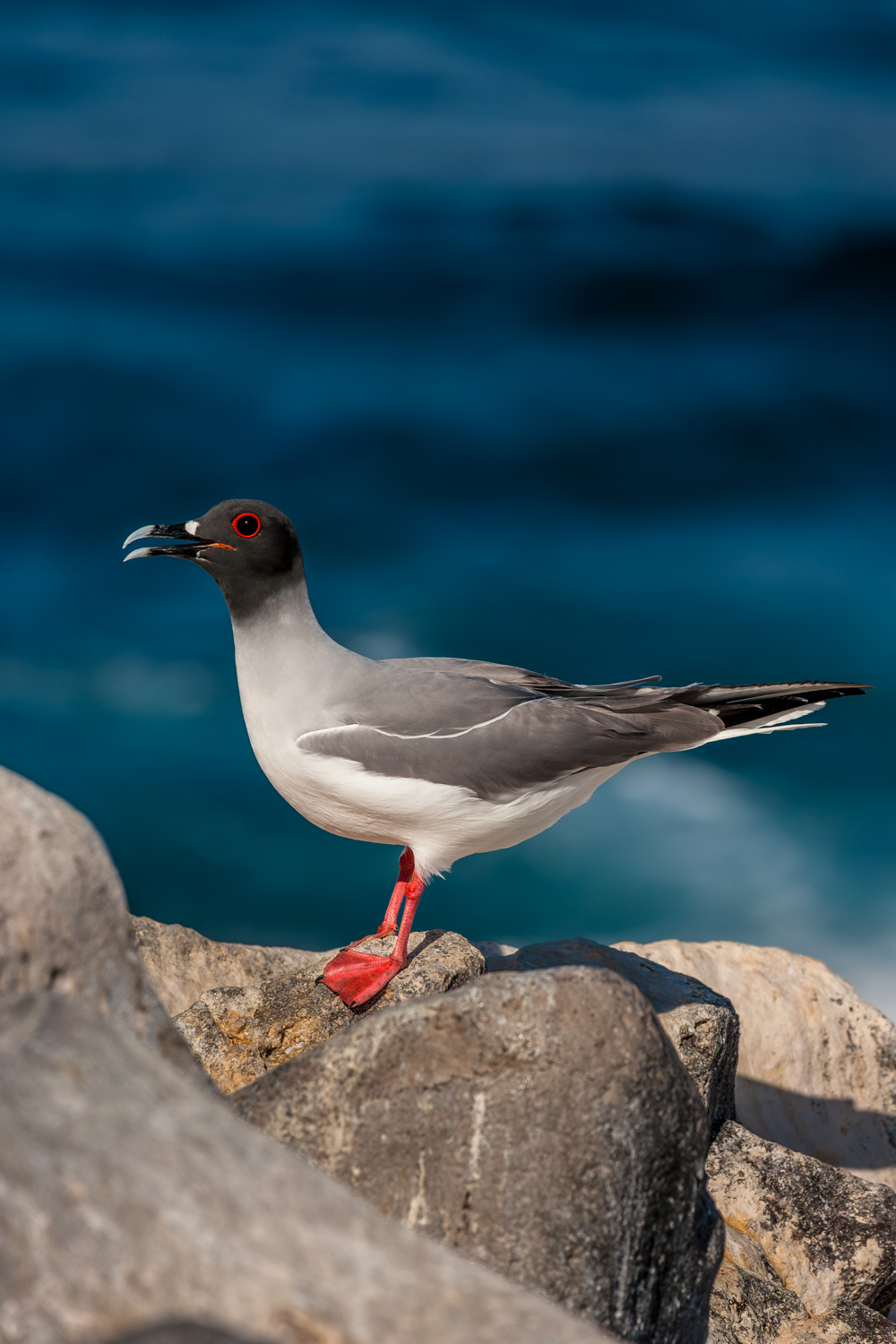
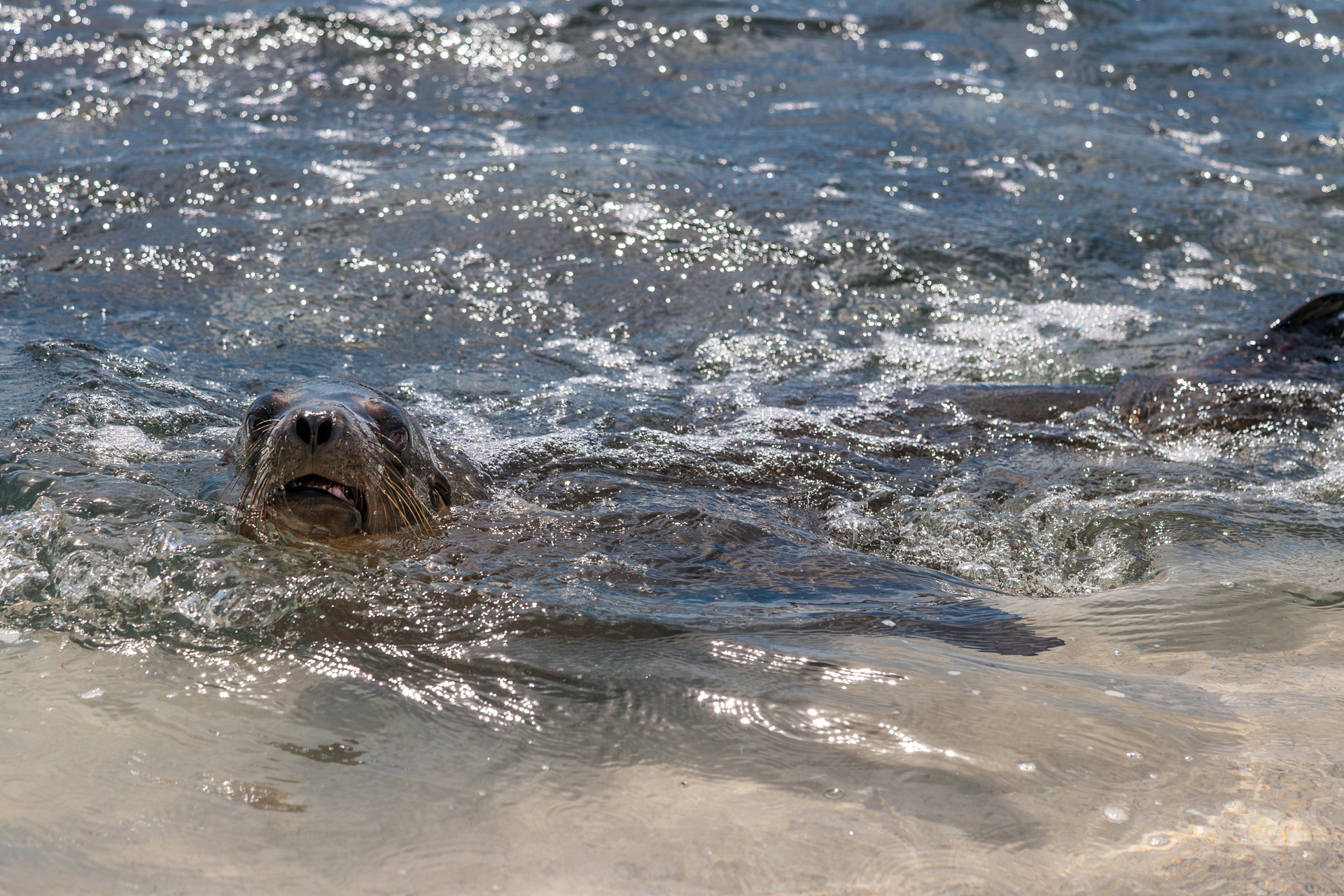
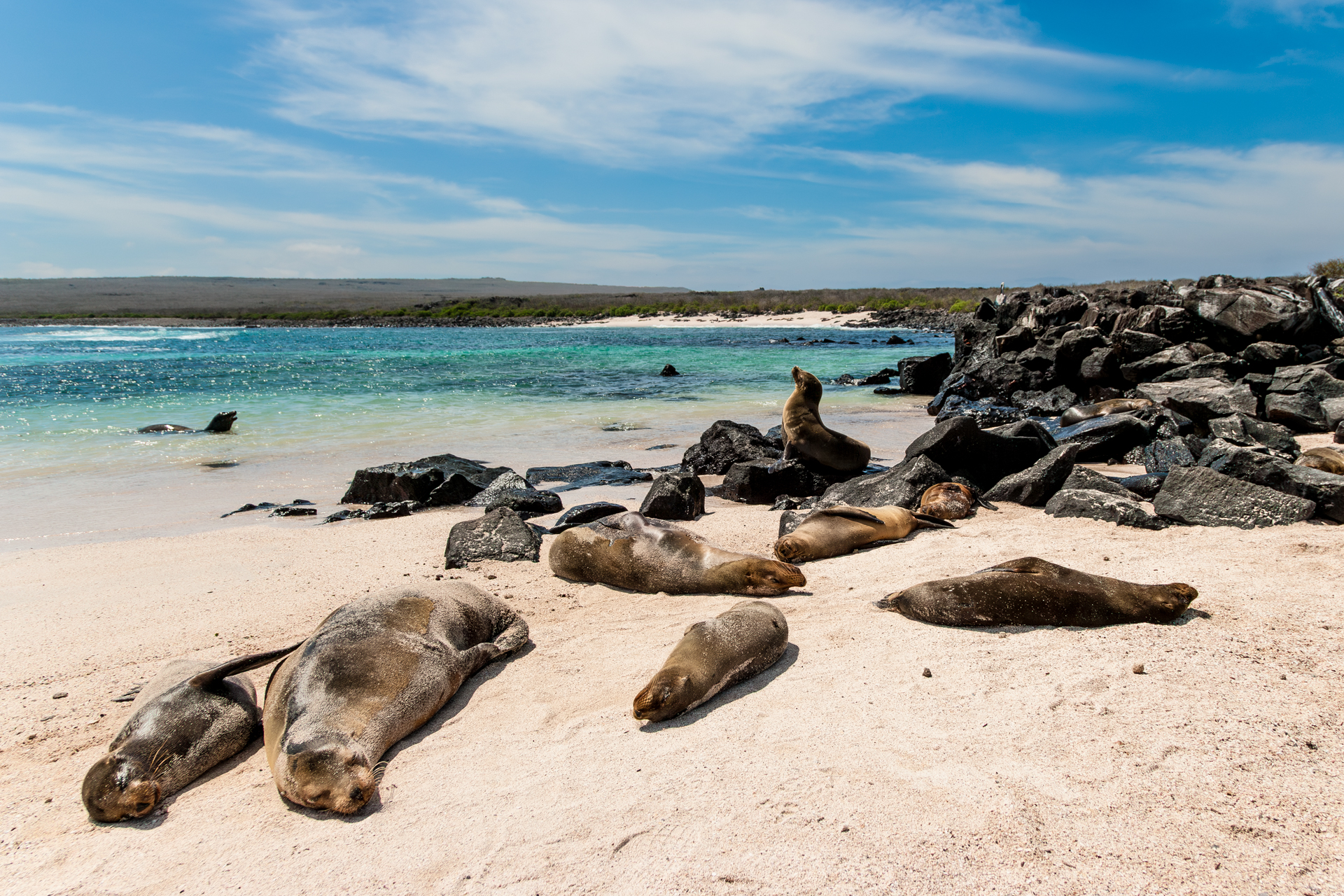
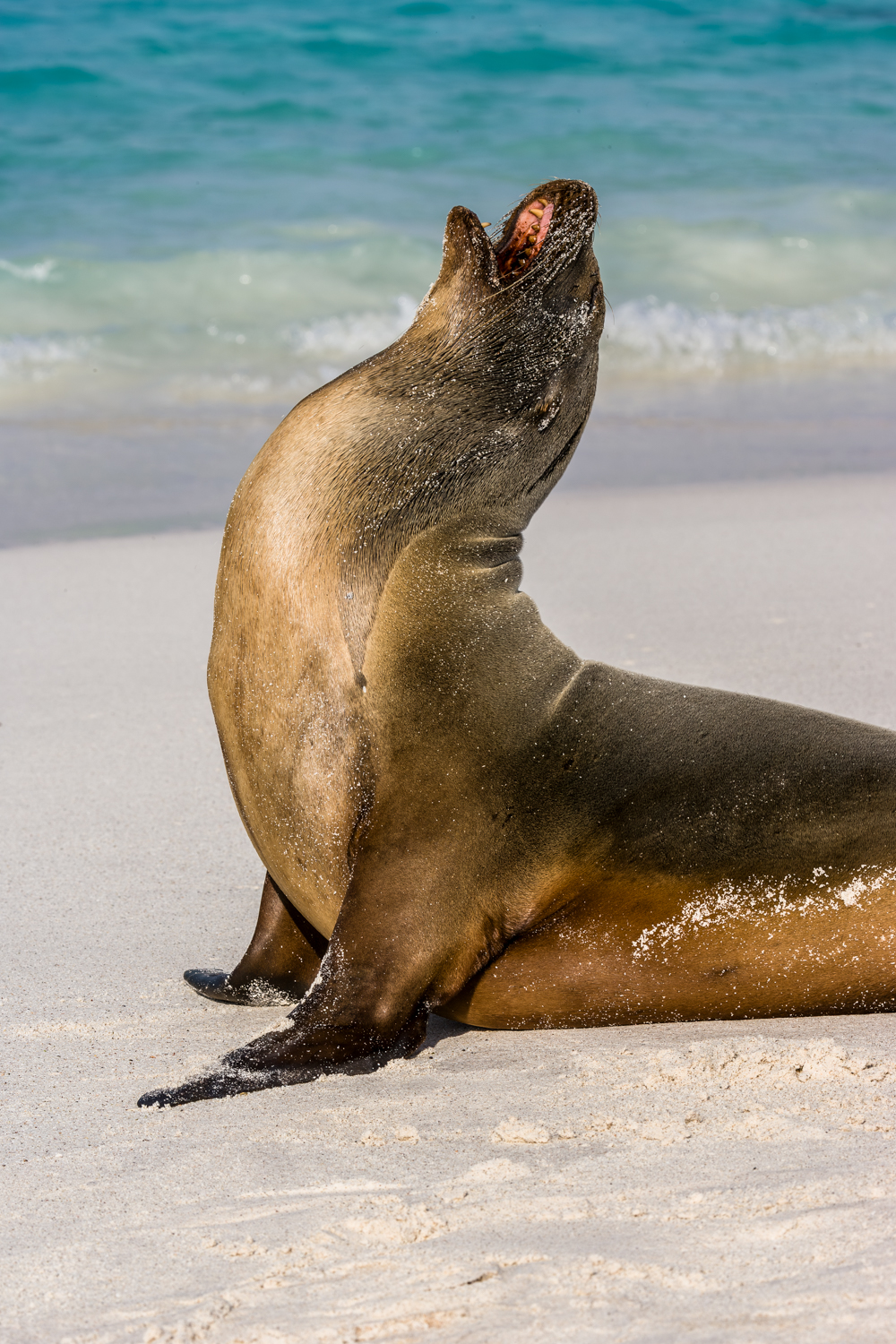
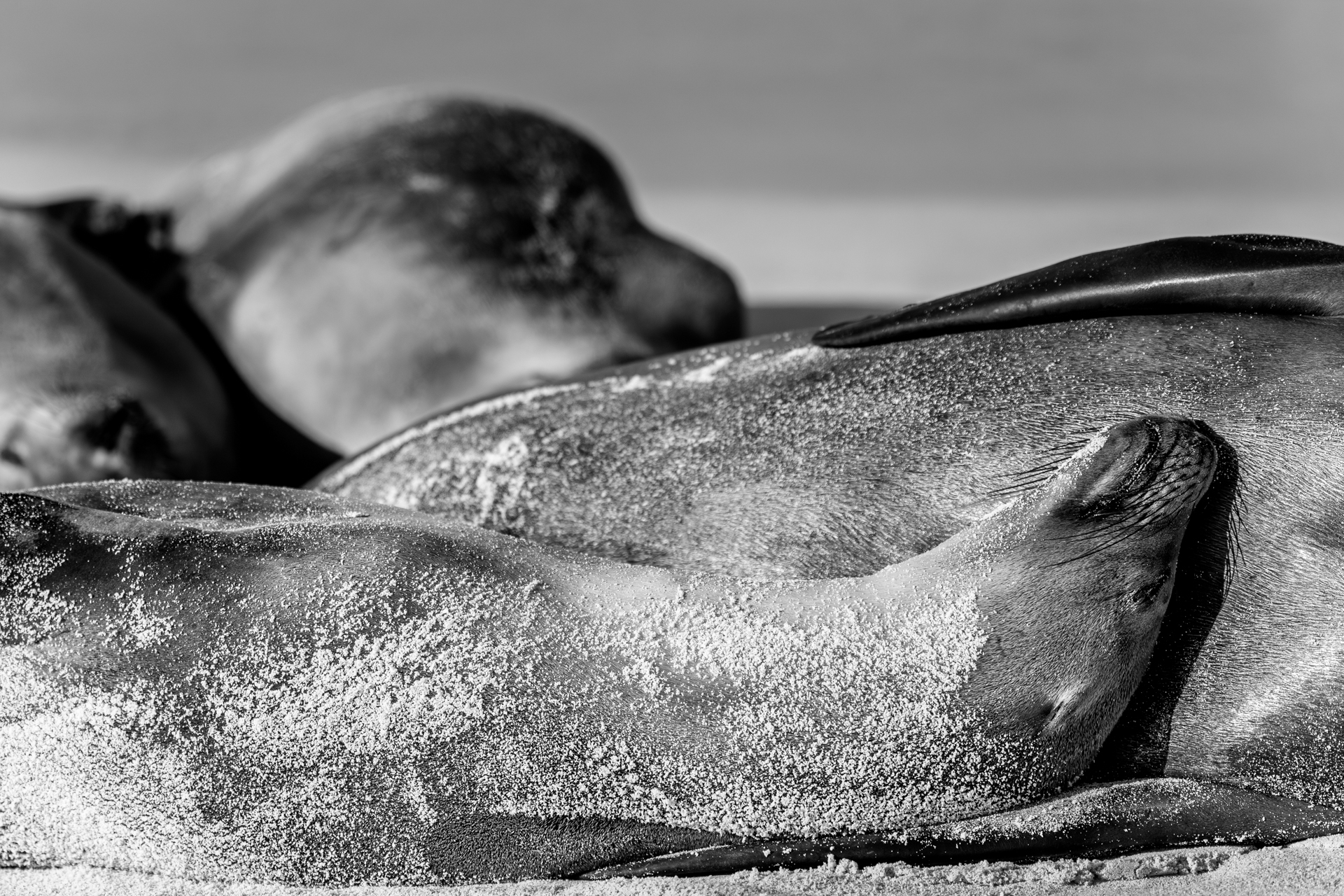
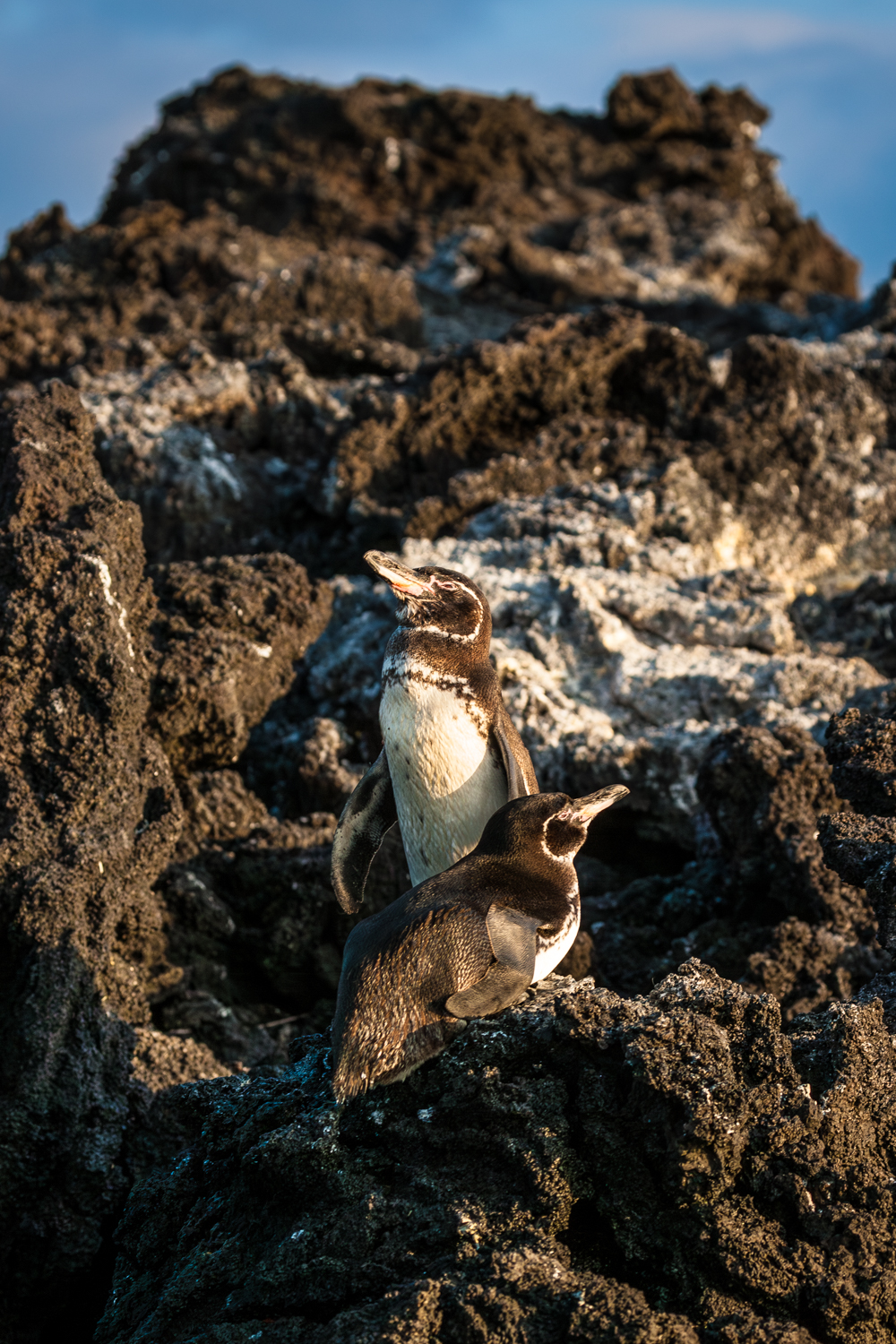
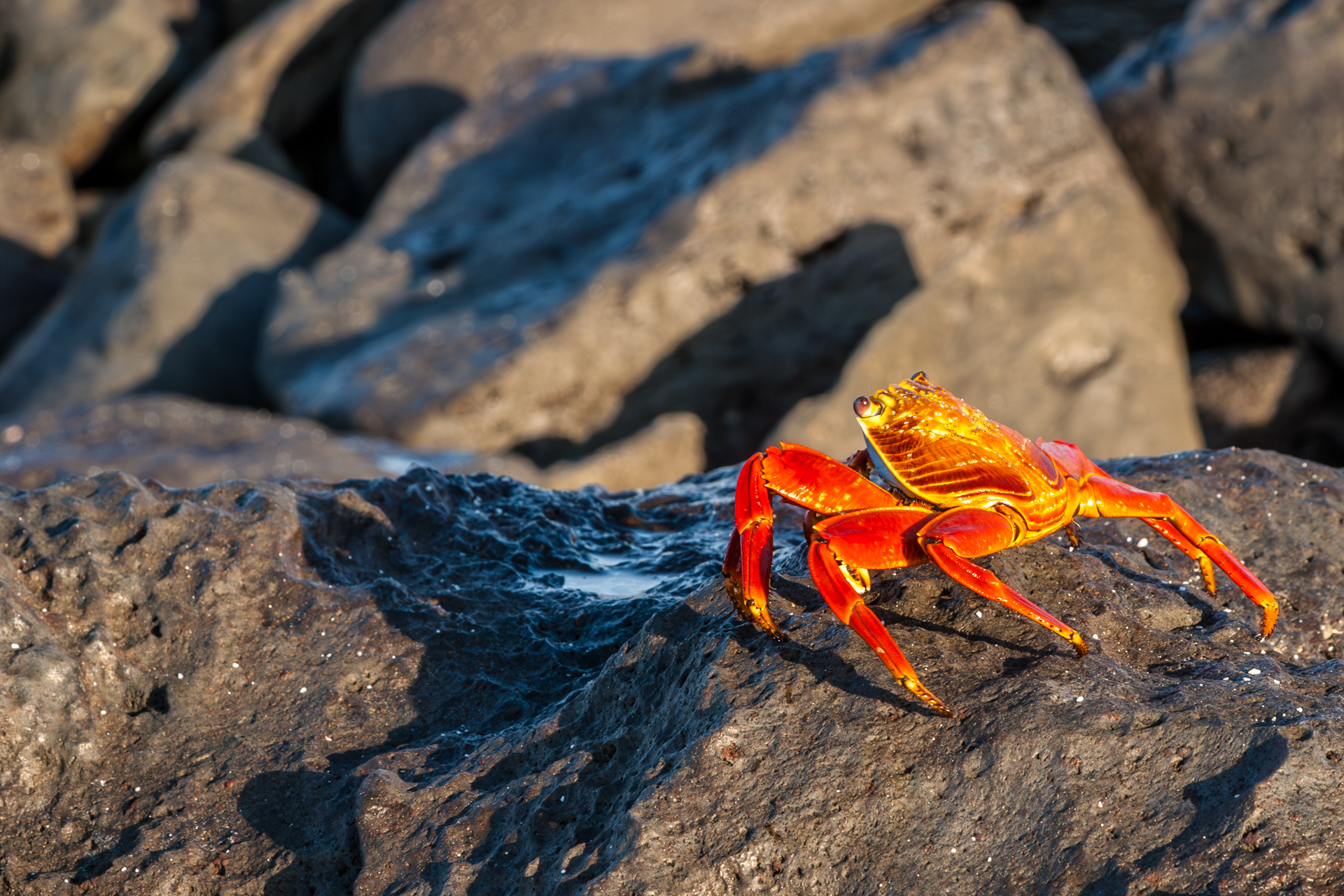
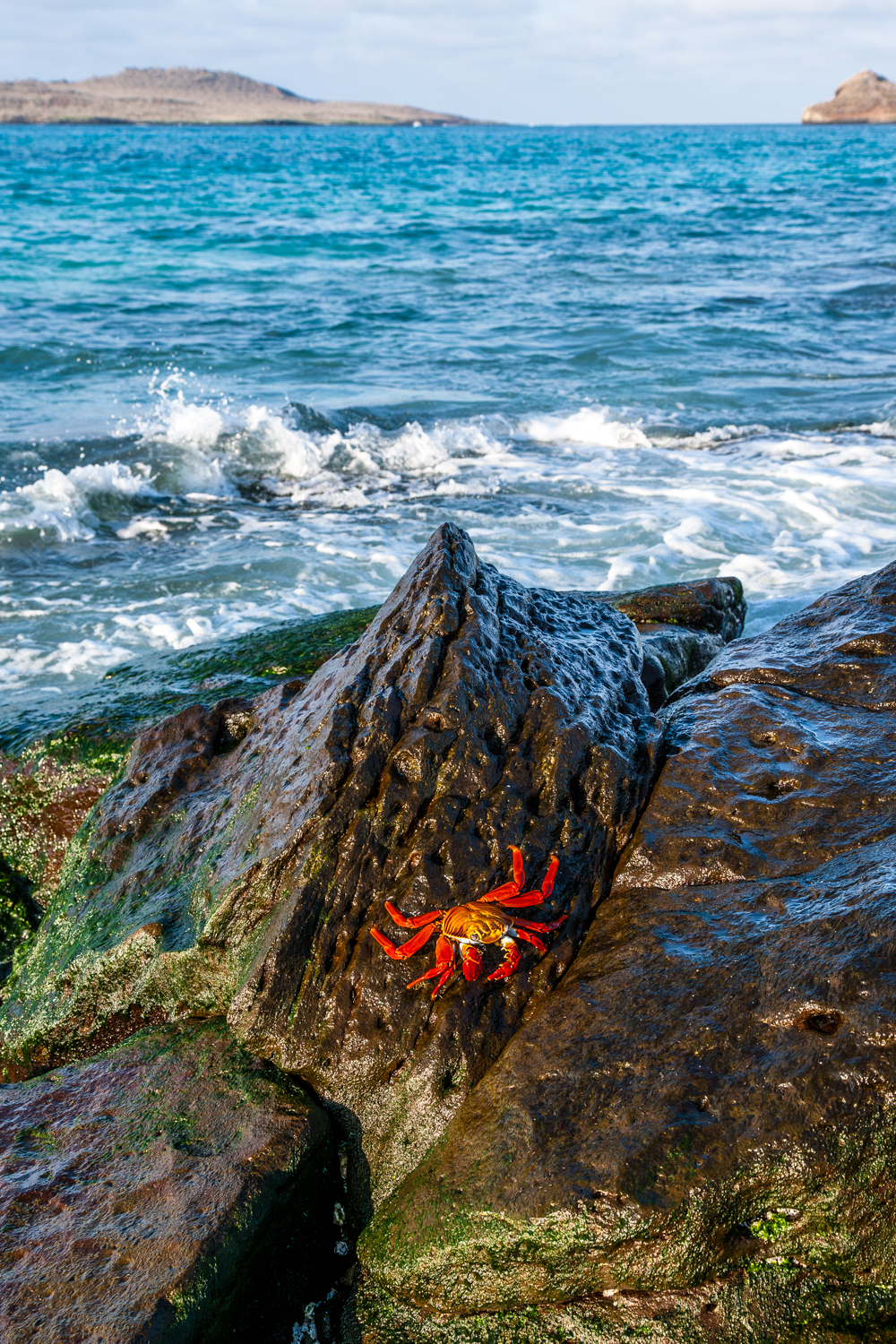
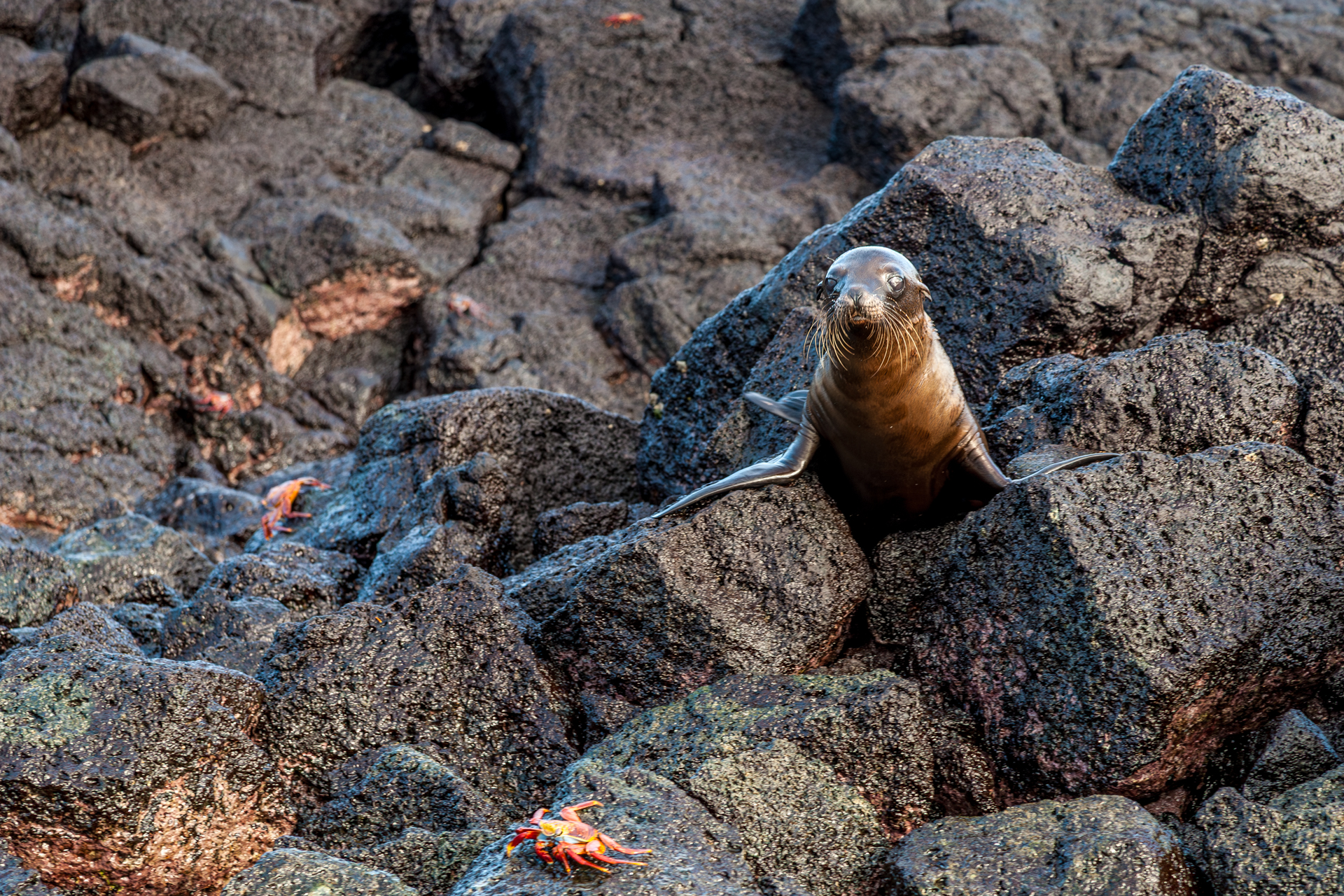
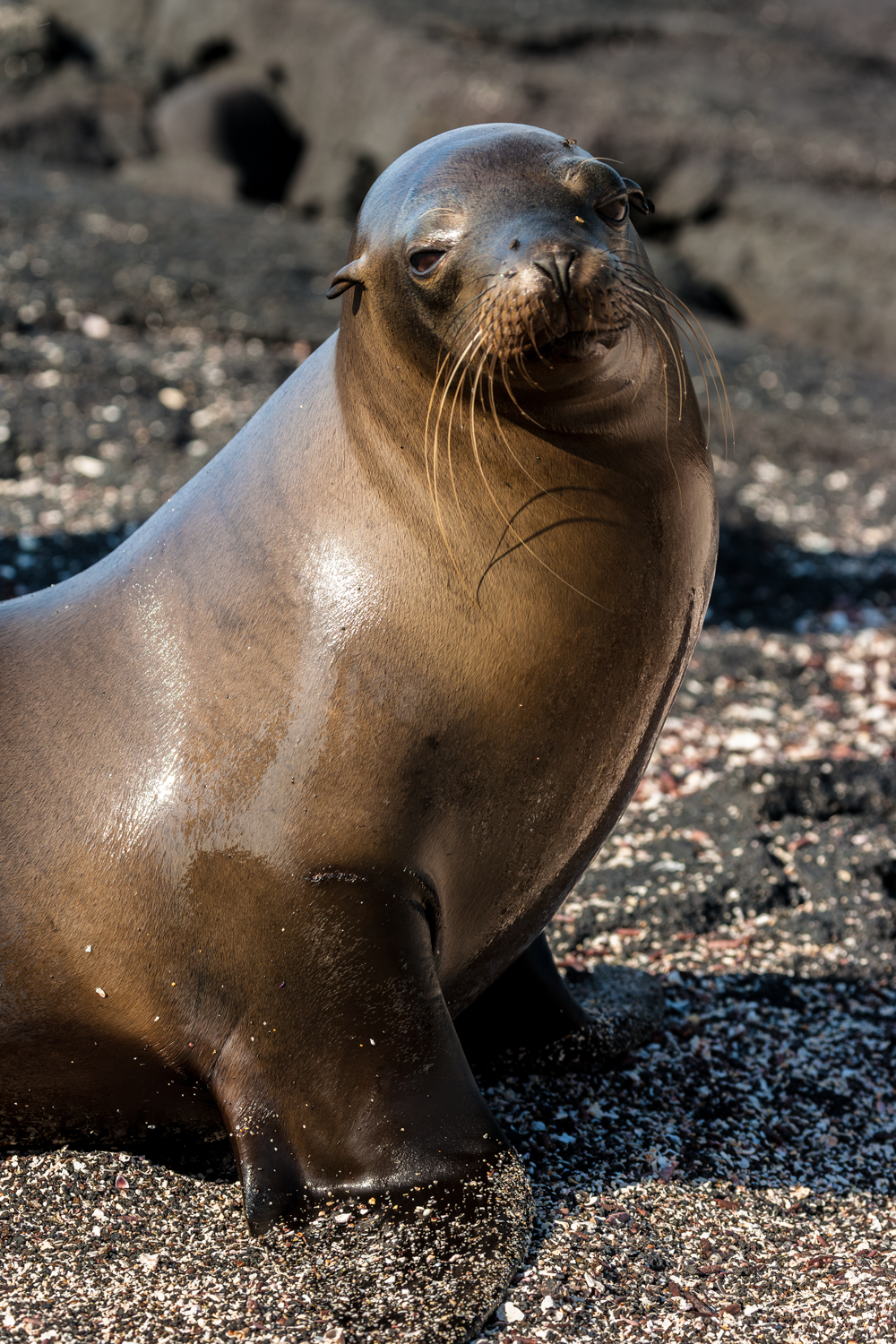
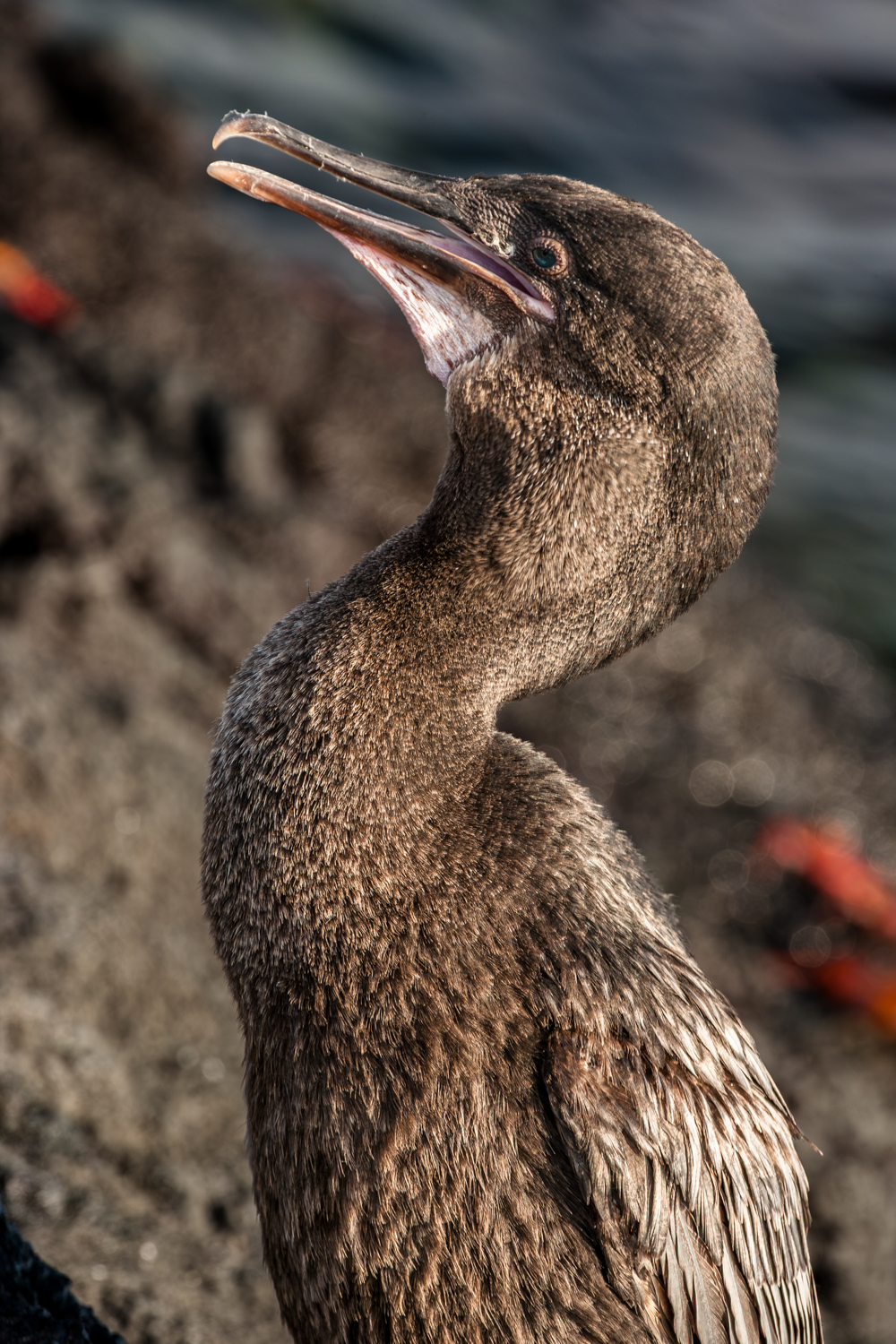
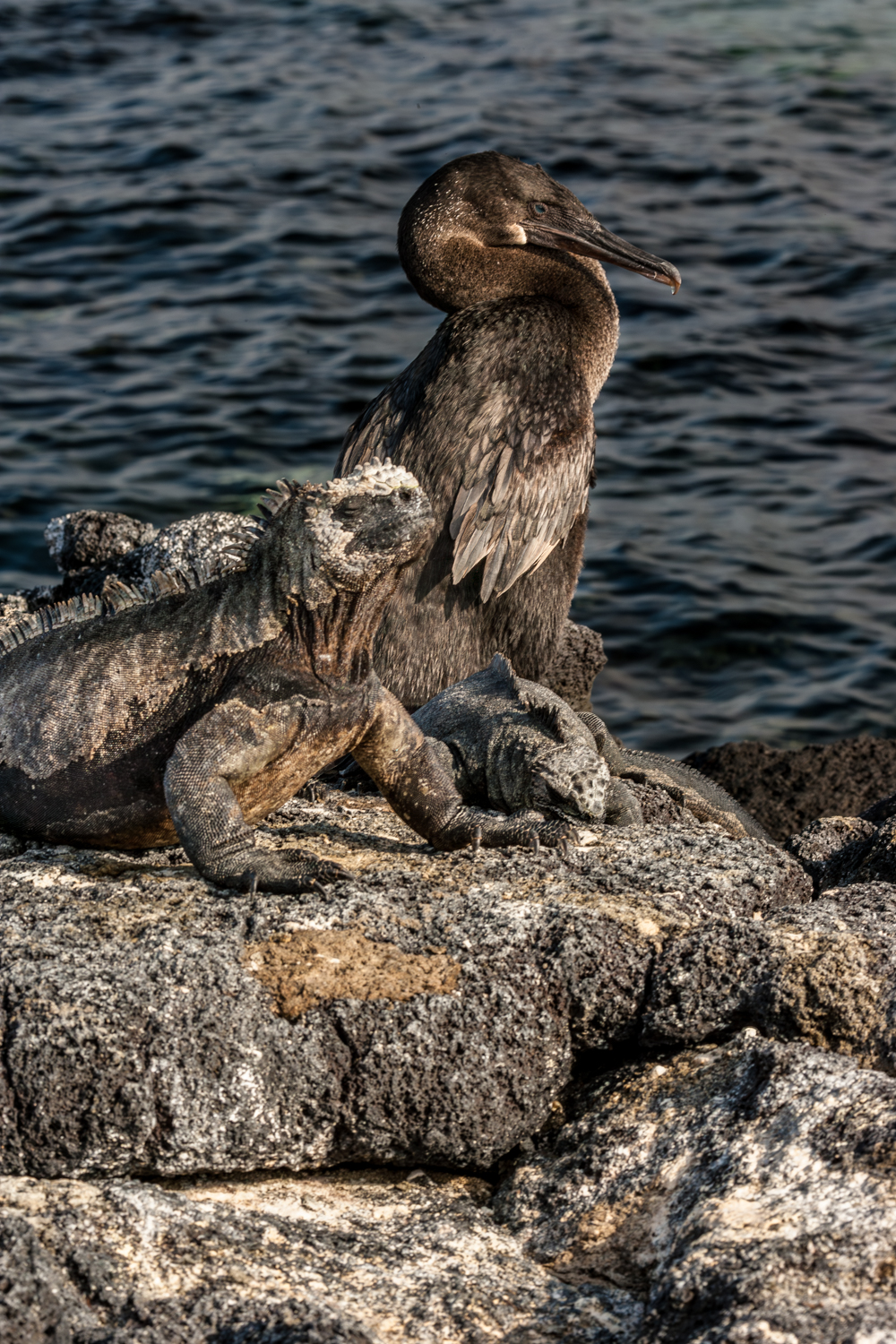
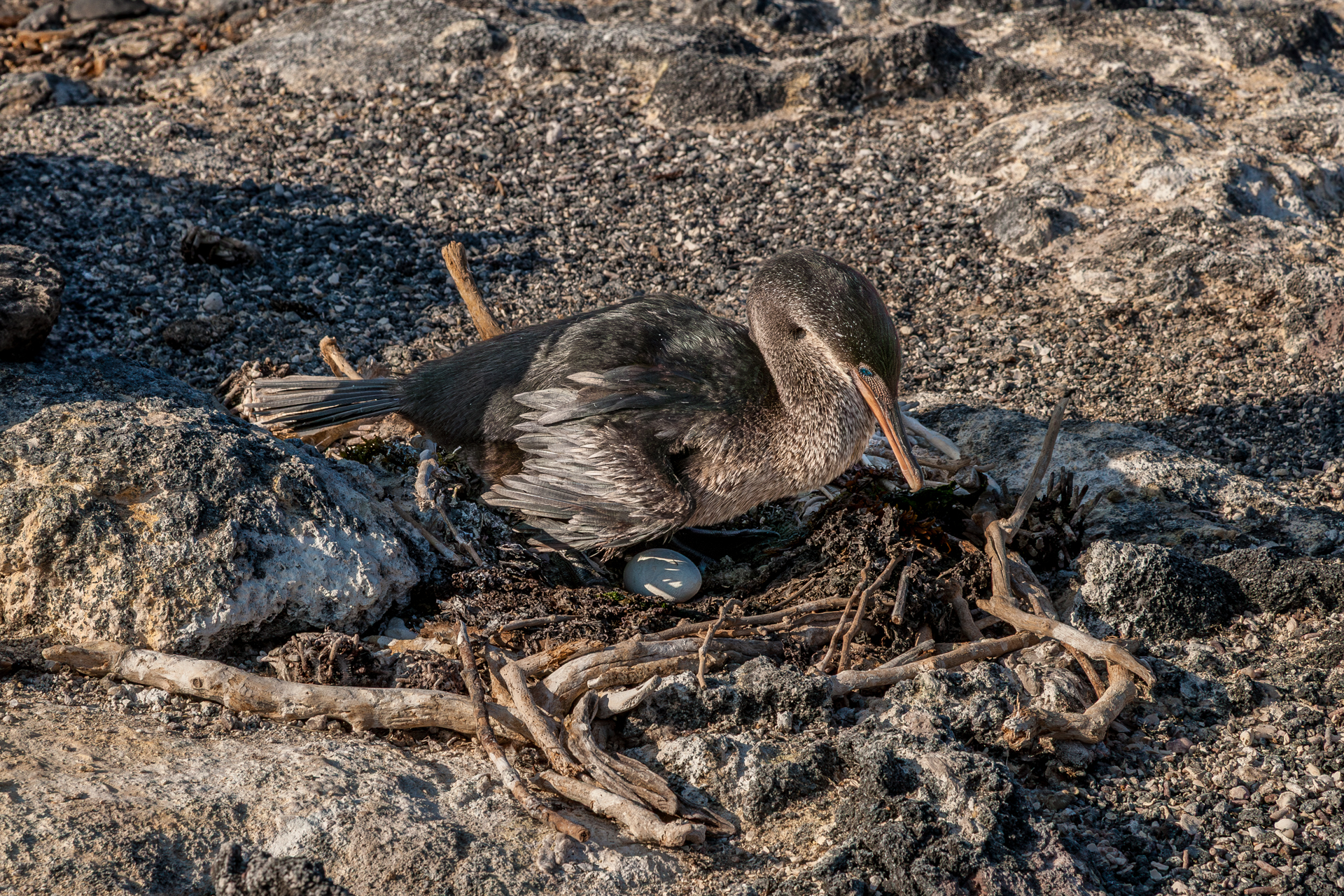
But the Galápagos isn’t just about individual animals it’s about the way everything coexists. Sea lions nap on park benches. Flightless cormorants dry their stubby wings beside bright orange crabs. Birds waddle right up to you without fear. It’s one of the only places I’ve been where wildlife looks at you, not away from you.
By the end of the trip, I felt like I’d been let in on one of nature’s best-kept secrets. The Galápagos are a place where the rules are different, where animals never learned to be afraid of humans and where you start to realize how much beauty the world still holds if you’re willing to slow down and see it.