The Hamar People : Omo Valley, Ethiopia
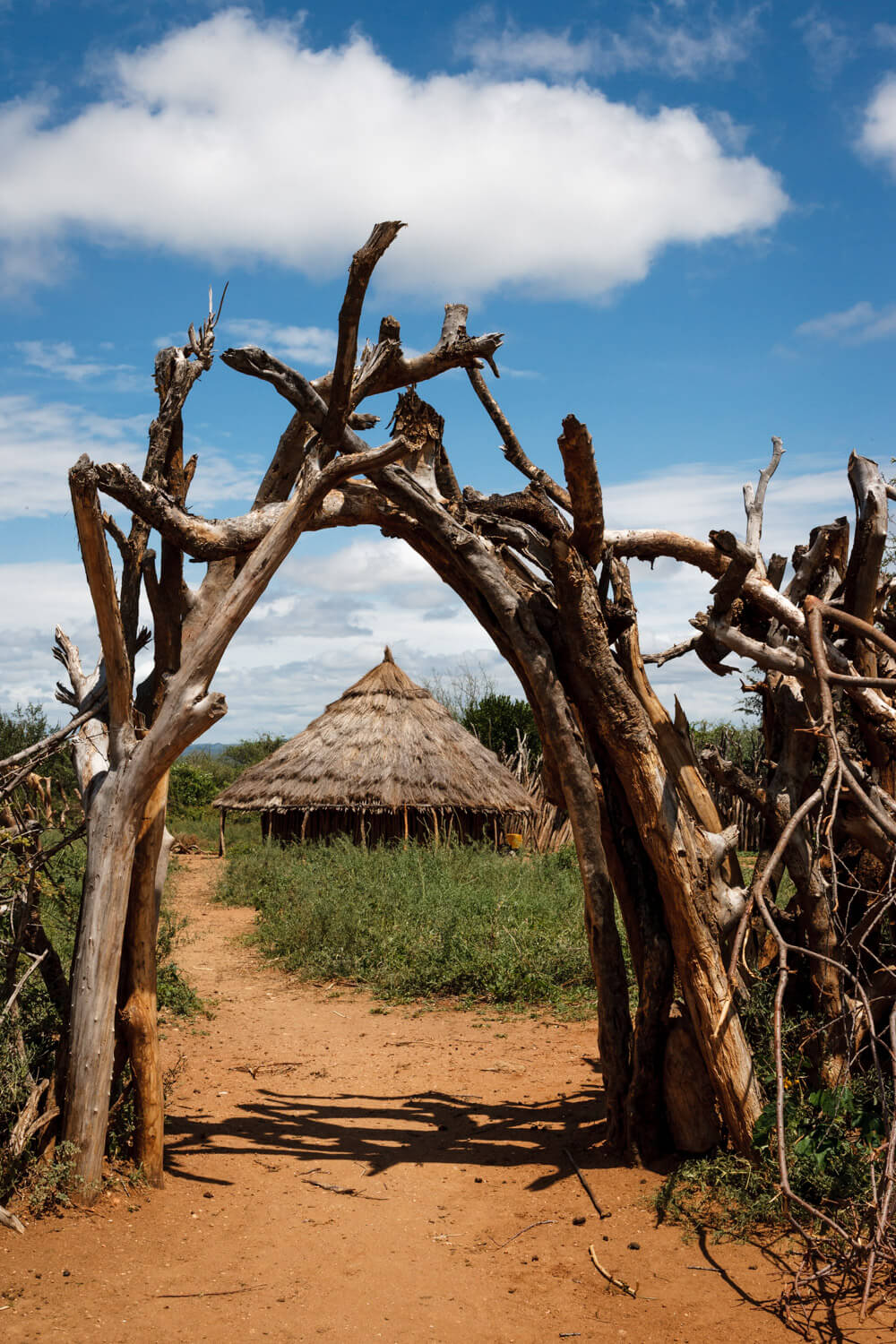
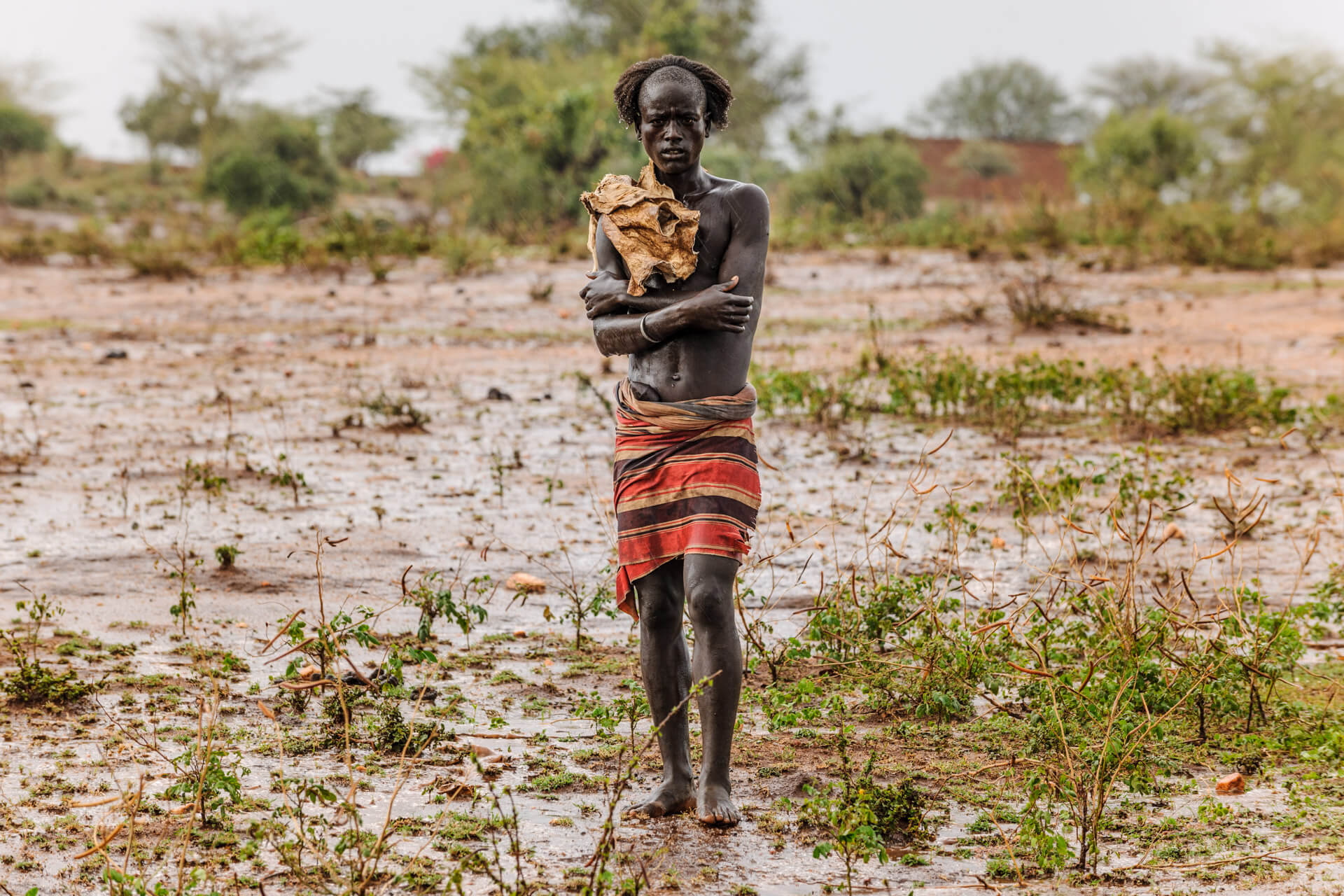
I traveled to the Omo Valley in southwest Ethiopia because National Geographic magazine once called it the last frontier in Africa. For many years, I visited the tribes of this region, drawn by their distinct cultures, rituals, and relationship with the land. Over that time, I witnessed profound changes.
Development over the last 15 to 20 years has dramatically altered the Omo Valley. Vast stretches of savanna and bushland were destroyed to make way for large-scale farming and irrigation infrastructure. They also caused significant environmental damage, displacing wildlife, altering river flow, and putting pressure on an already fragile ecosystem. Despite this, the region remains rich in biodiversity, home to abundant birdlife, fish, and crocodiles.
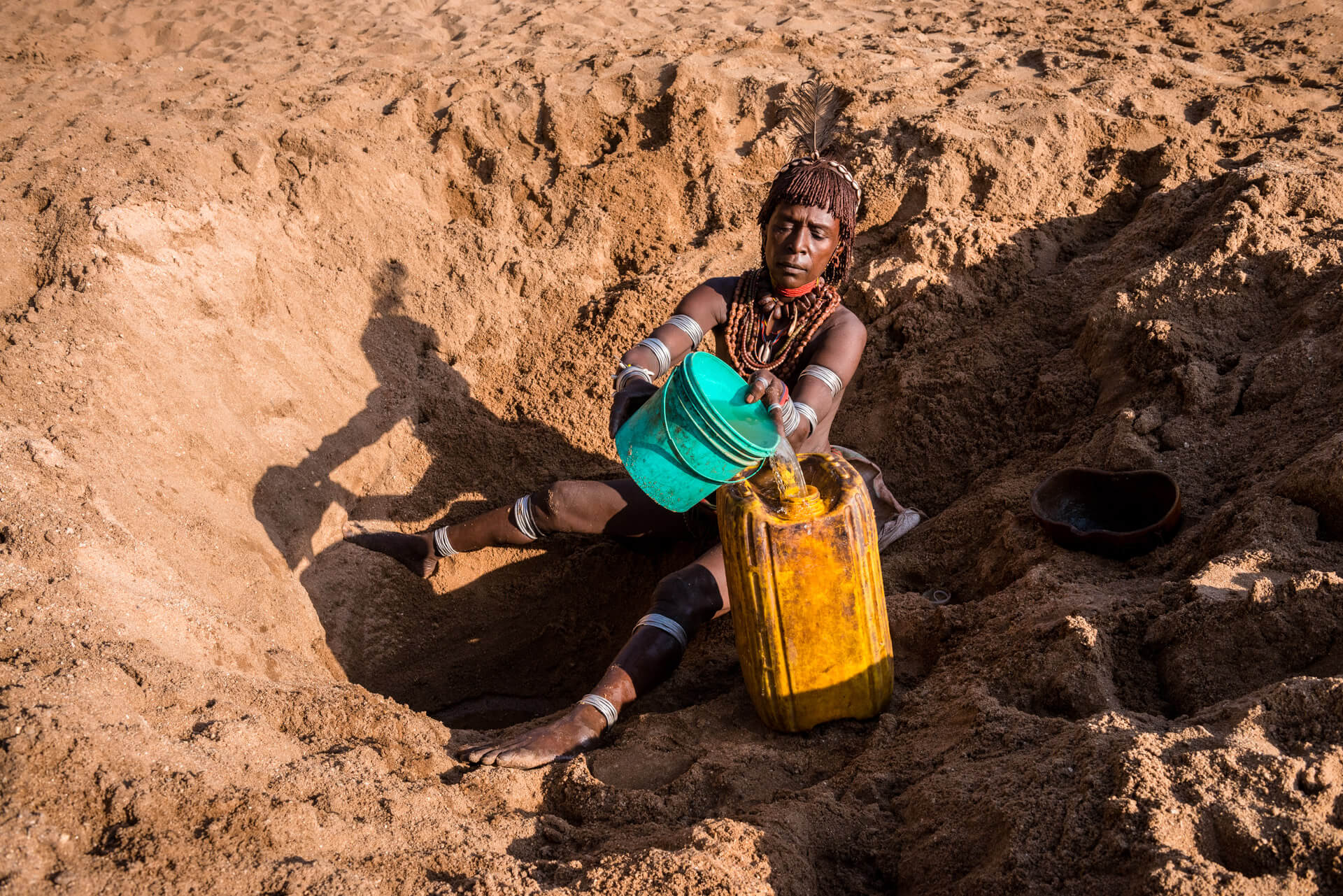
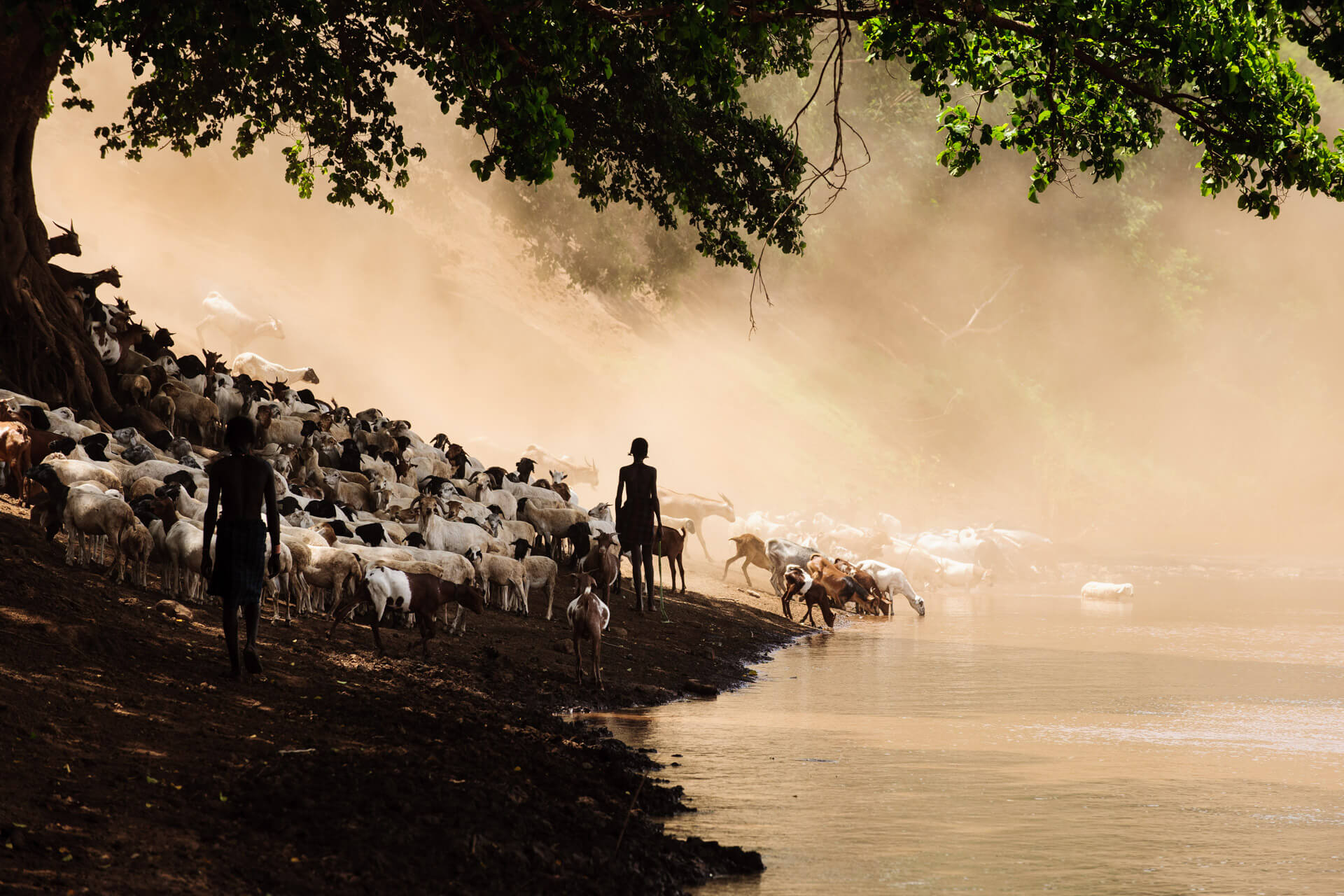
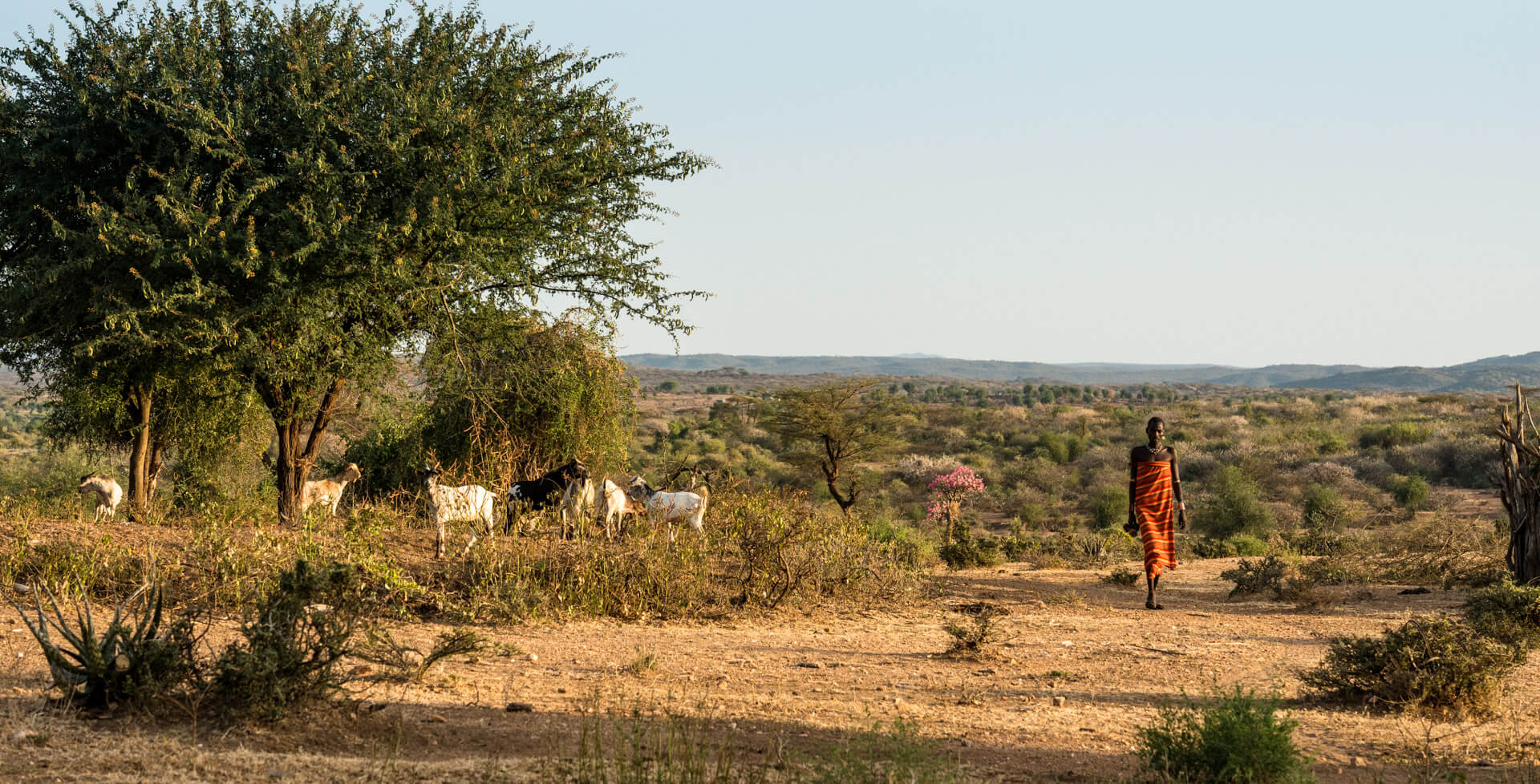
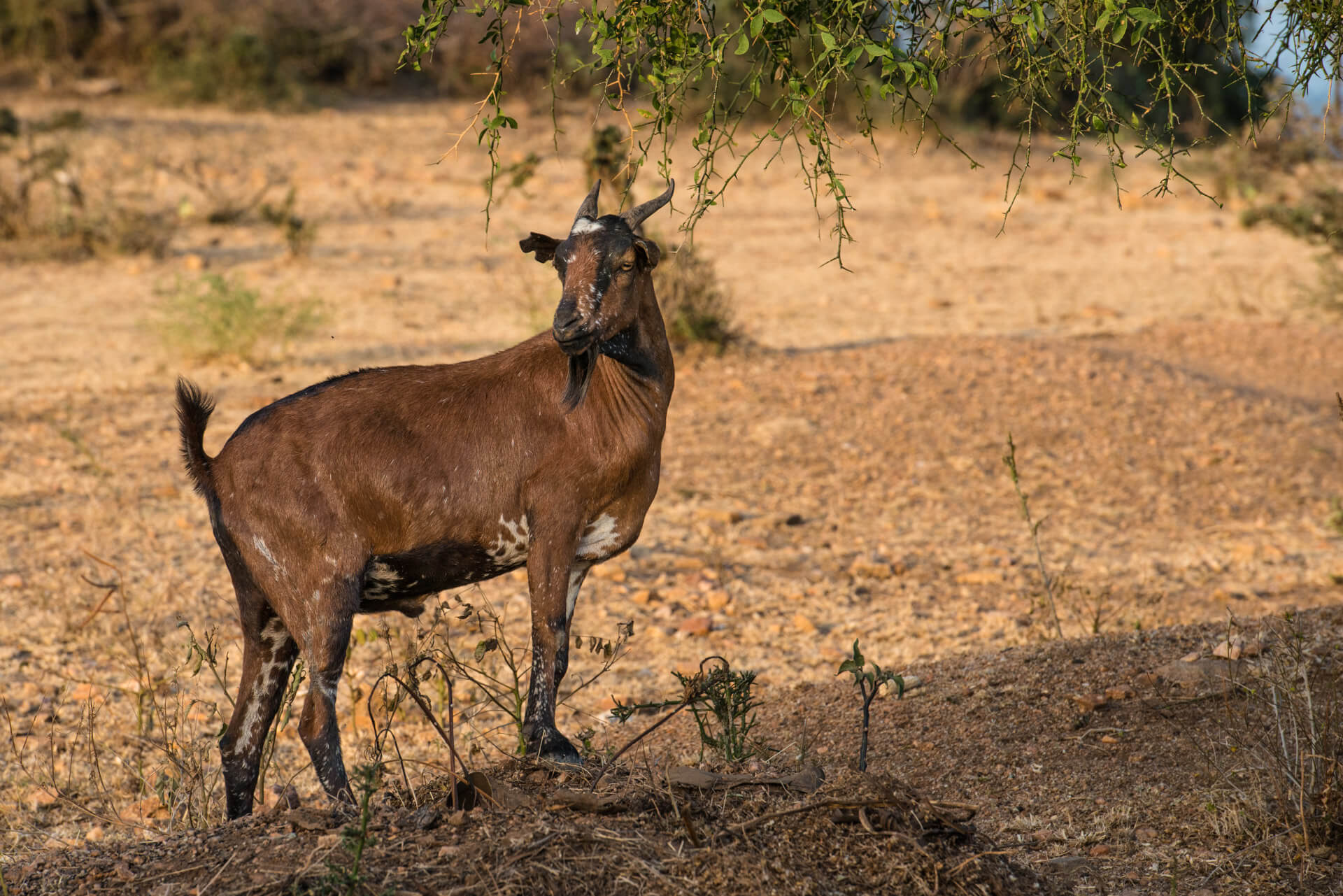
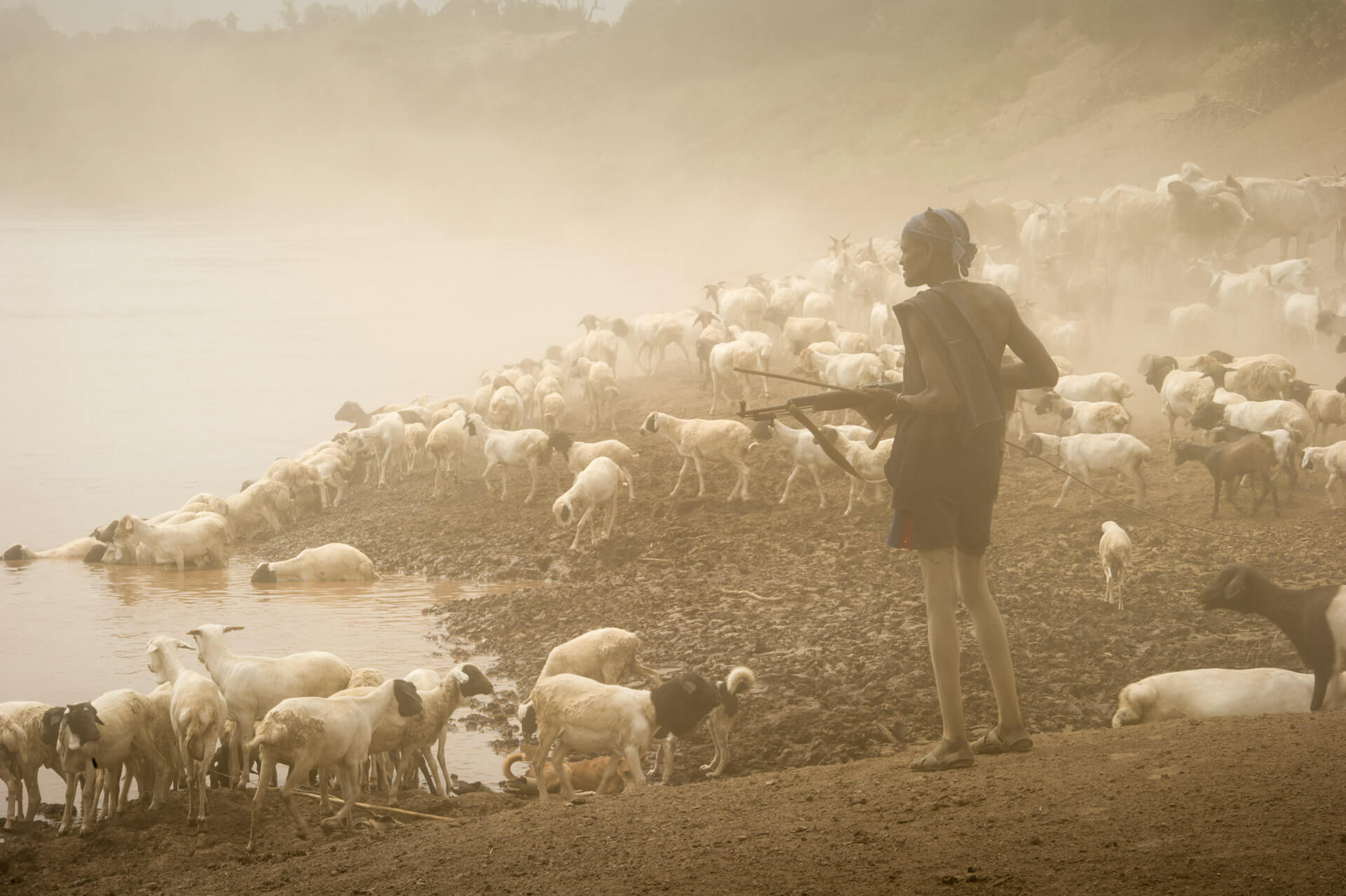
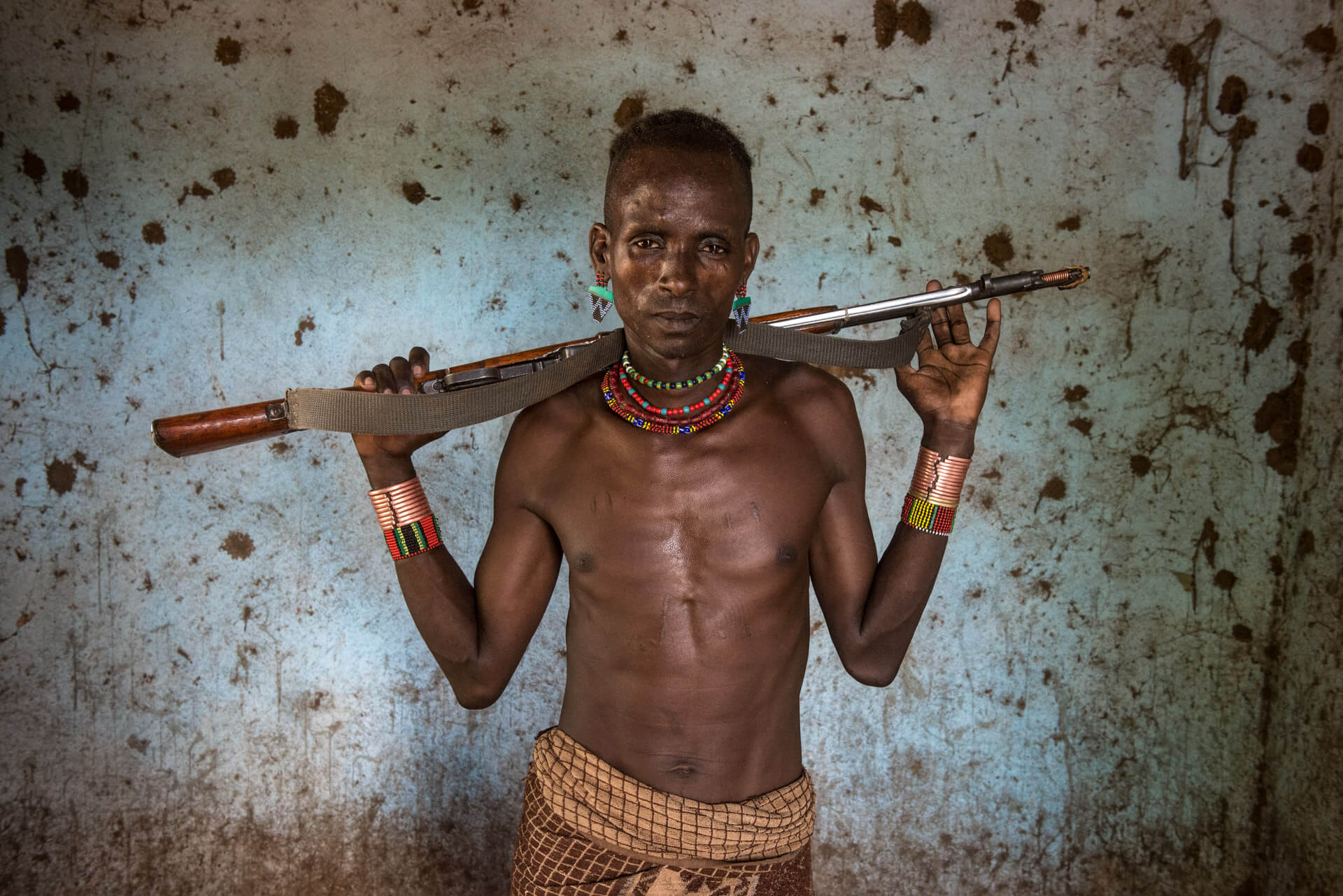
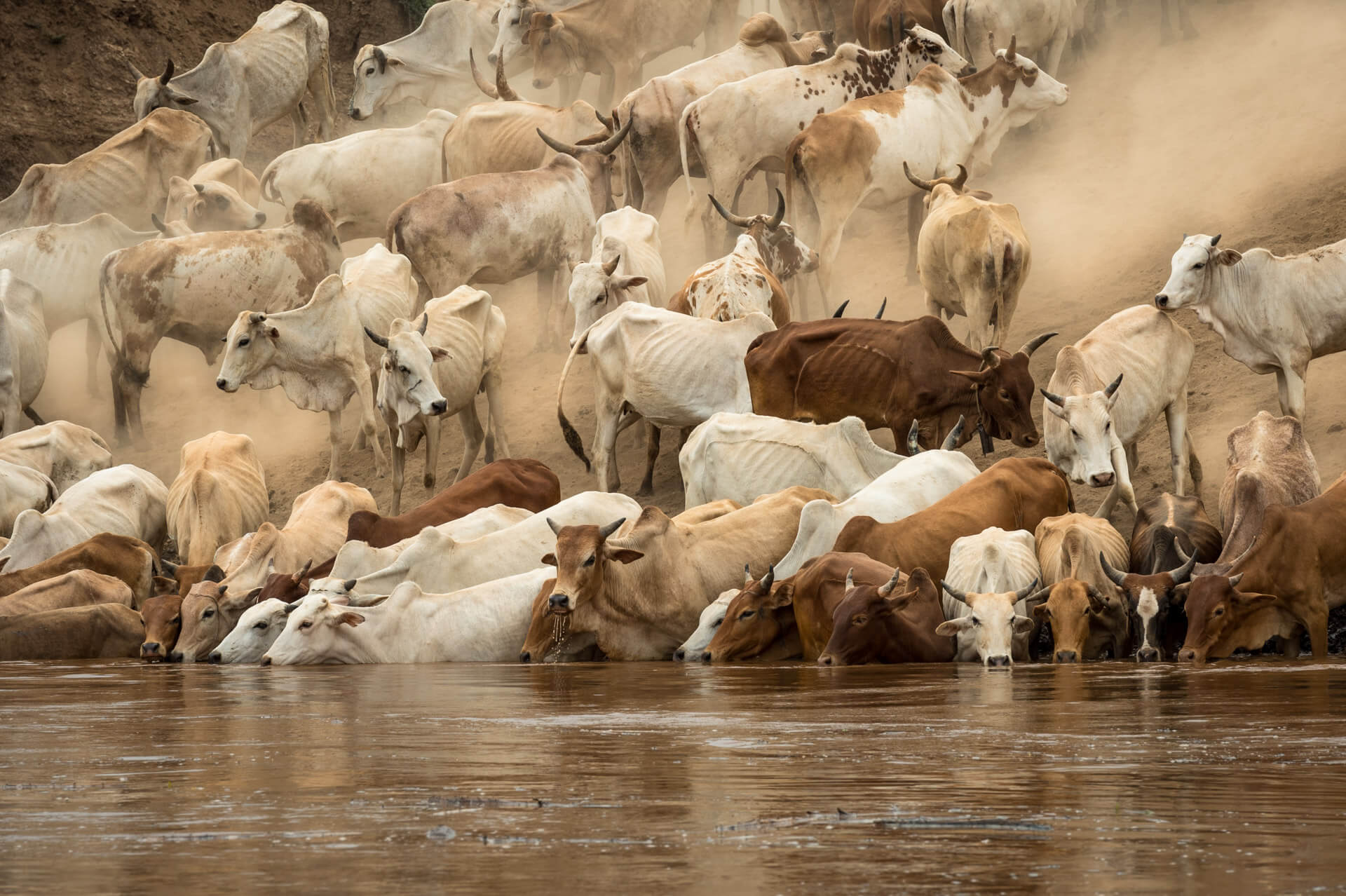
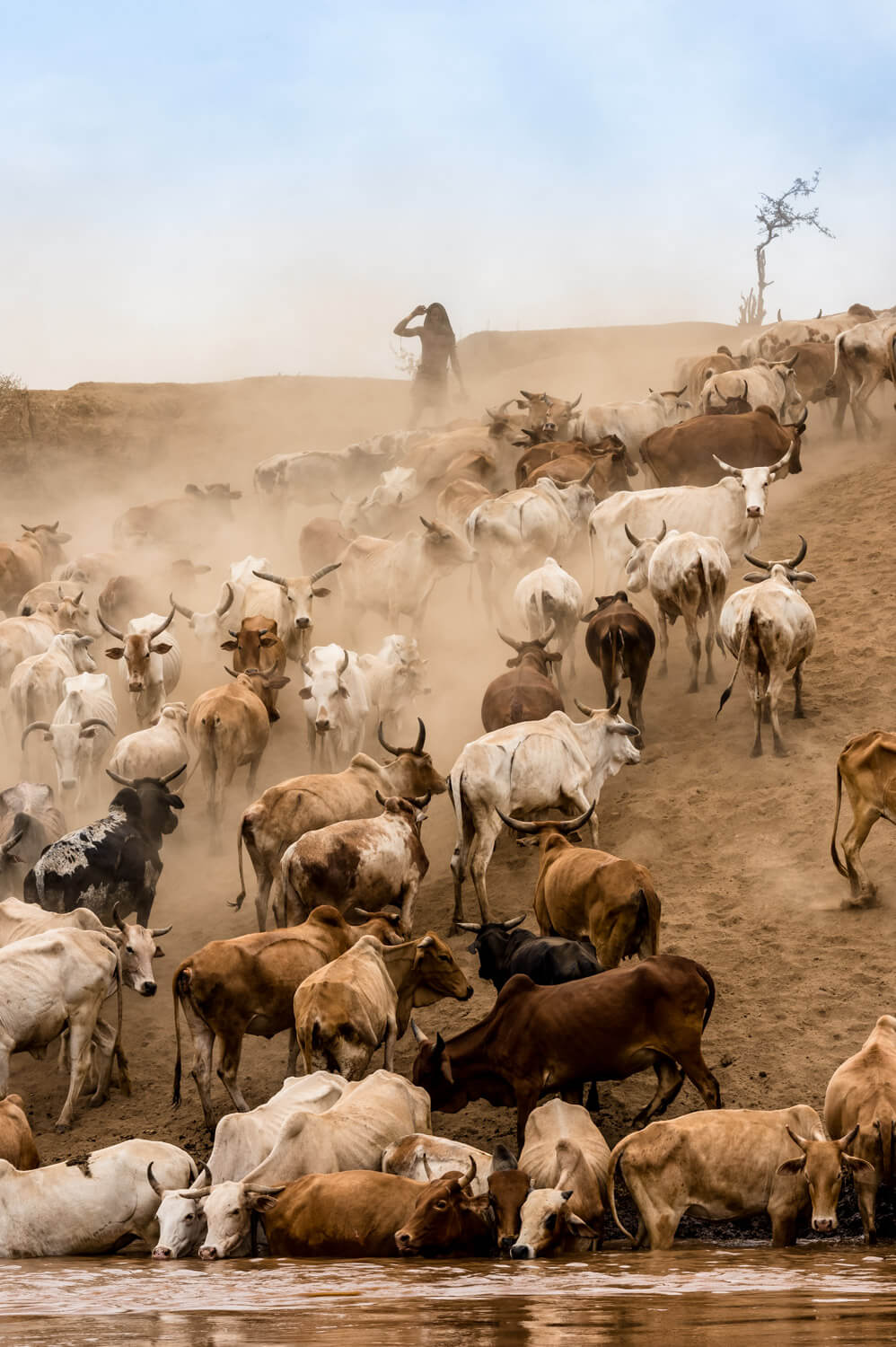
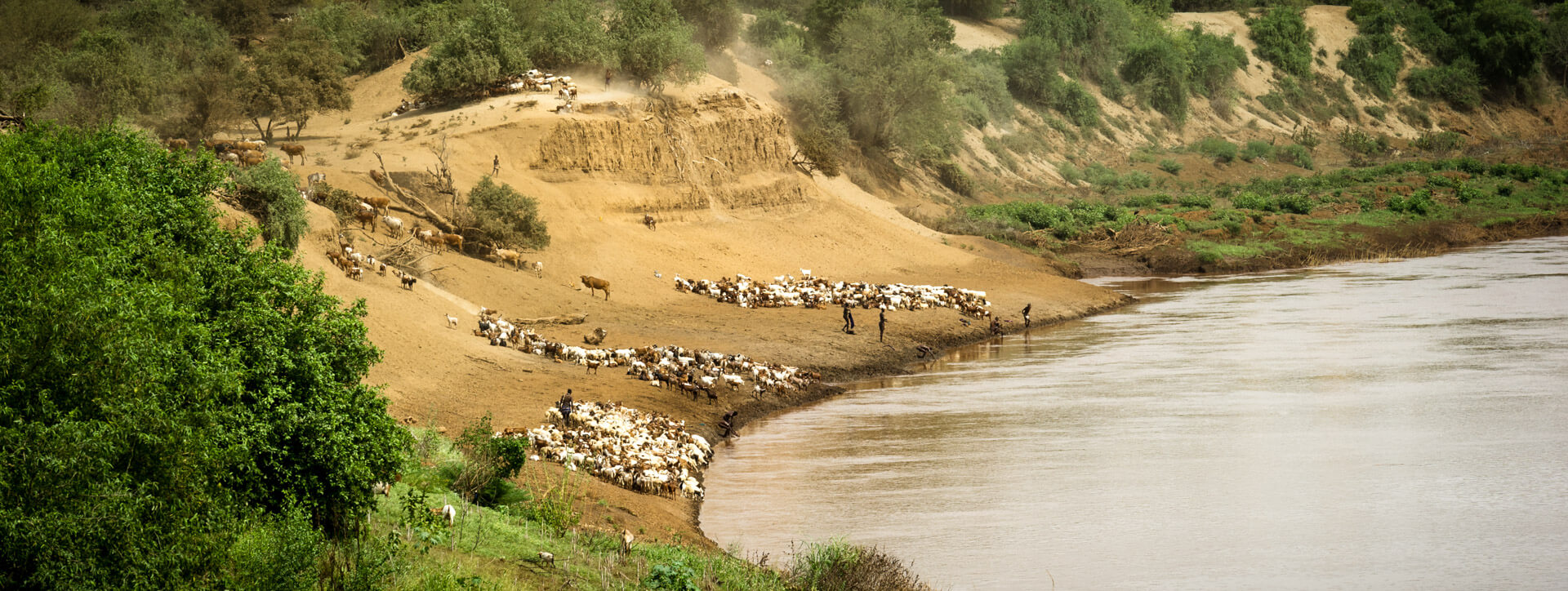
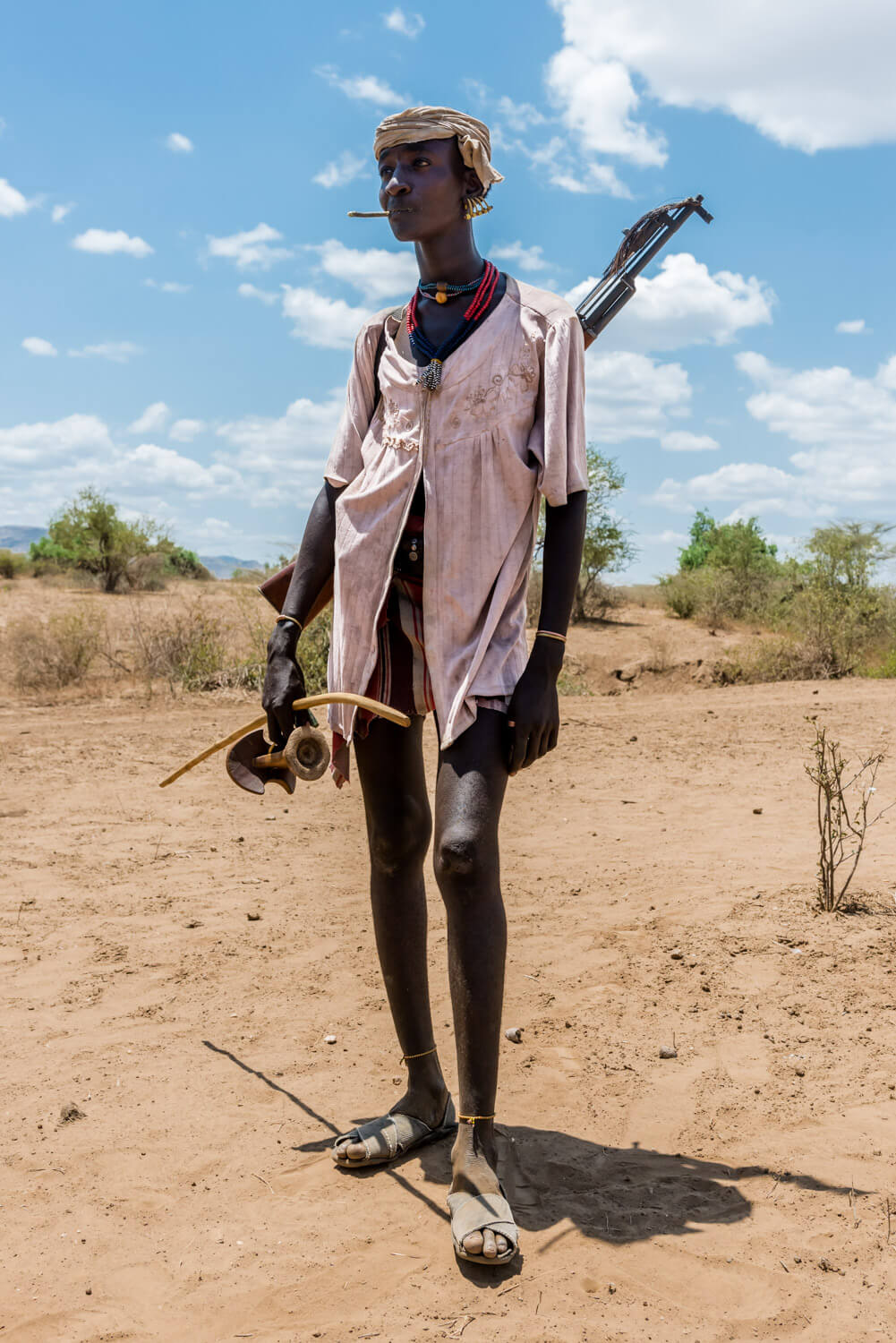
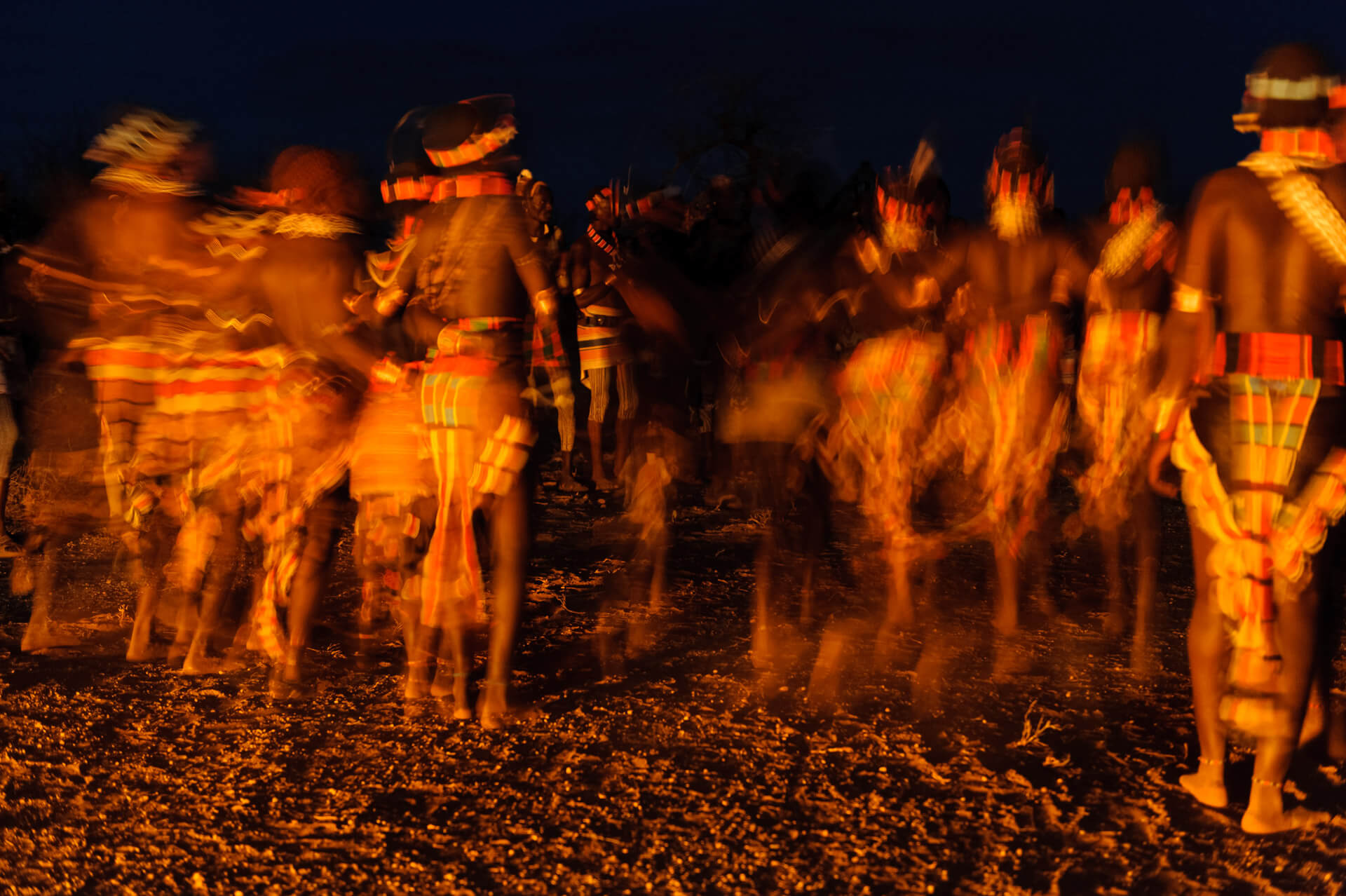
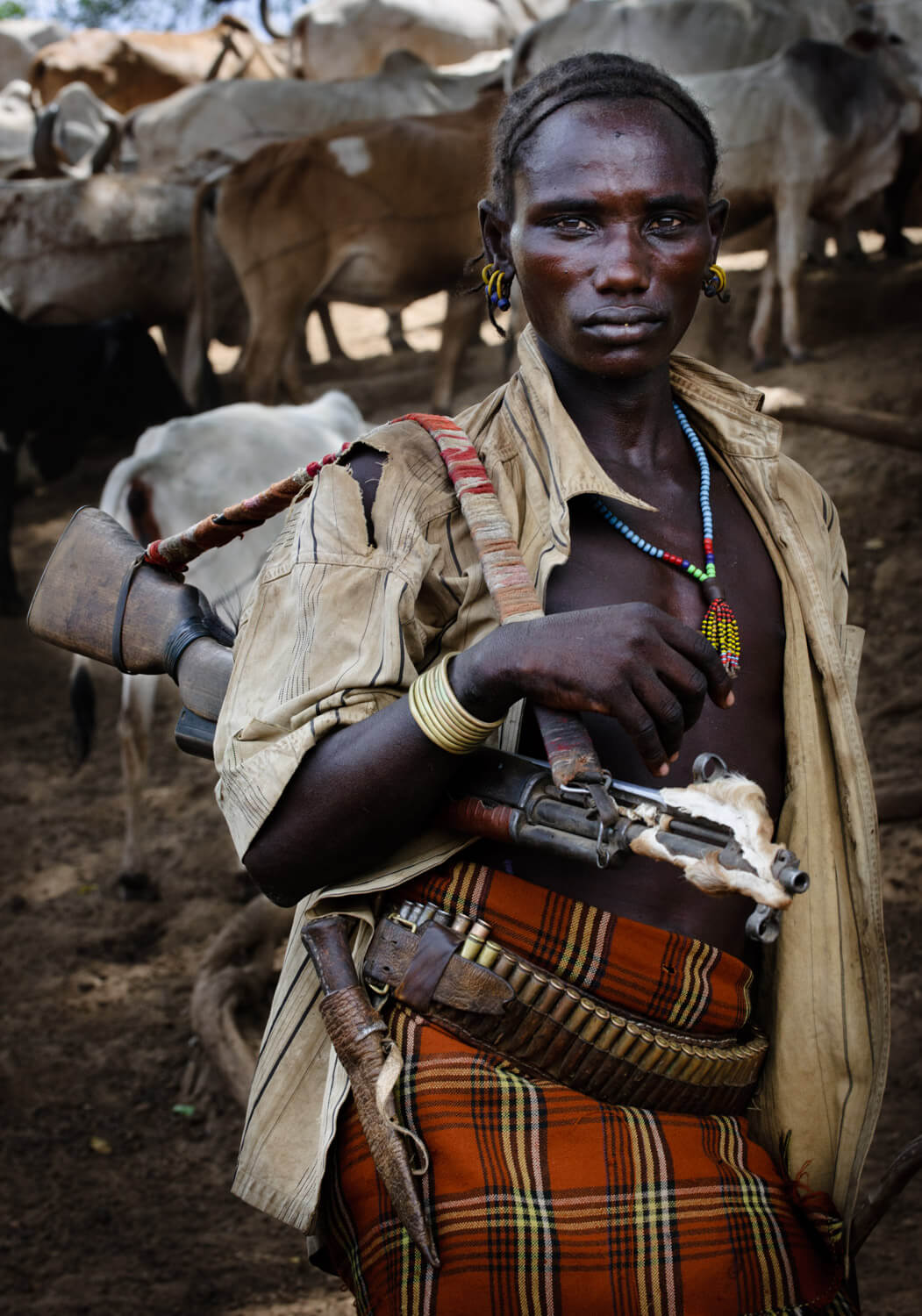
Among the tribes, the Hamar people stood out to me. Cattle and goats are central to their lives, and they guide their animals to water at the Omo River, passing through land shared with the Kara tribe. These routes are not without tension, many tribespeople are armed with AK-47s, and territorial disputes sometimes escalate into violent conflict.
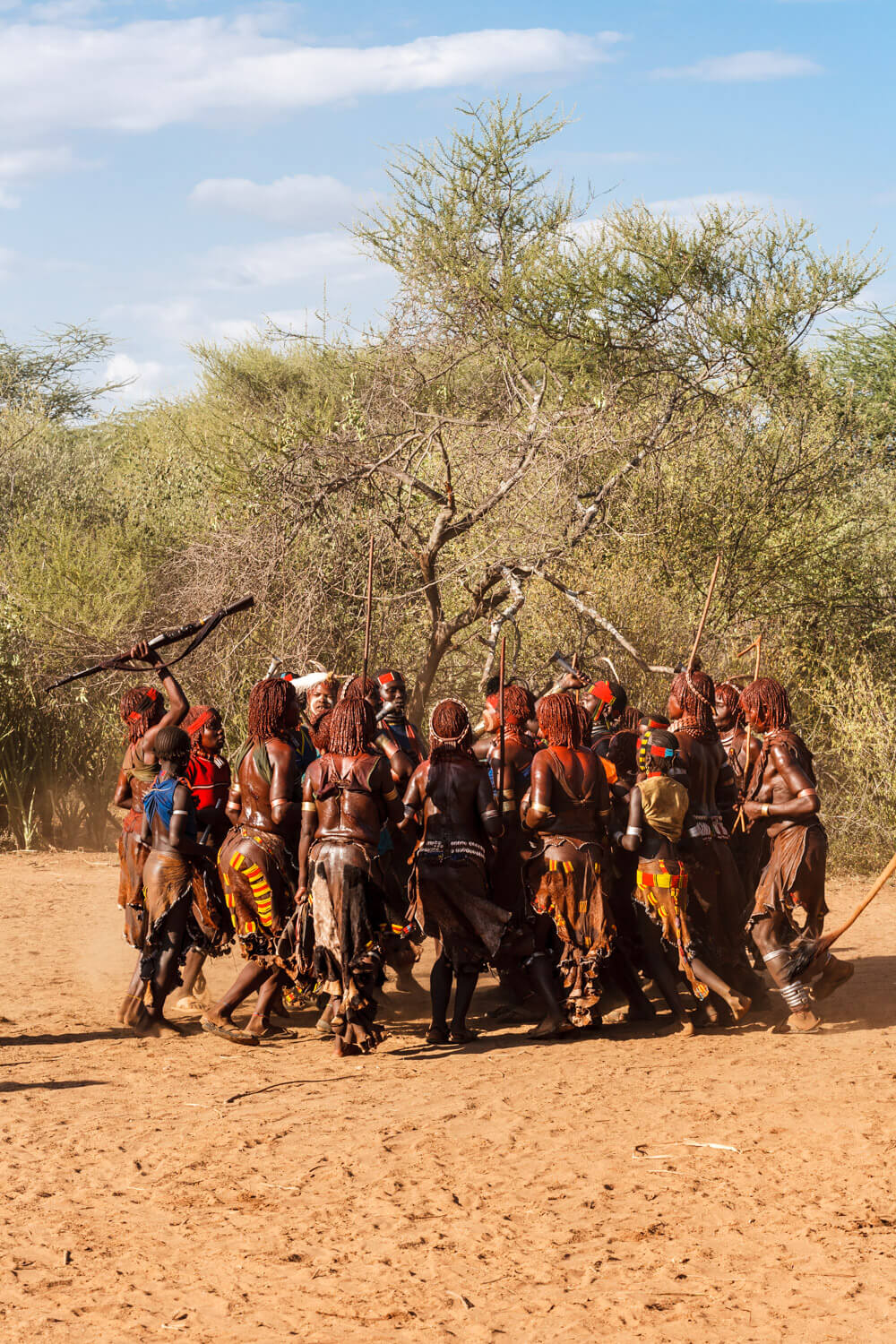
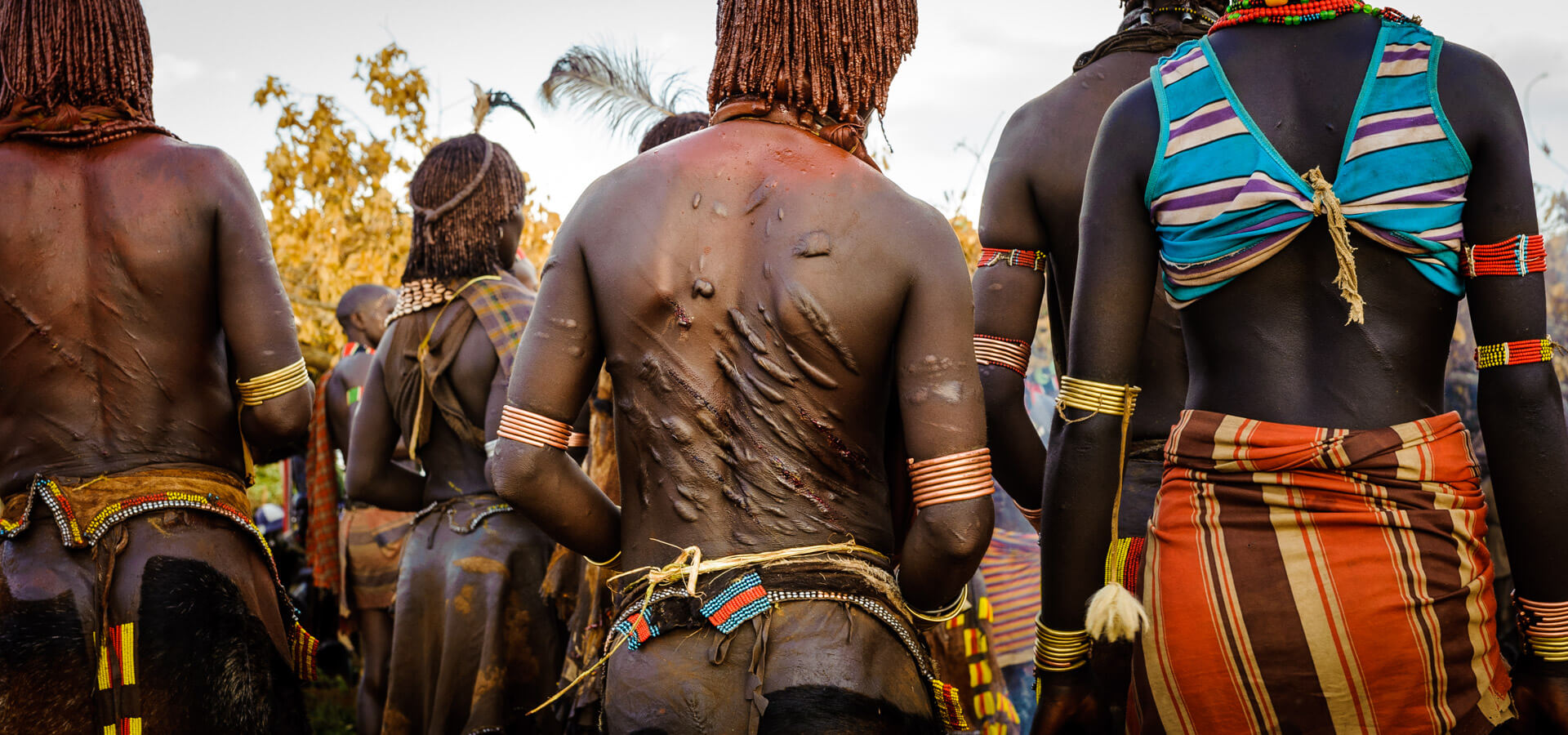
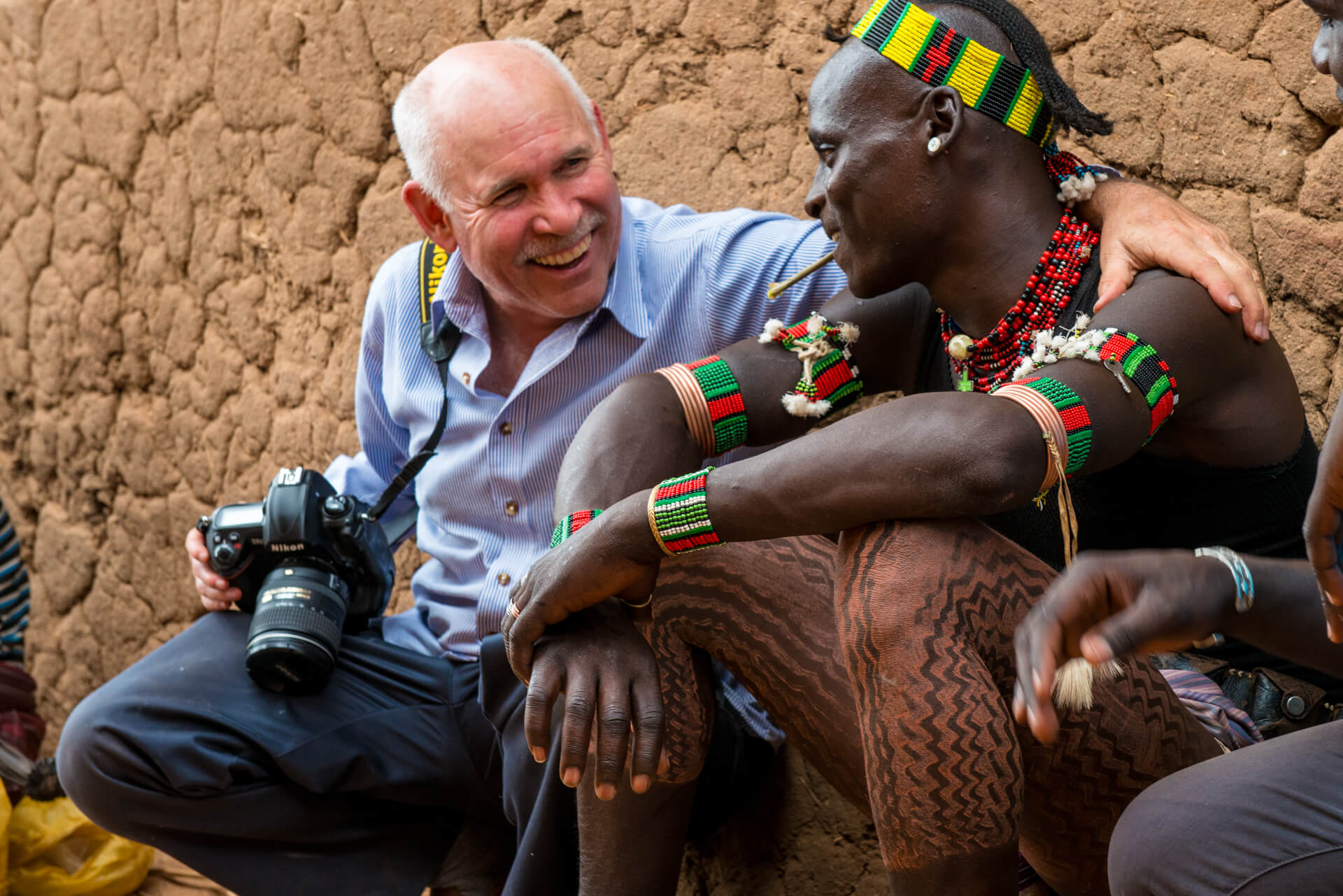
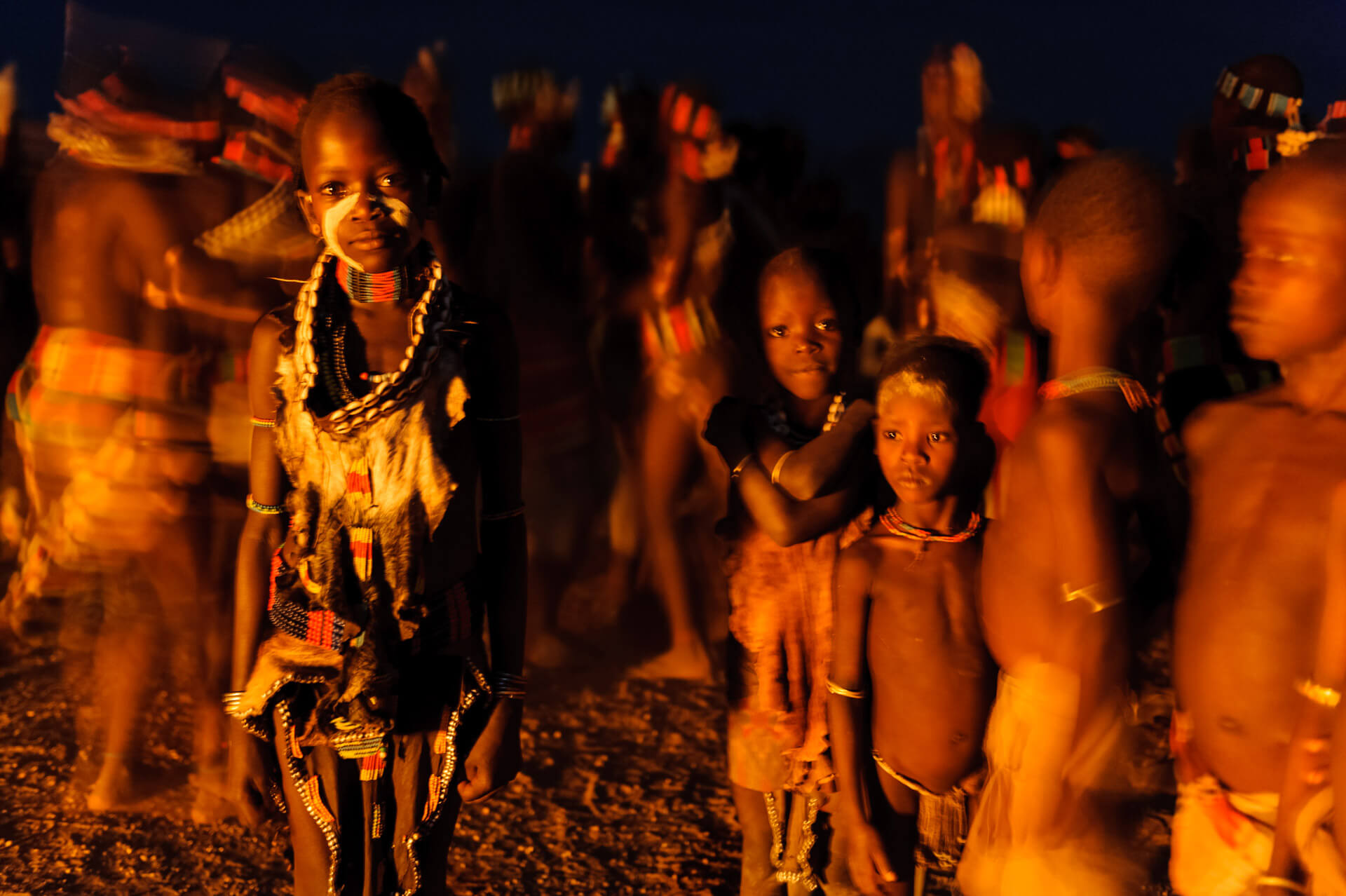
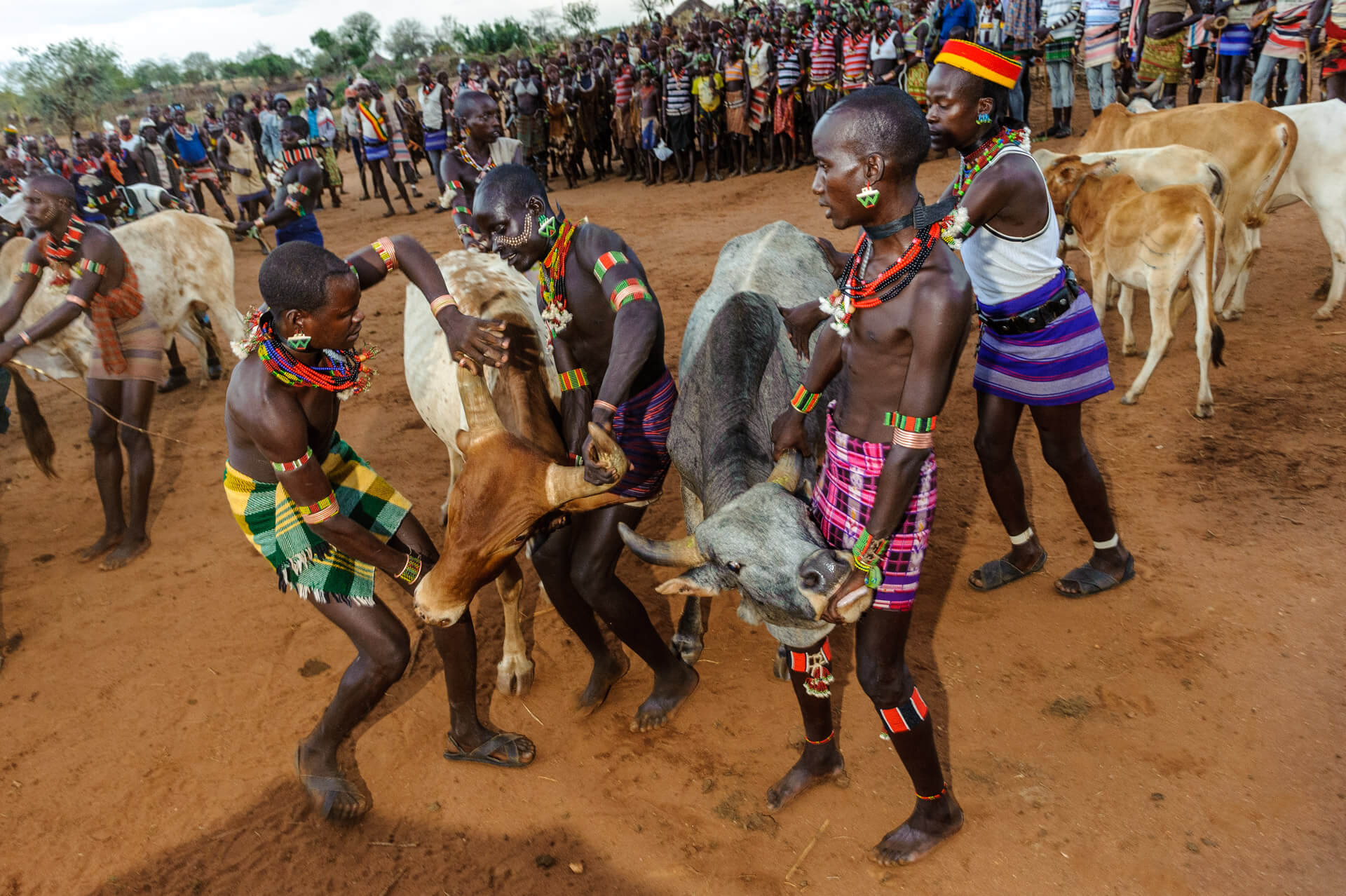
For over a decade, my driver and friend, Fuad, safely navigated us through tribal territories, flood zones, and conflict areas. He was the most conscientious, grounded guide I’ve ever had and that is no small thing, considering the conditions. Fuad and I grew close over the years. Together, we witnessed ceremonies and daily life across multiple tribes. One moment that stayed with us both was the Hamar's bull-jumping ceremony, a coming-of-age ritual for young men. Before the jump, female relatives are whipped, a display of loyalty and support that leaves permanent scars. It’s a ceremony layered with meaning, beauty, and pain.
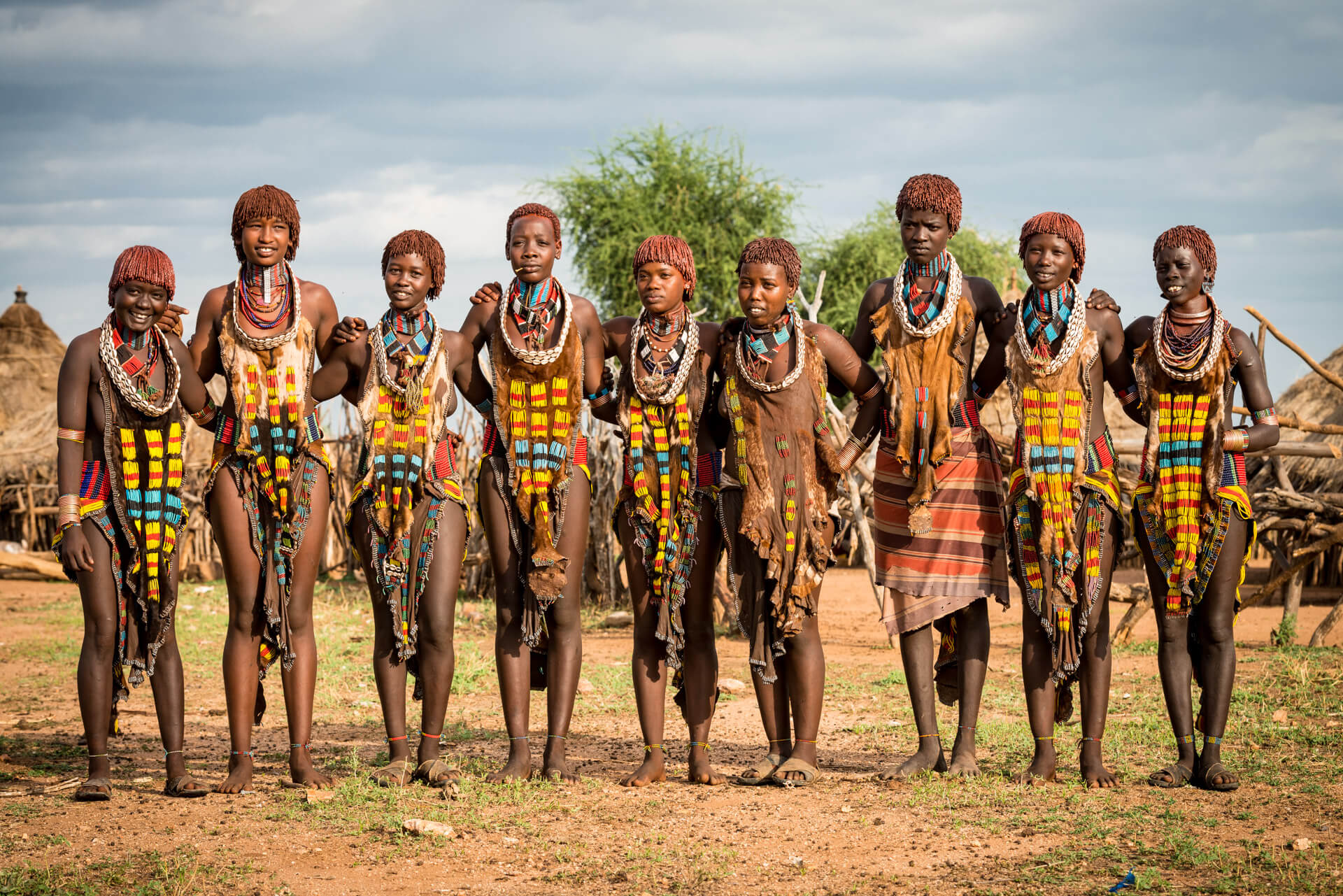
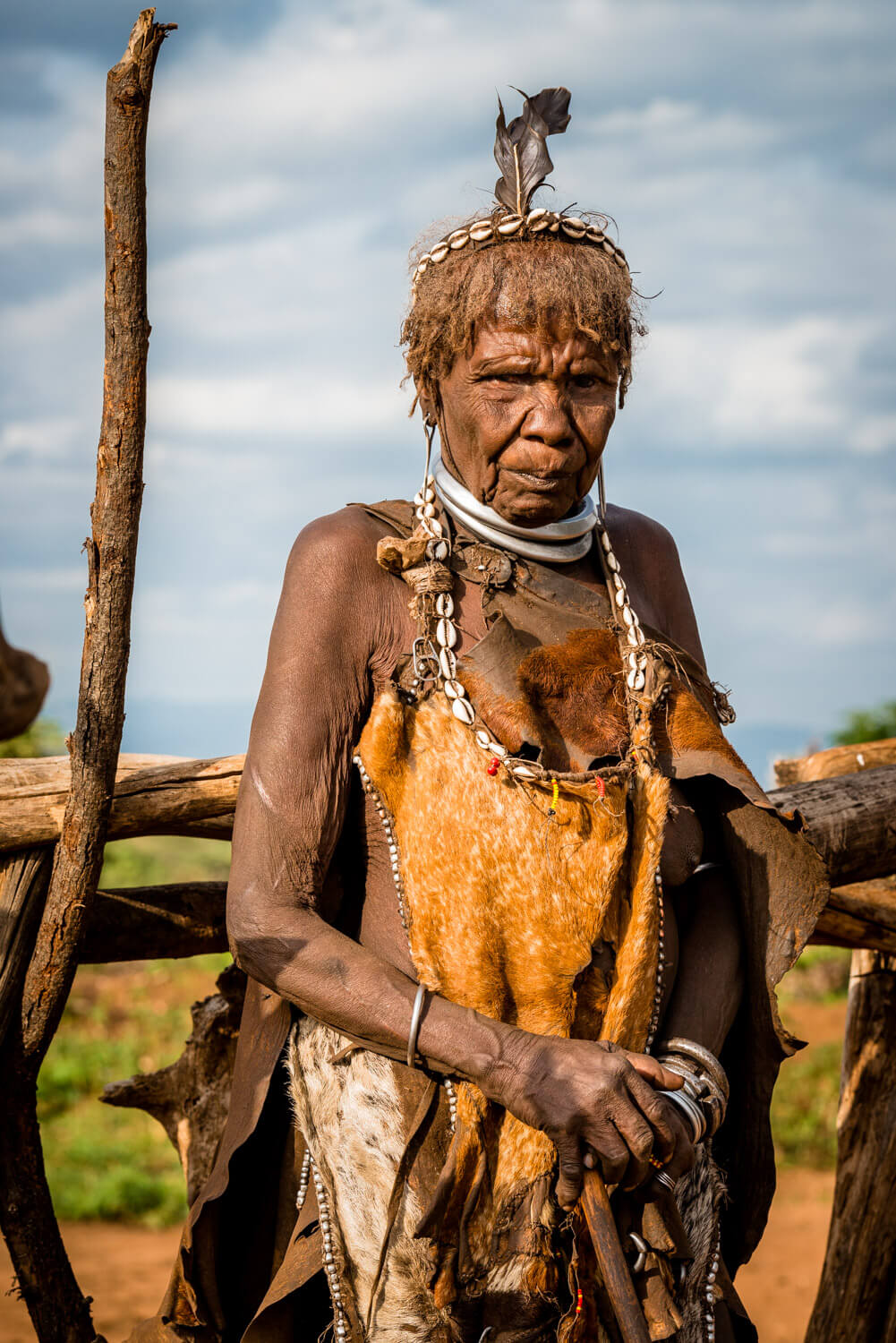
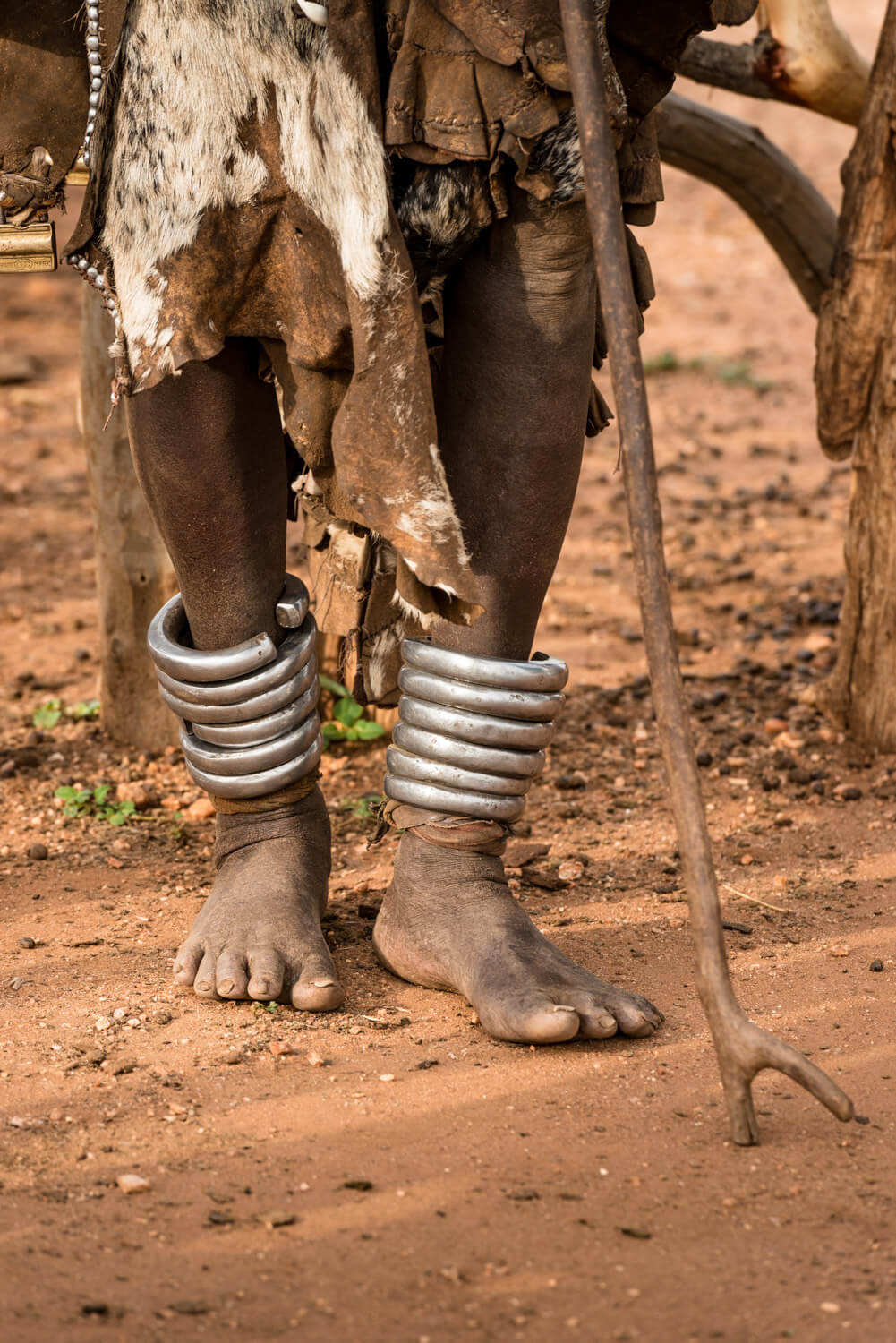
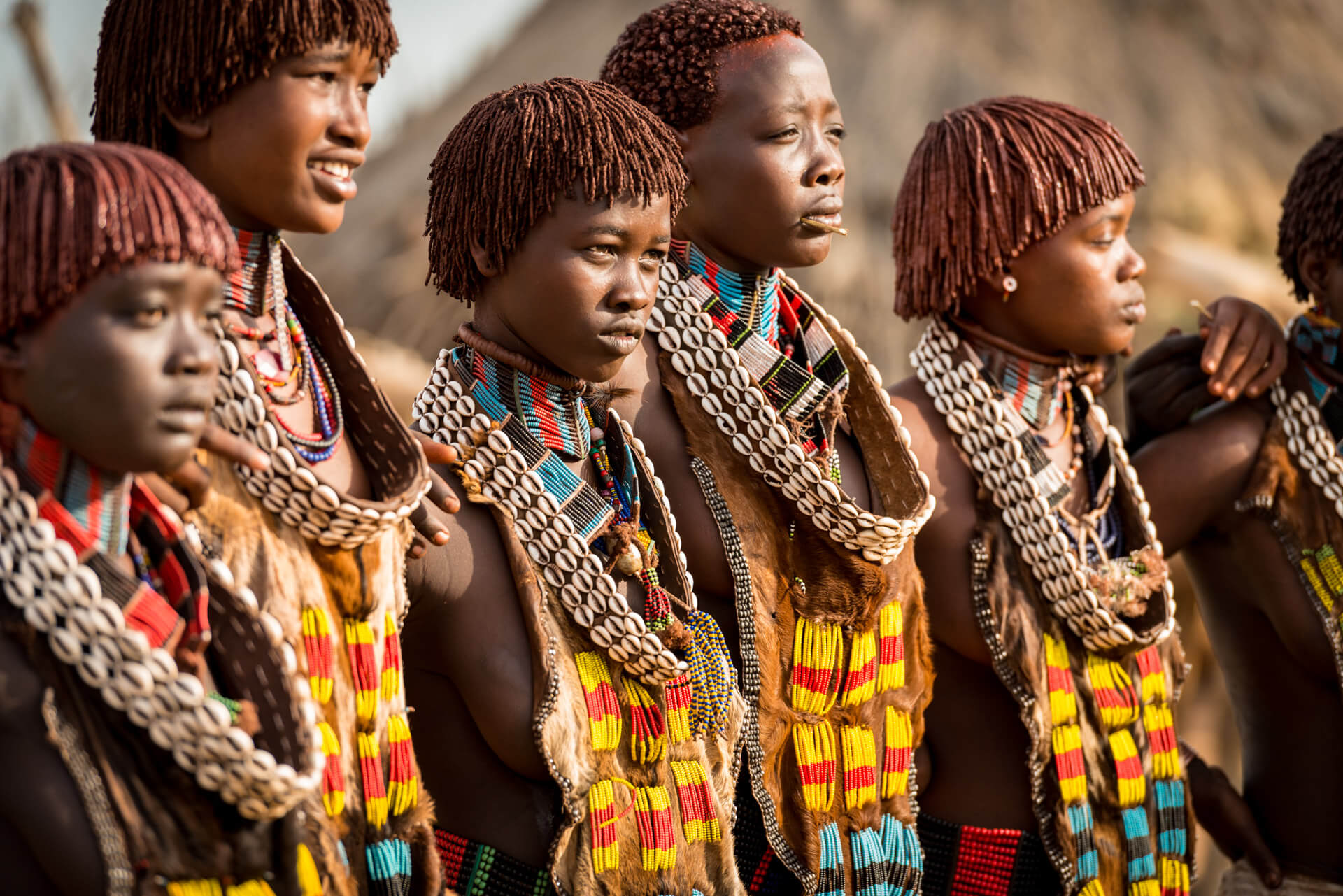
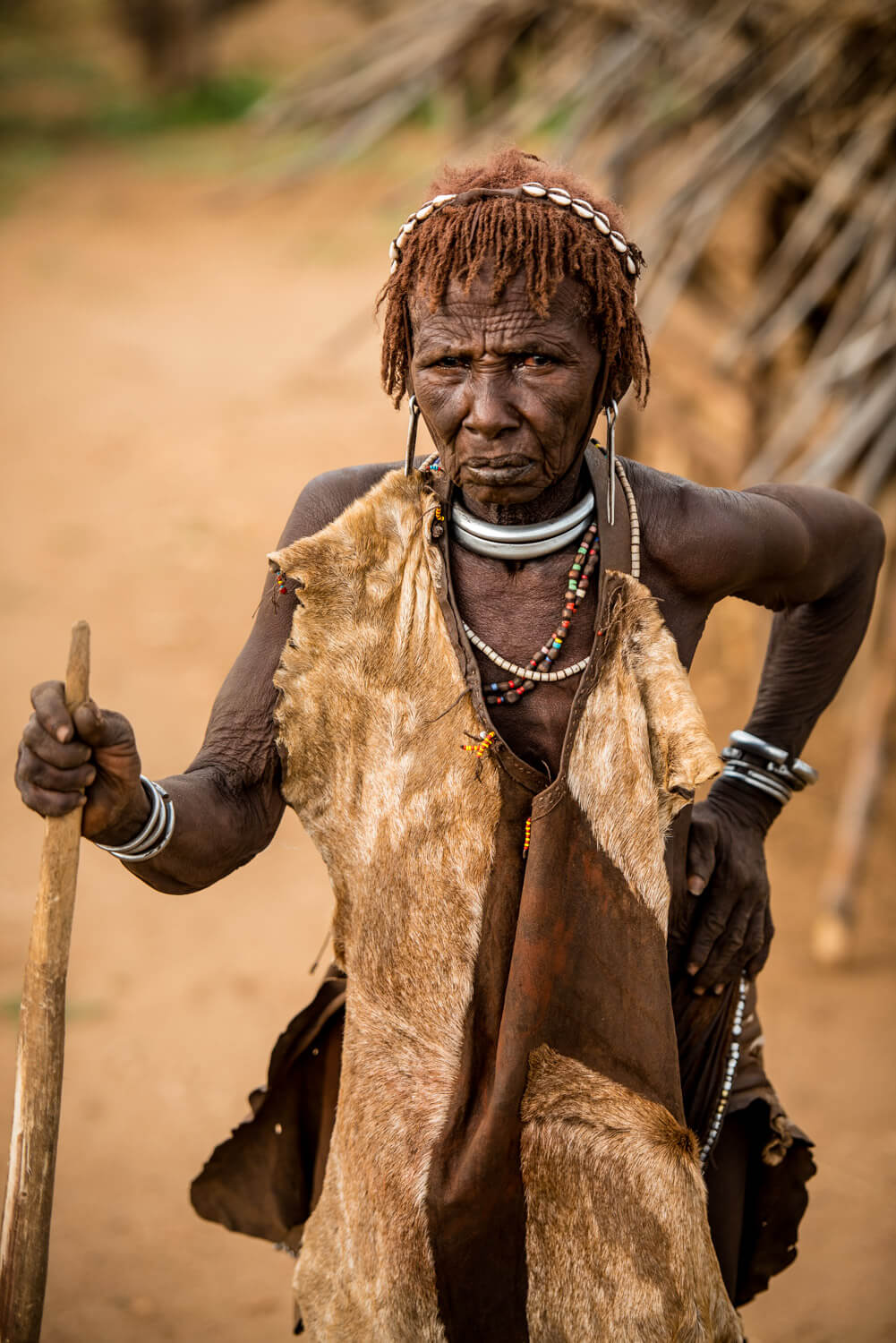
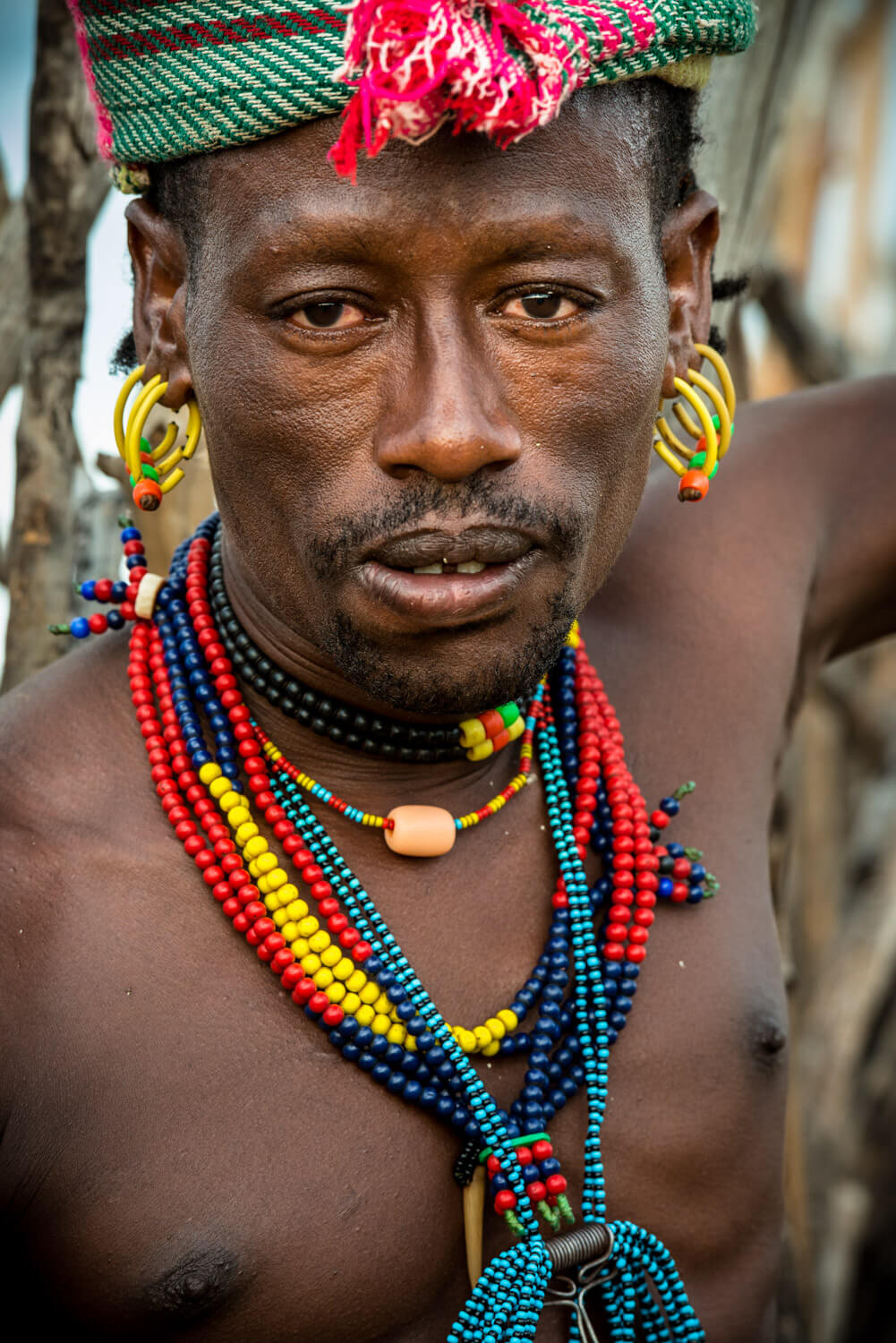
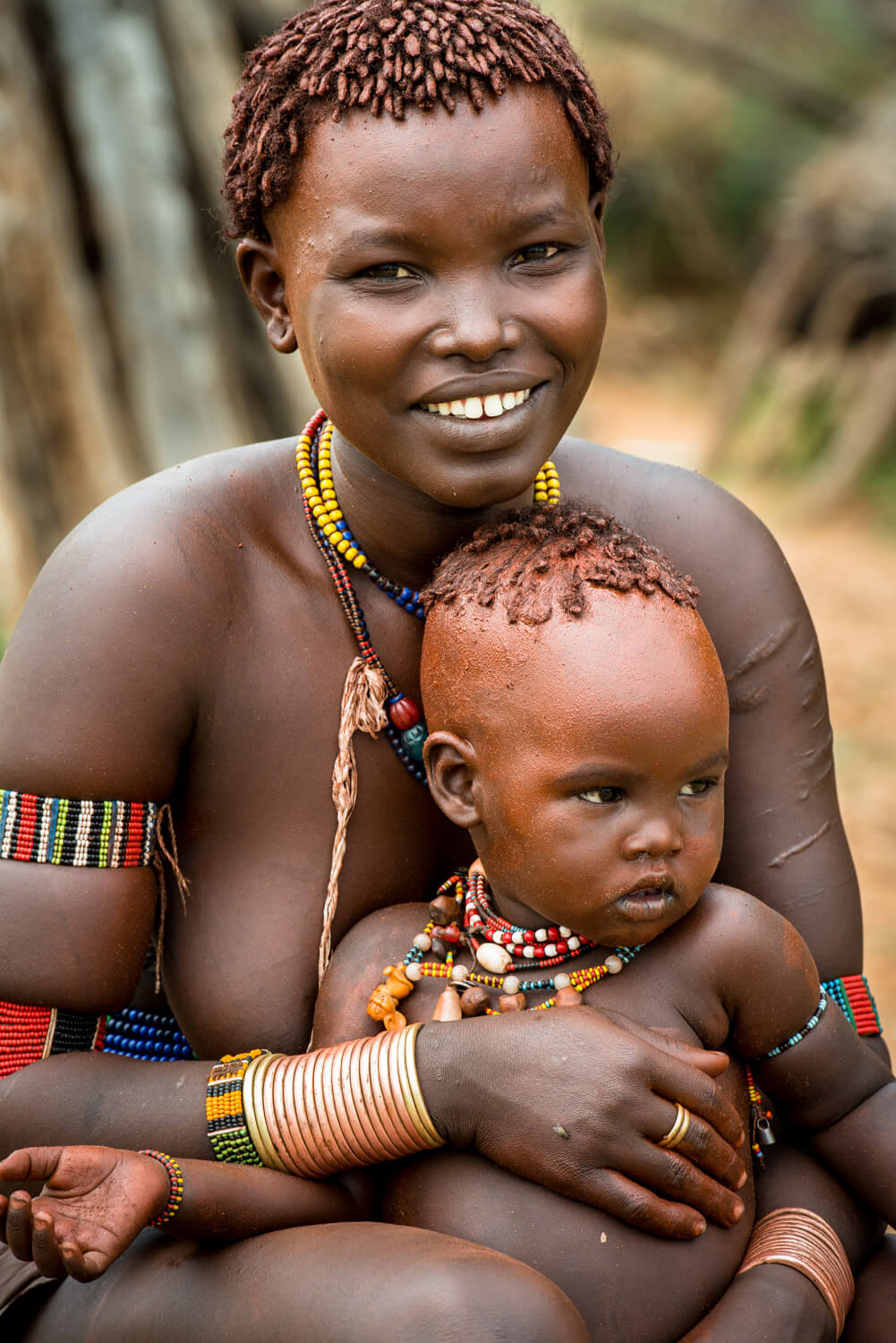
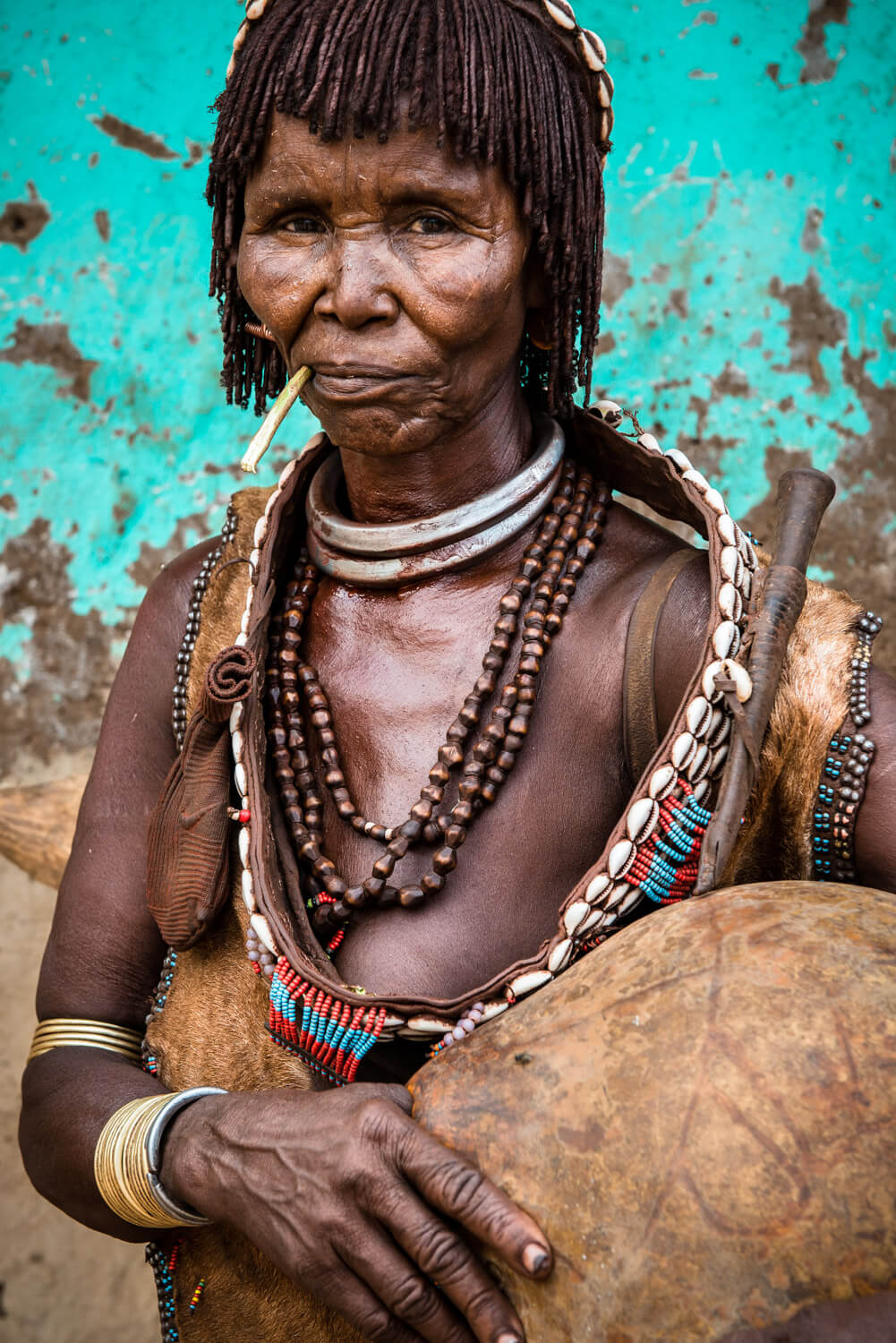
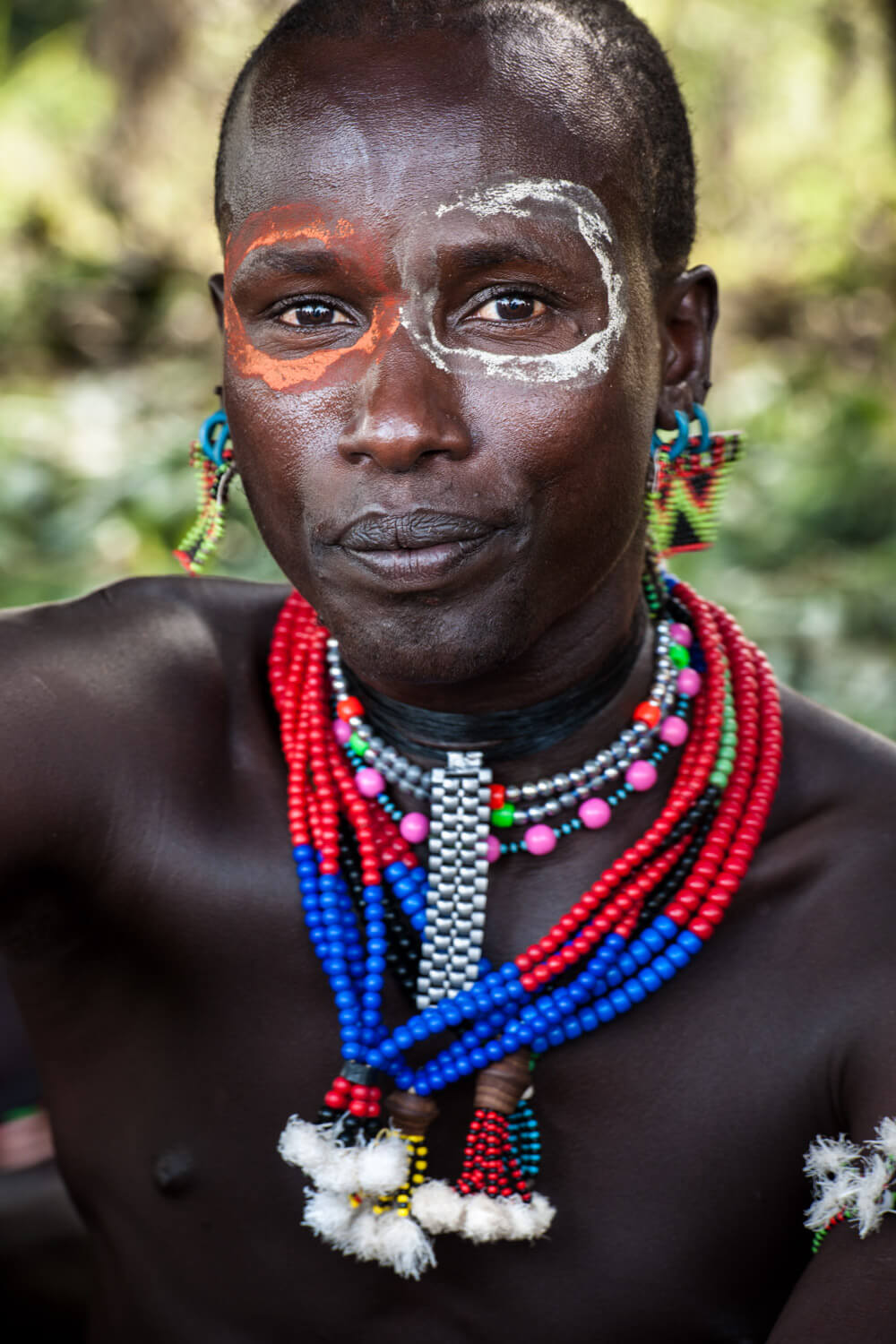
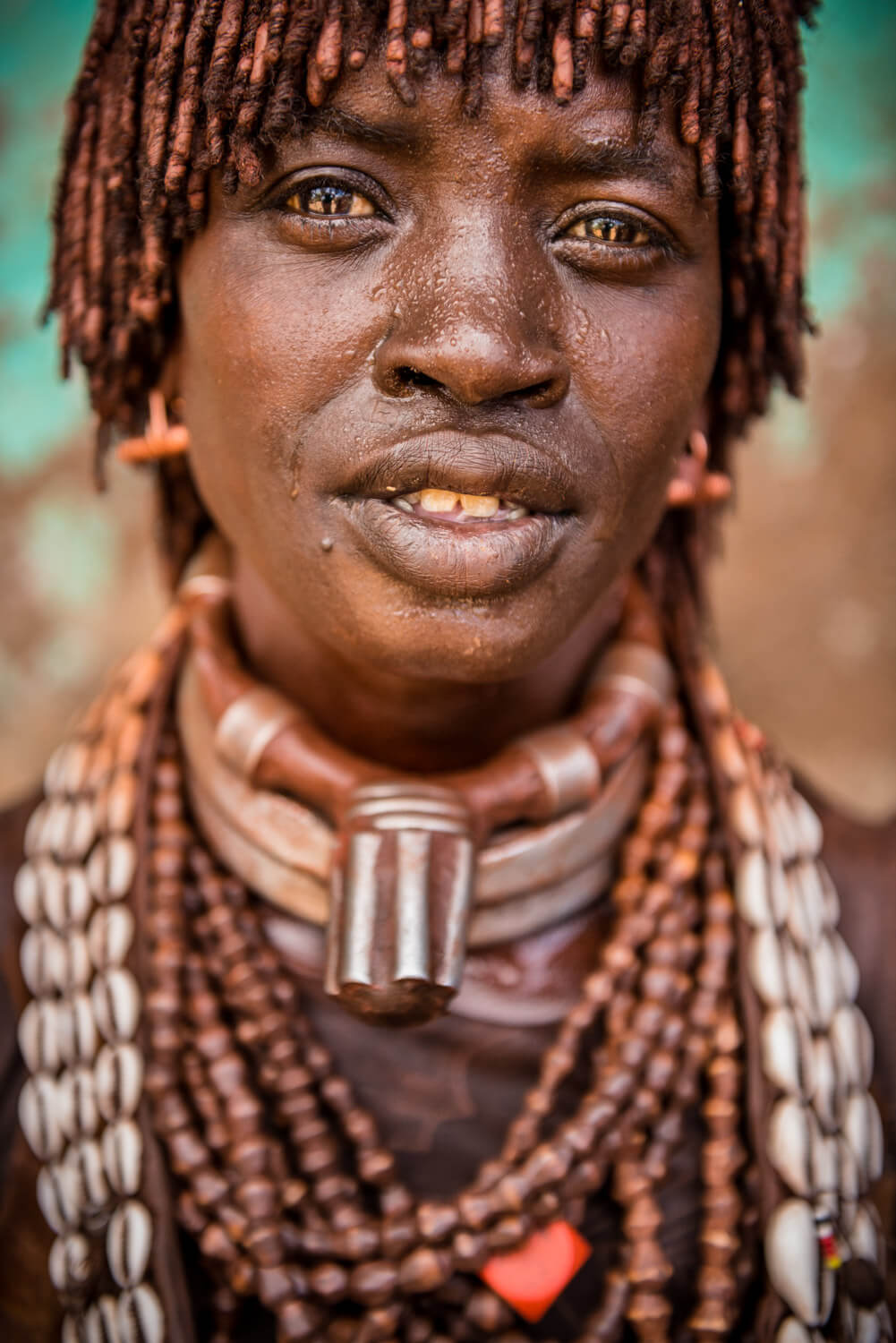
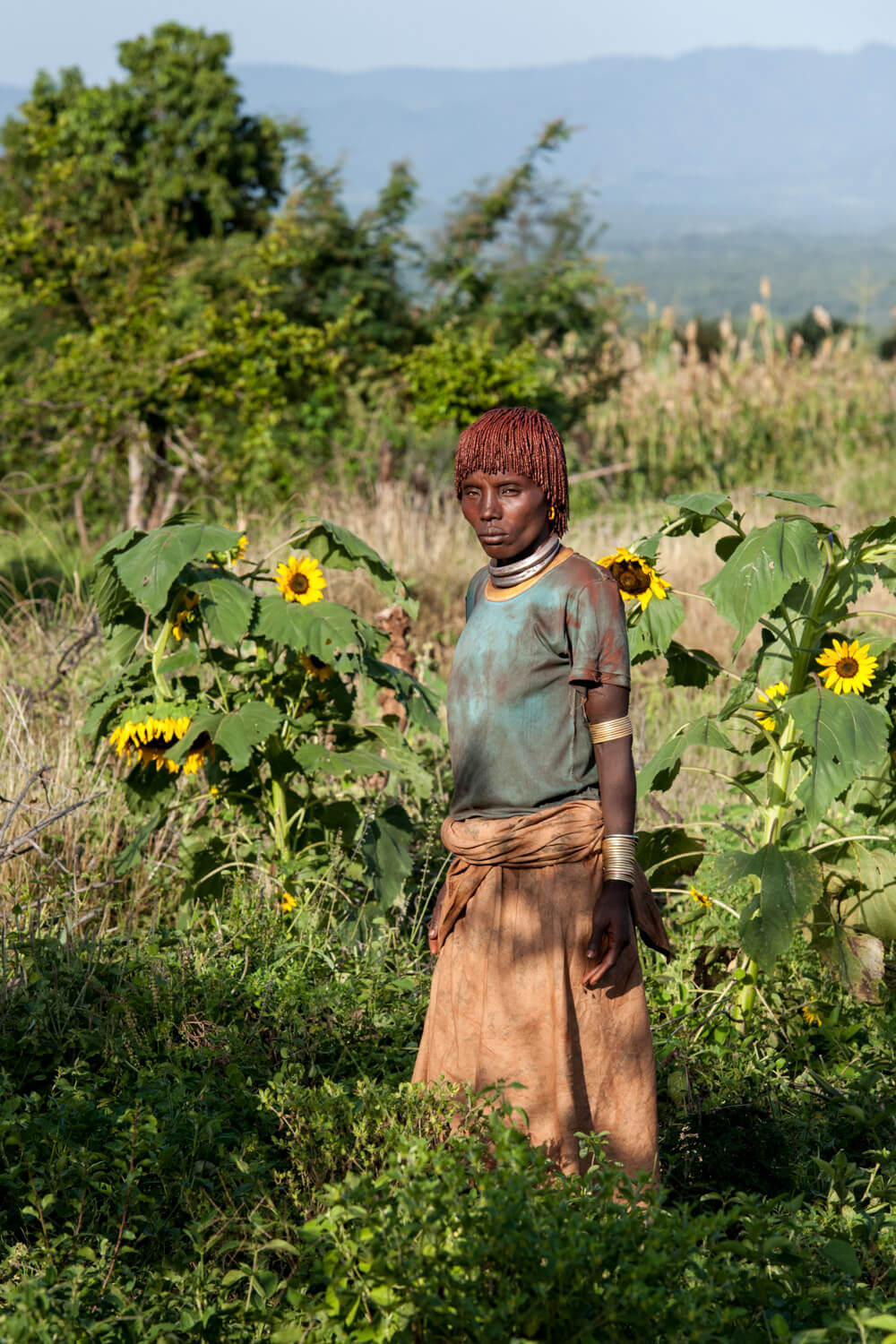
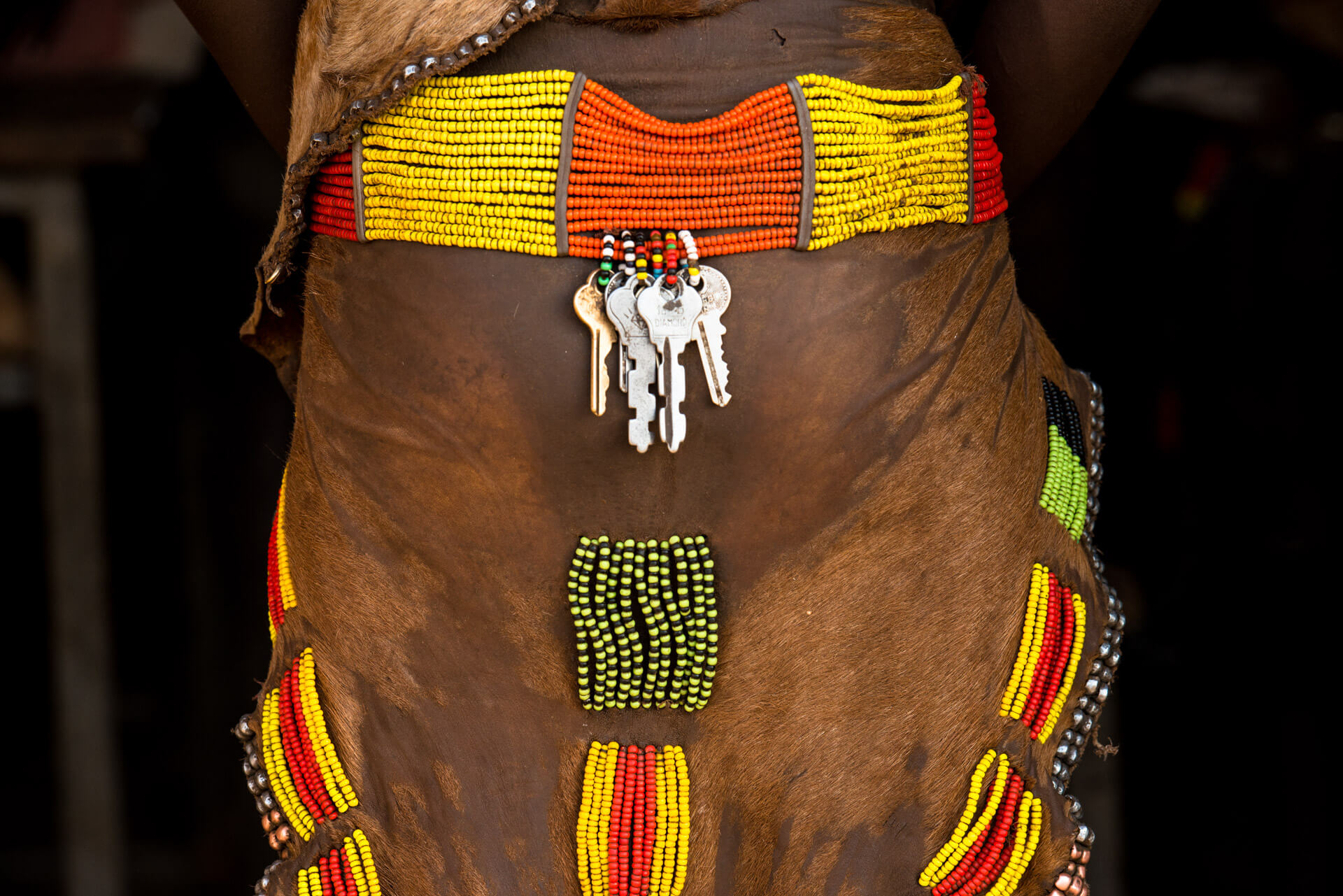
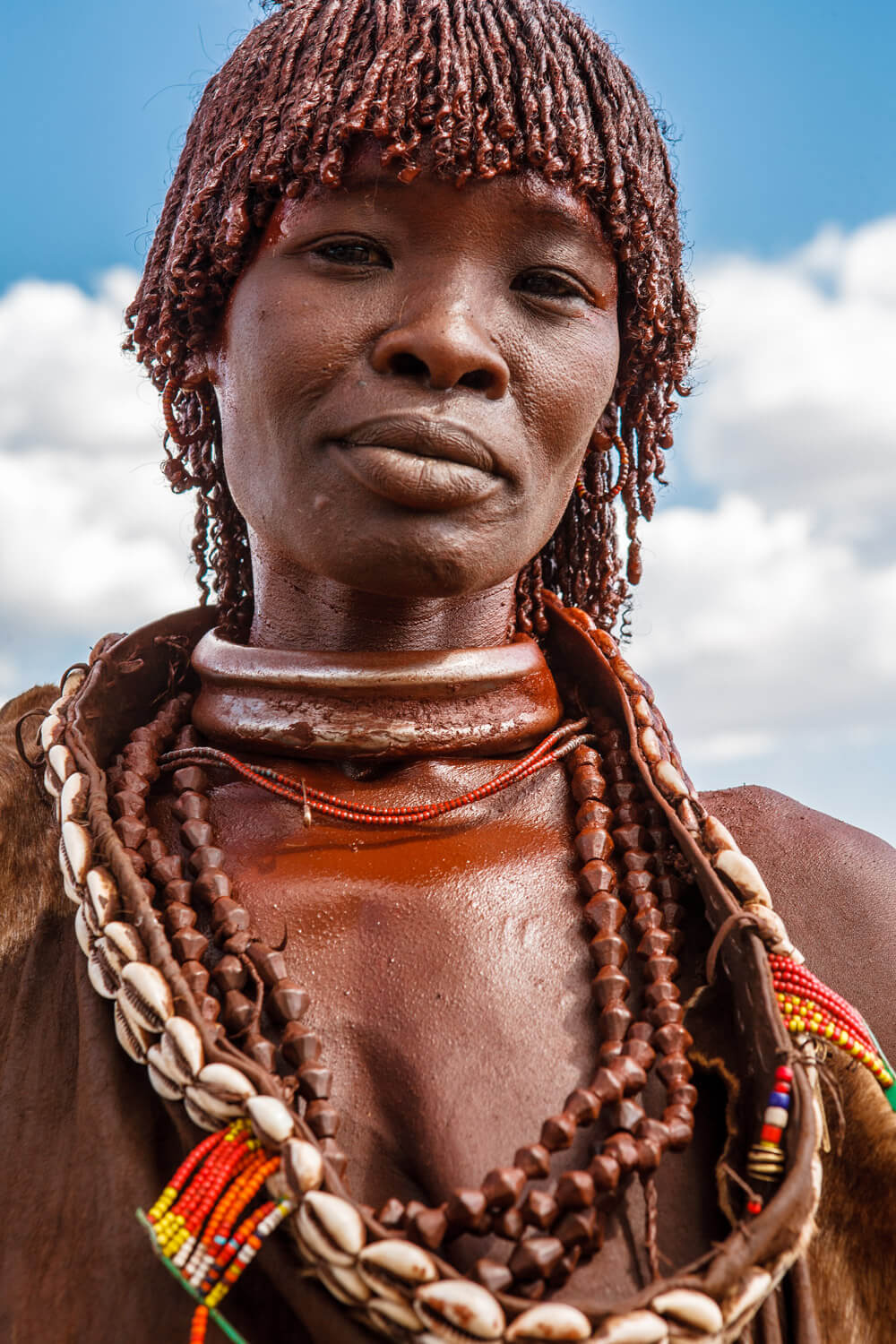
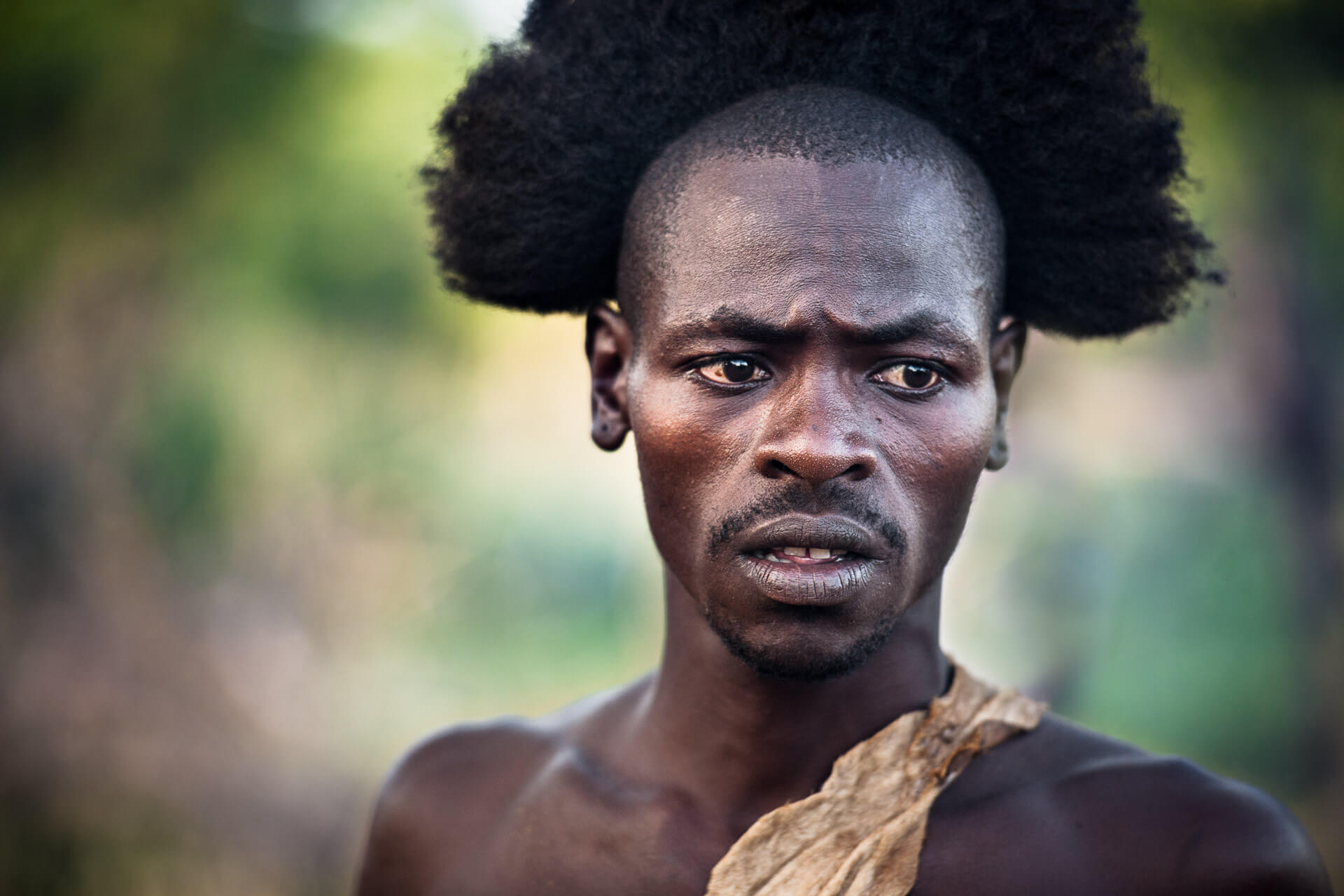
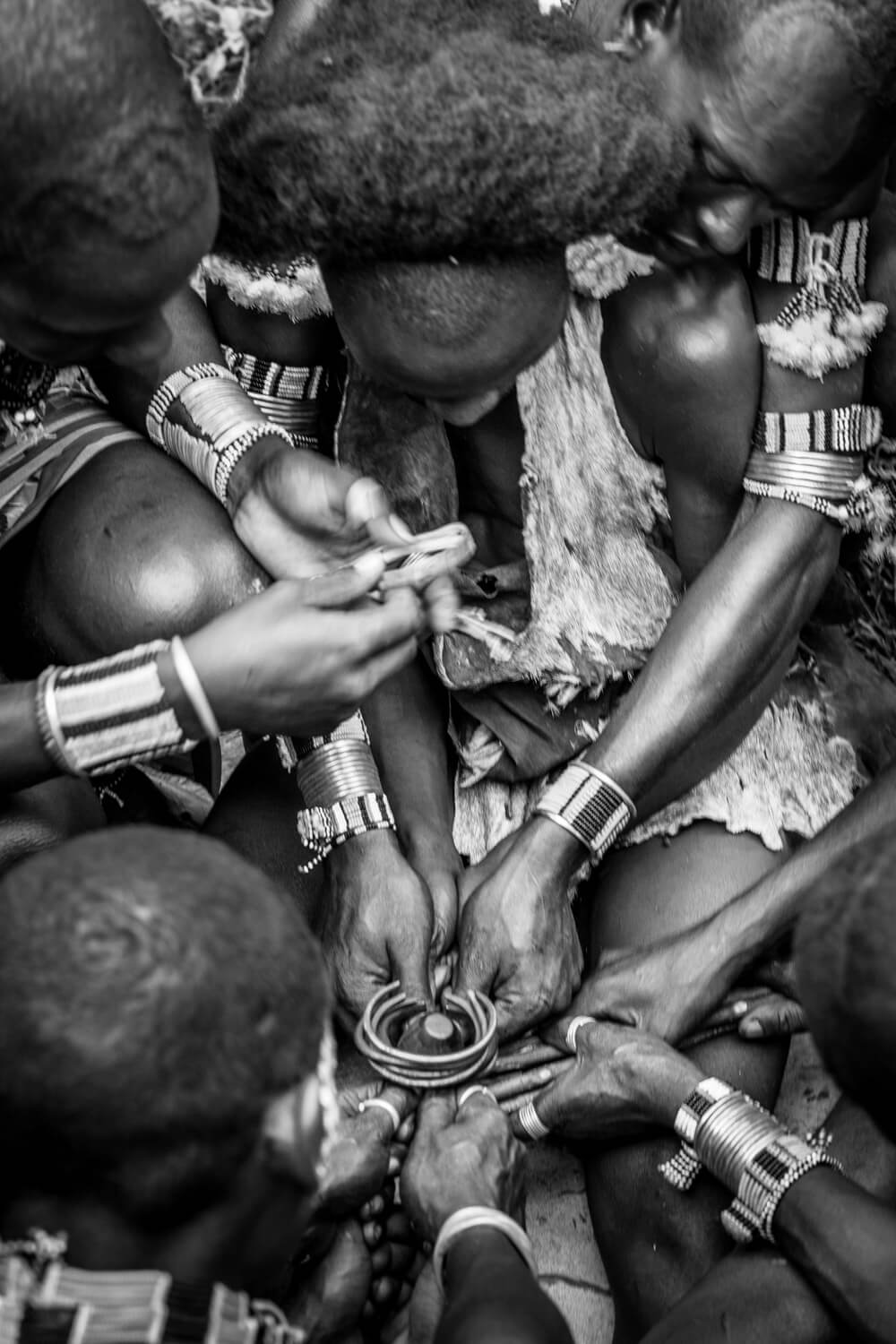
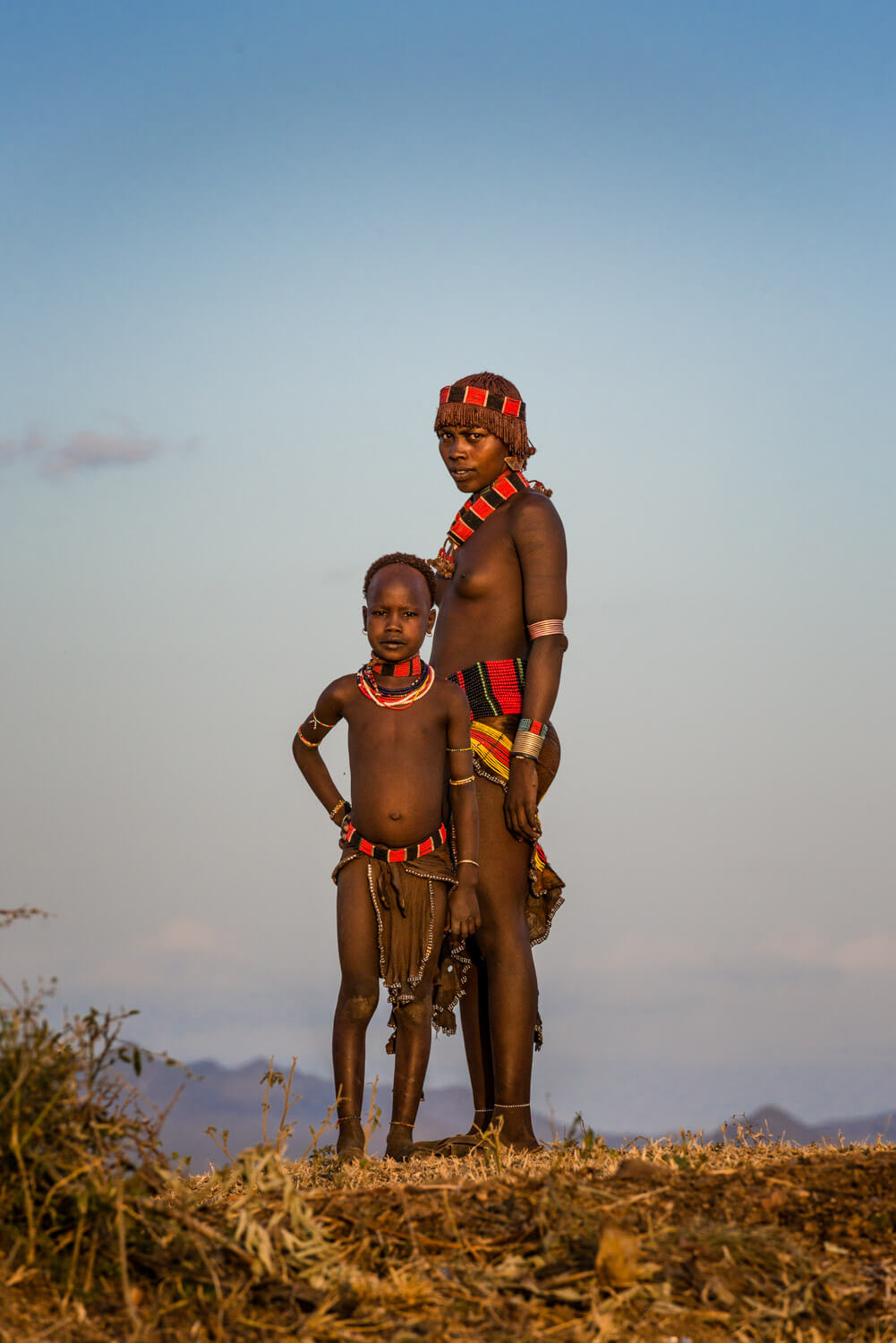
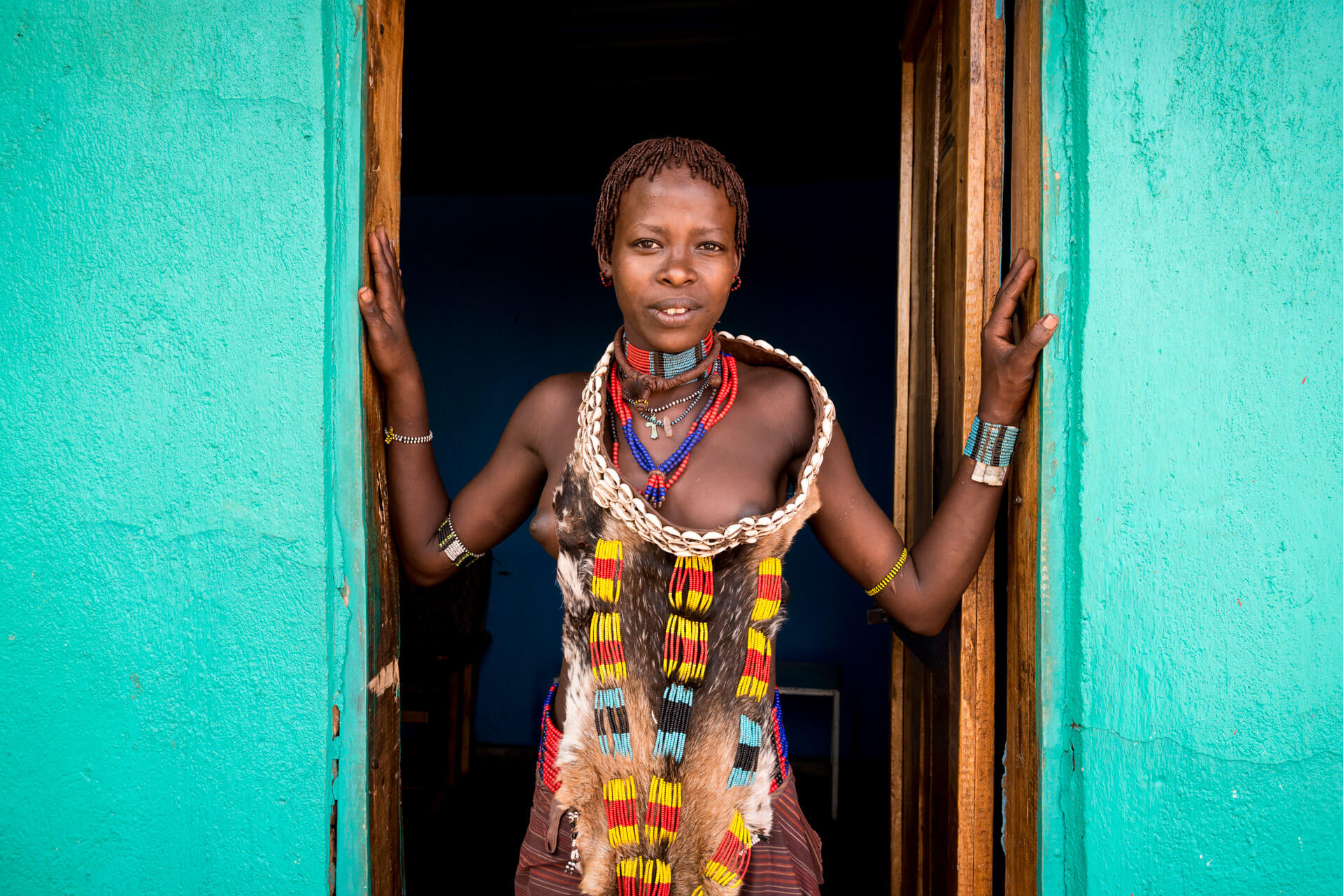
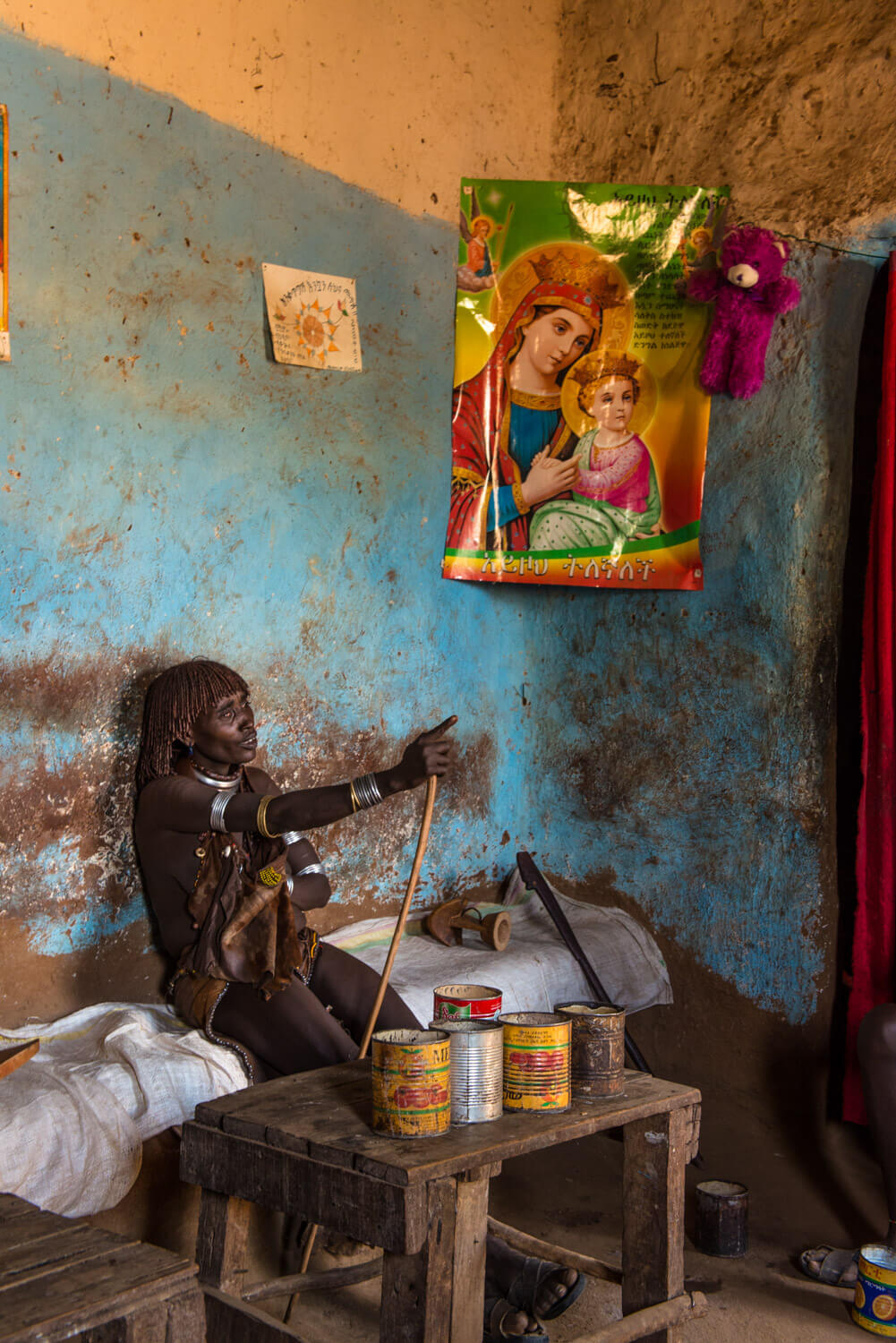
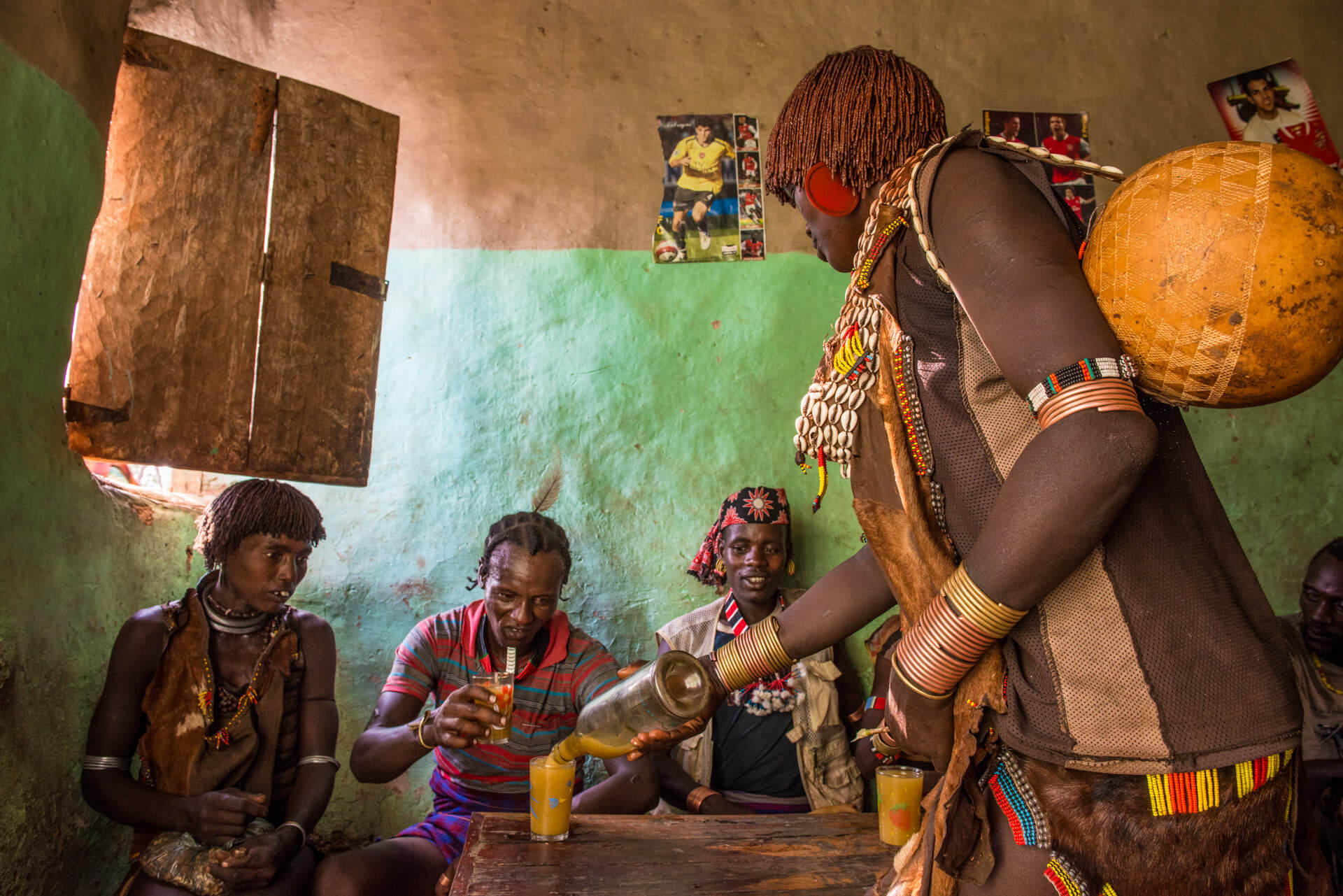
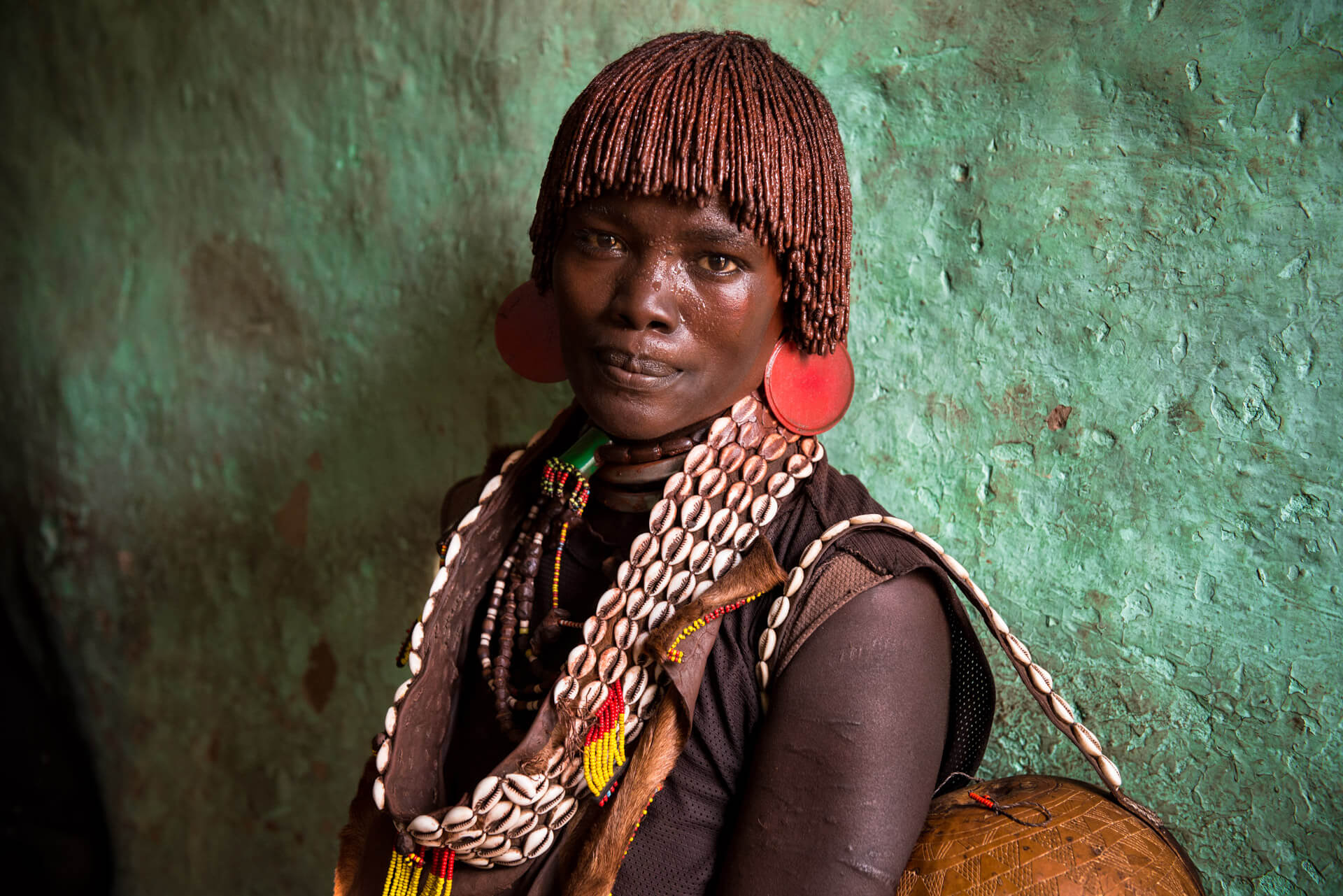
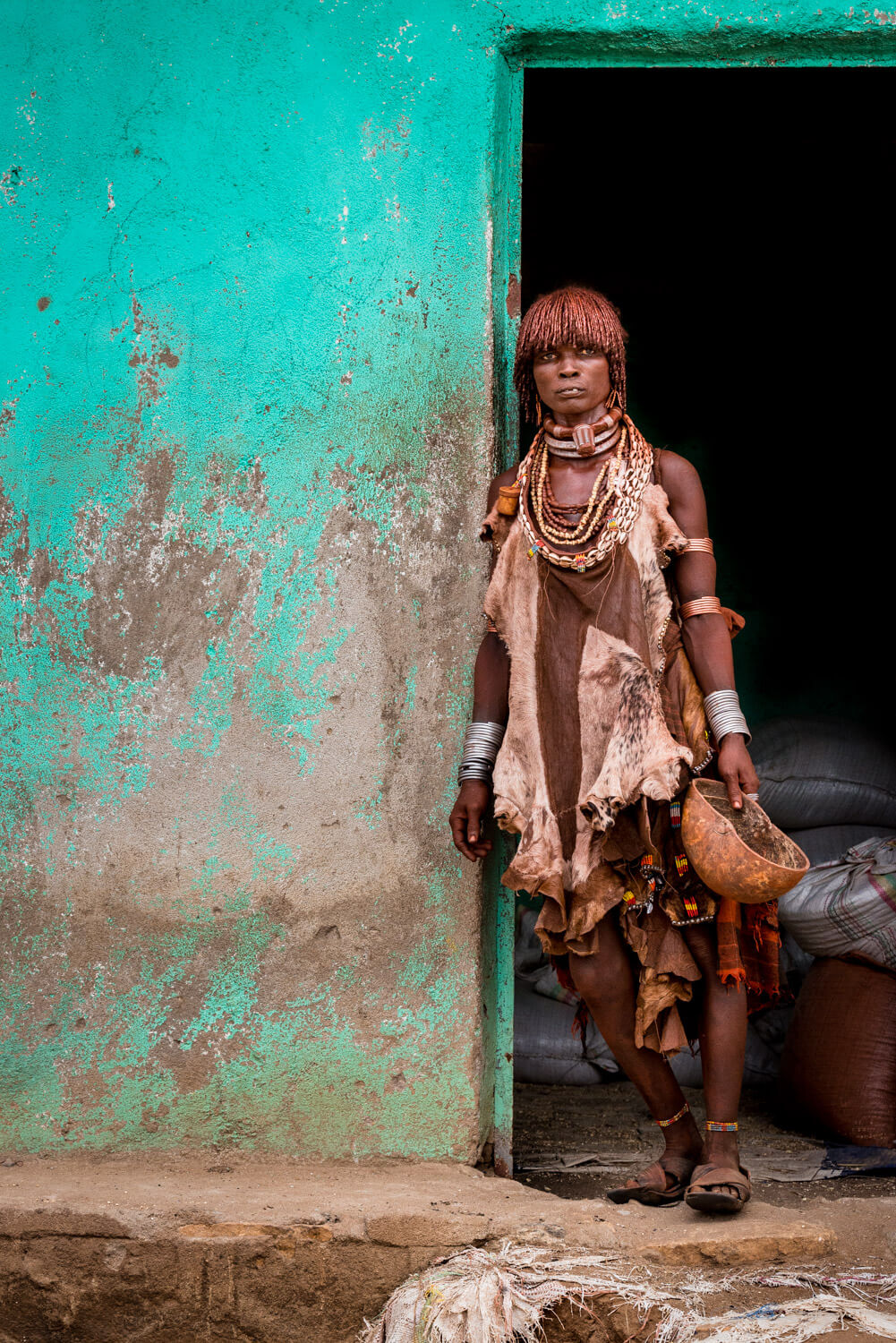
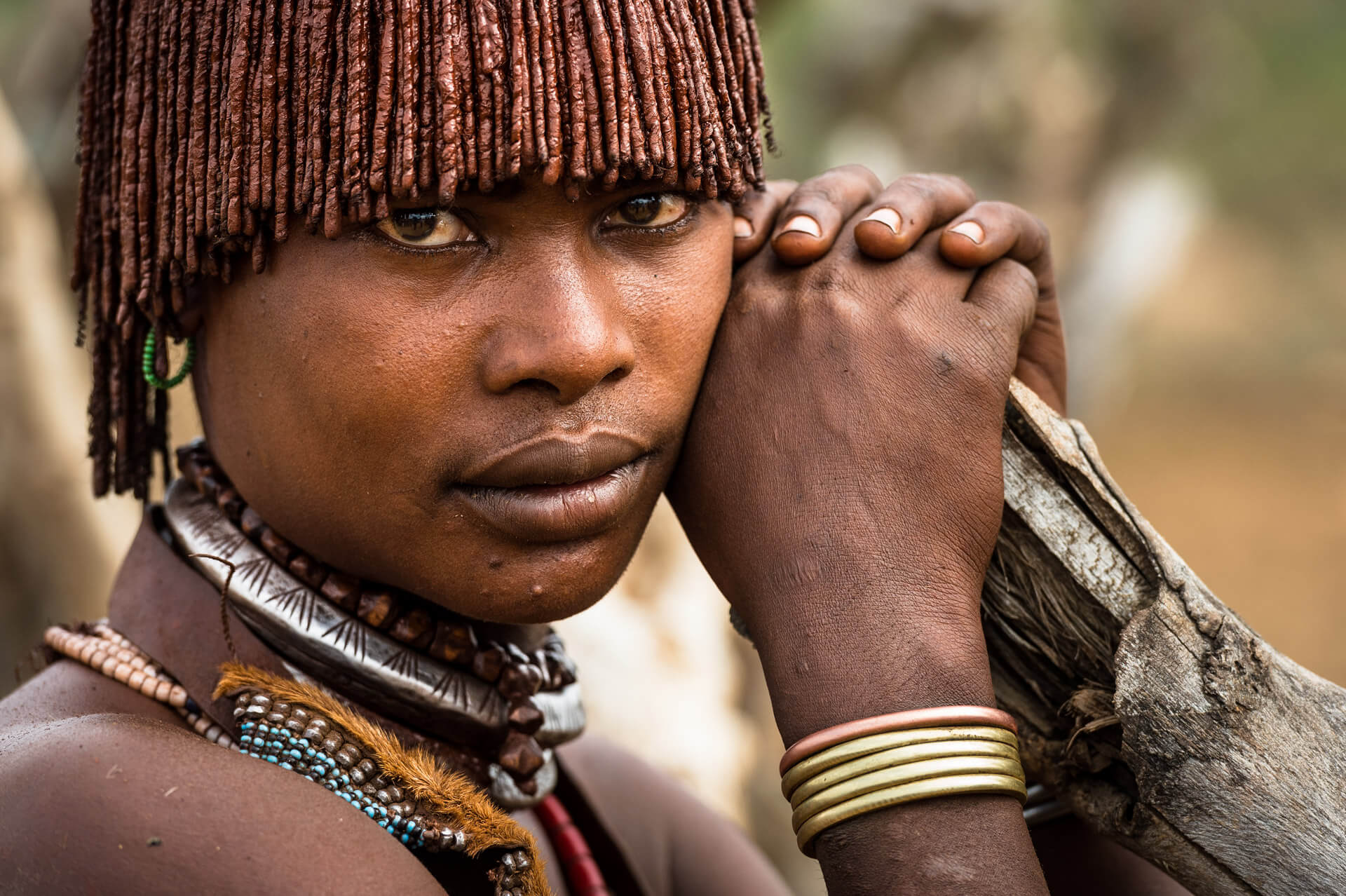
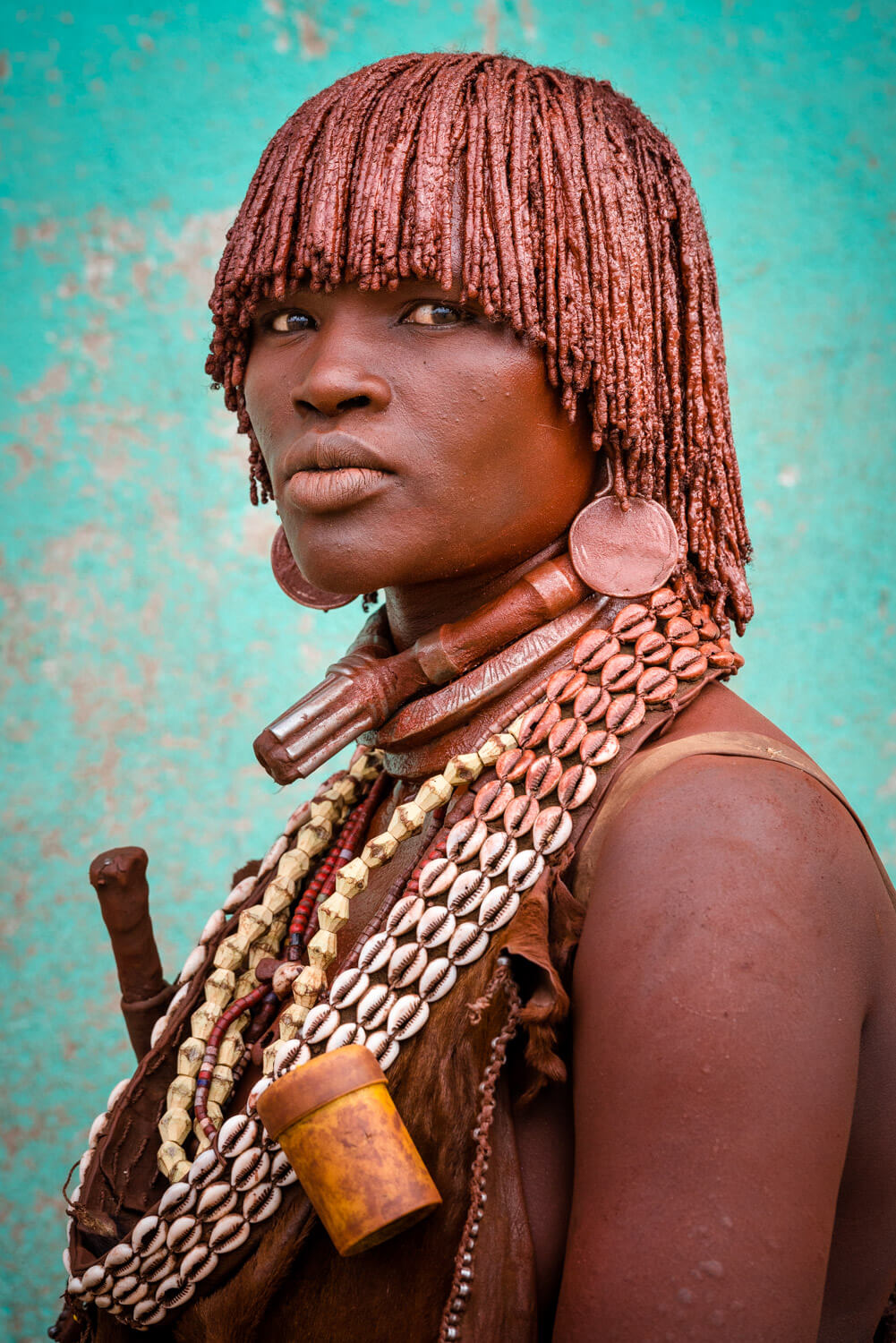
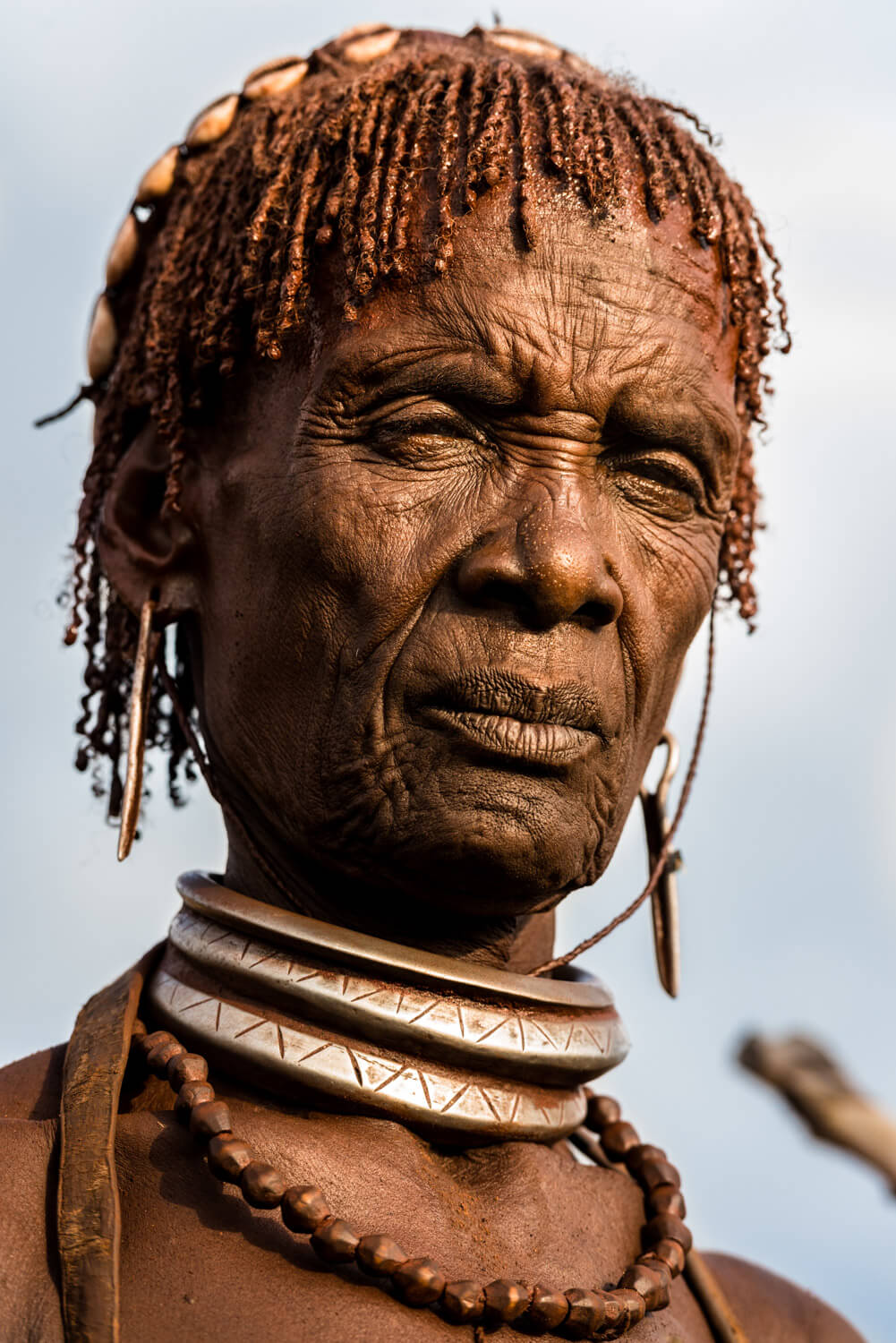
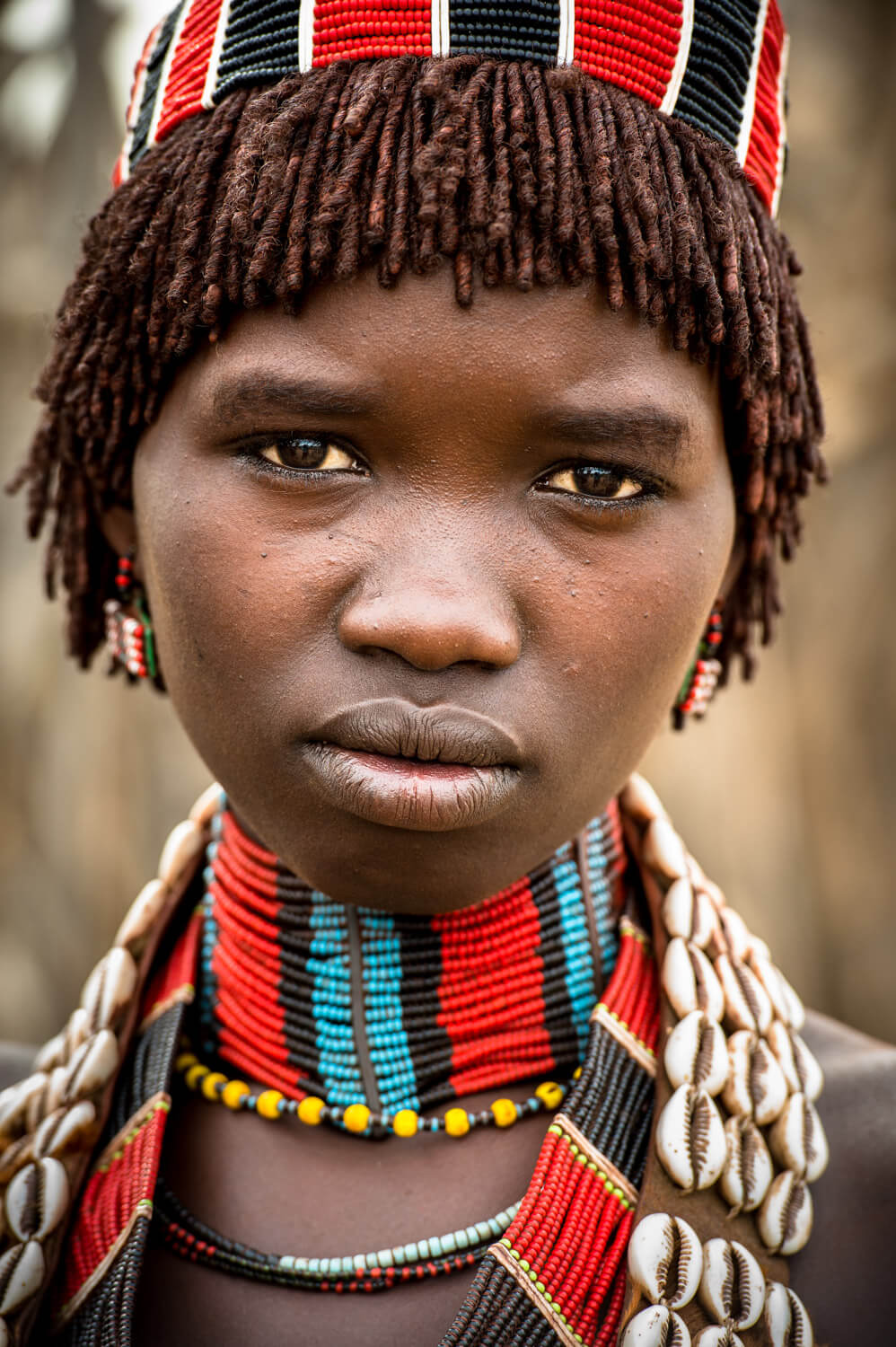
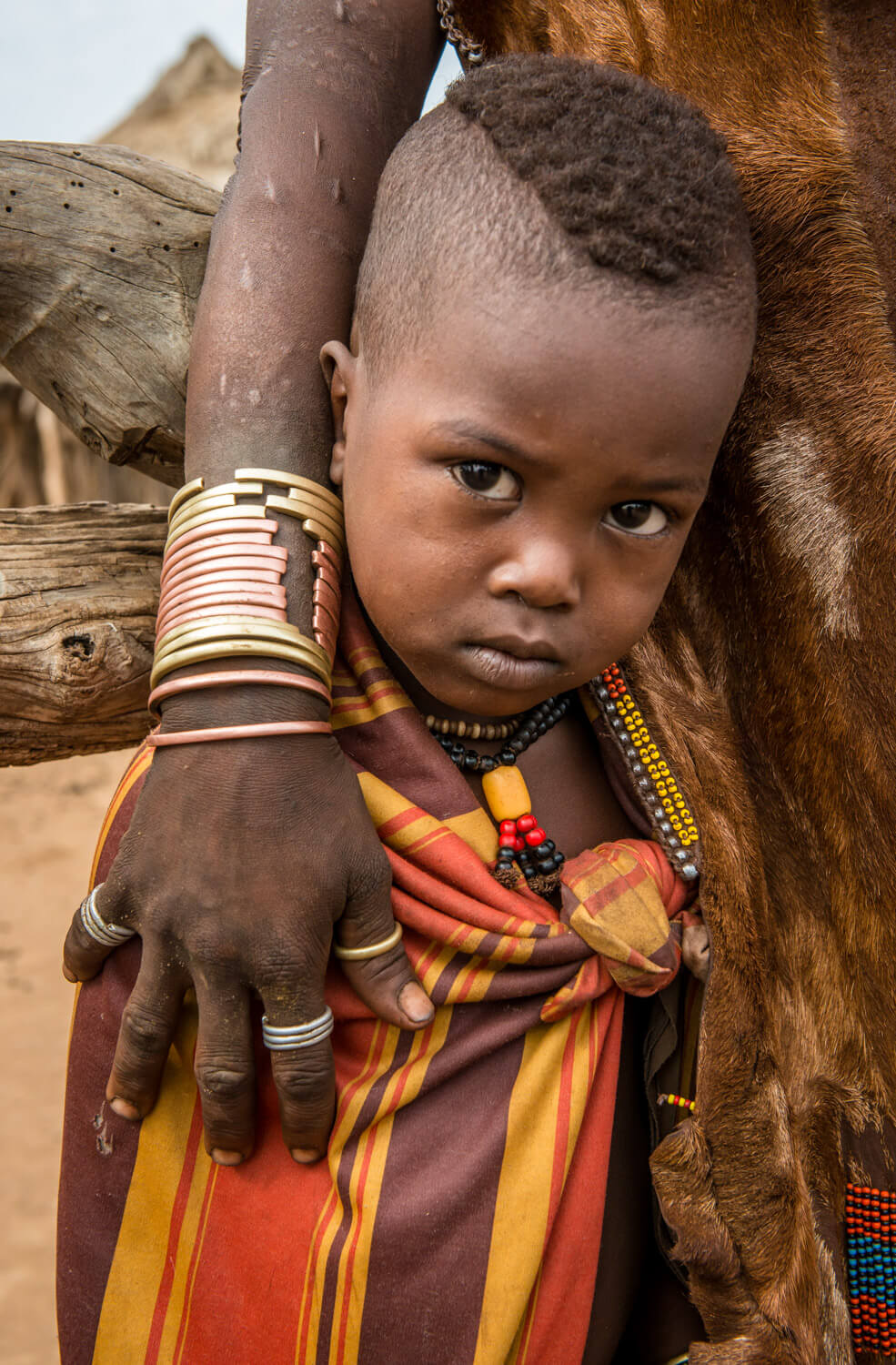
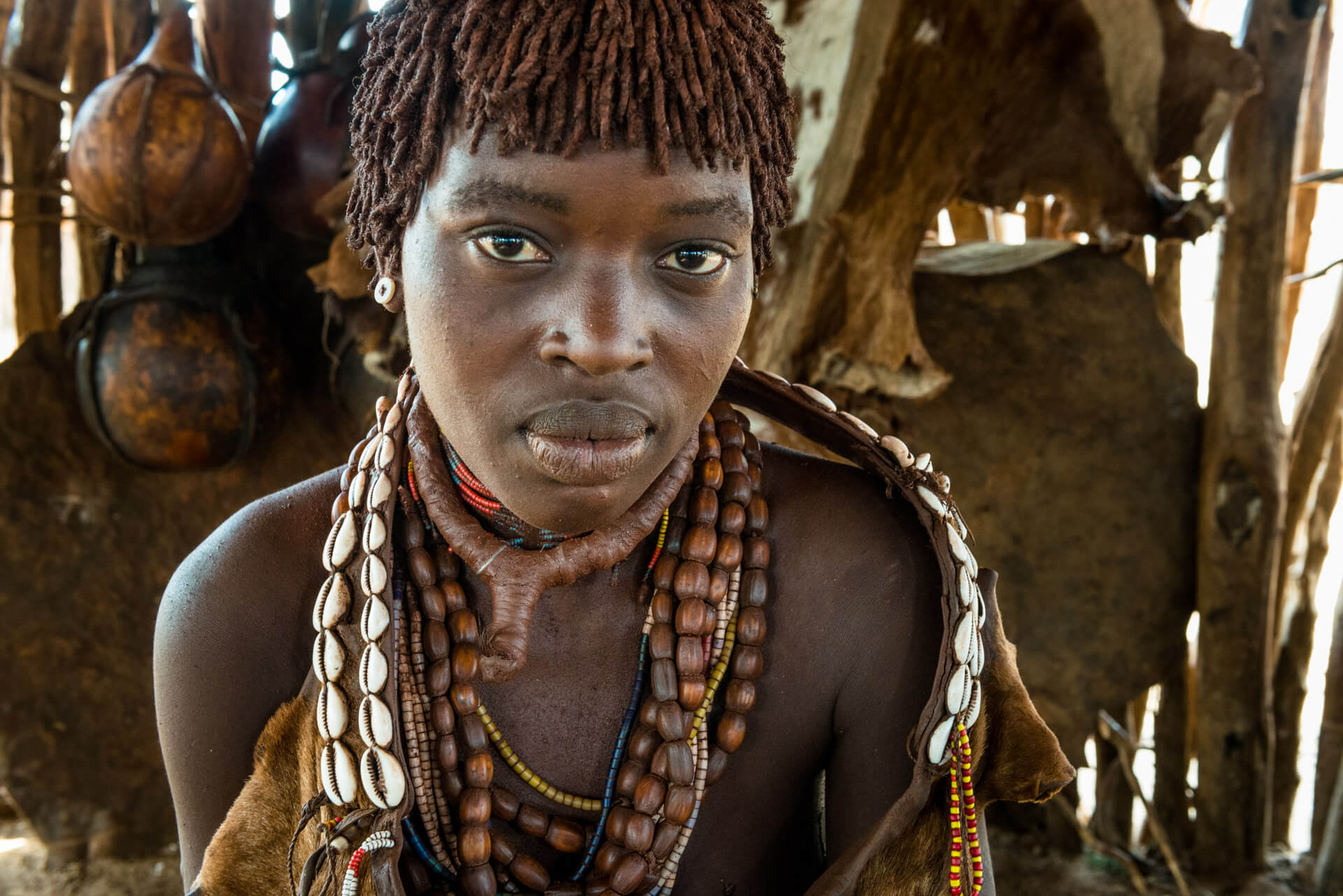
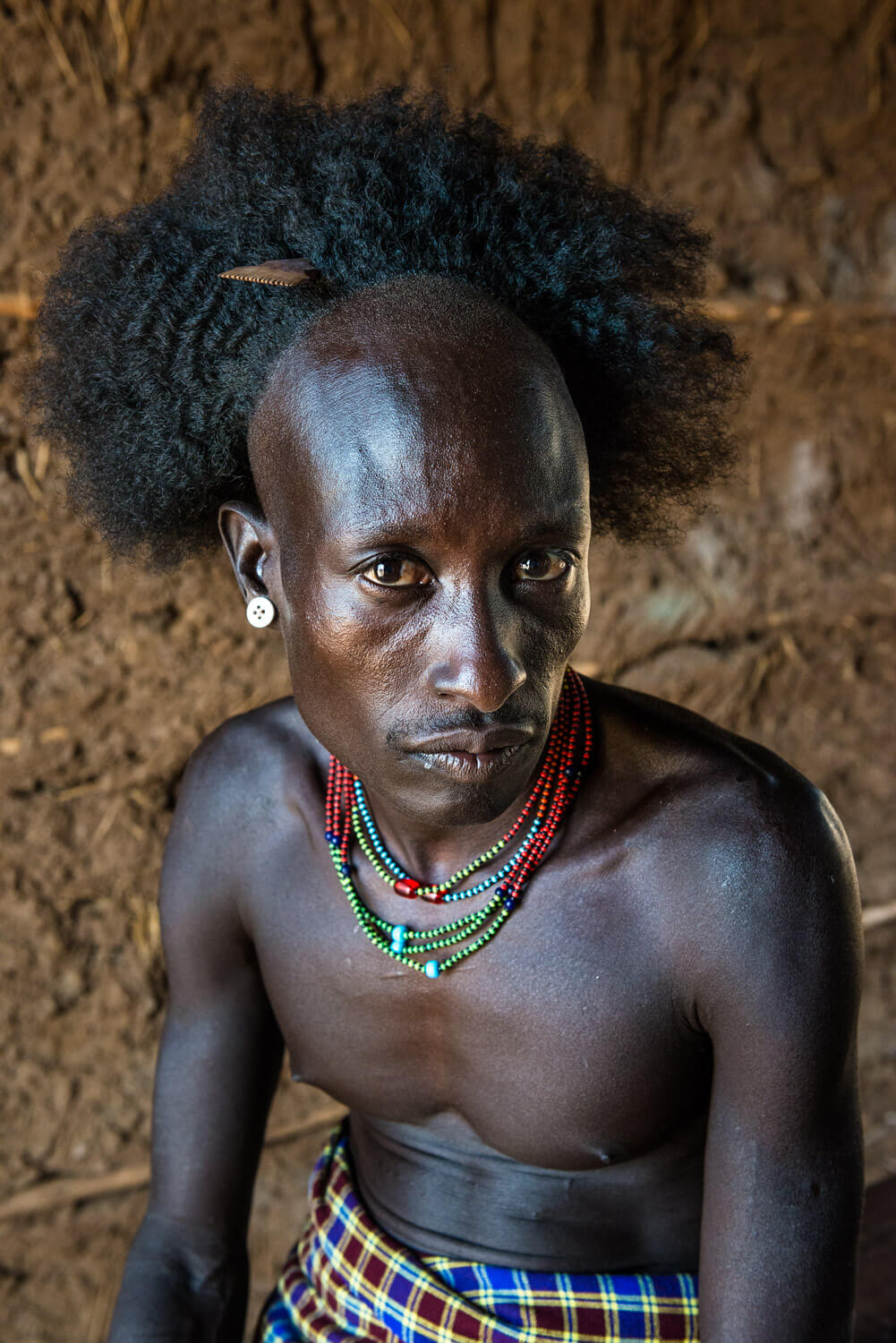
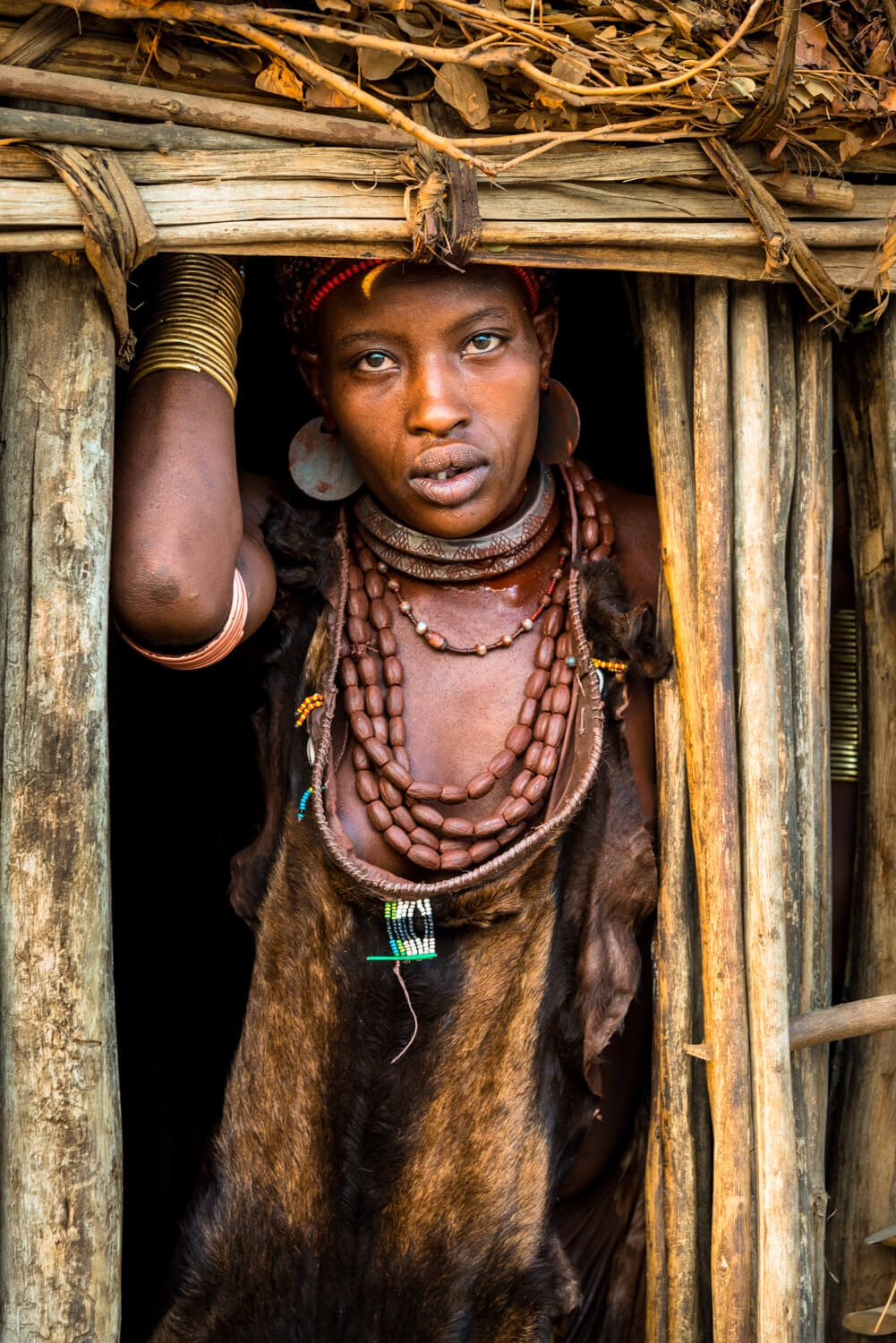
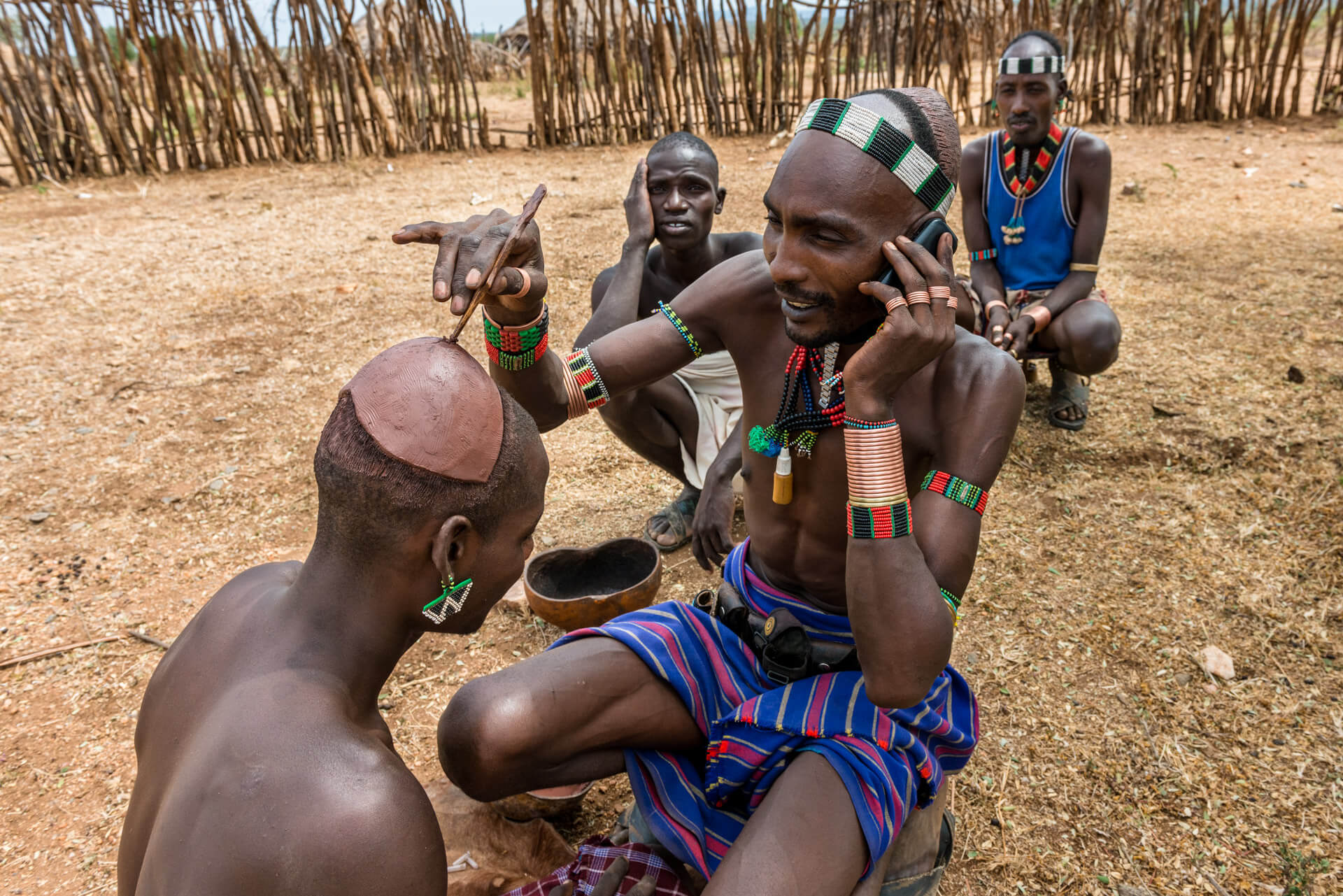
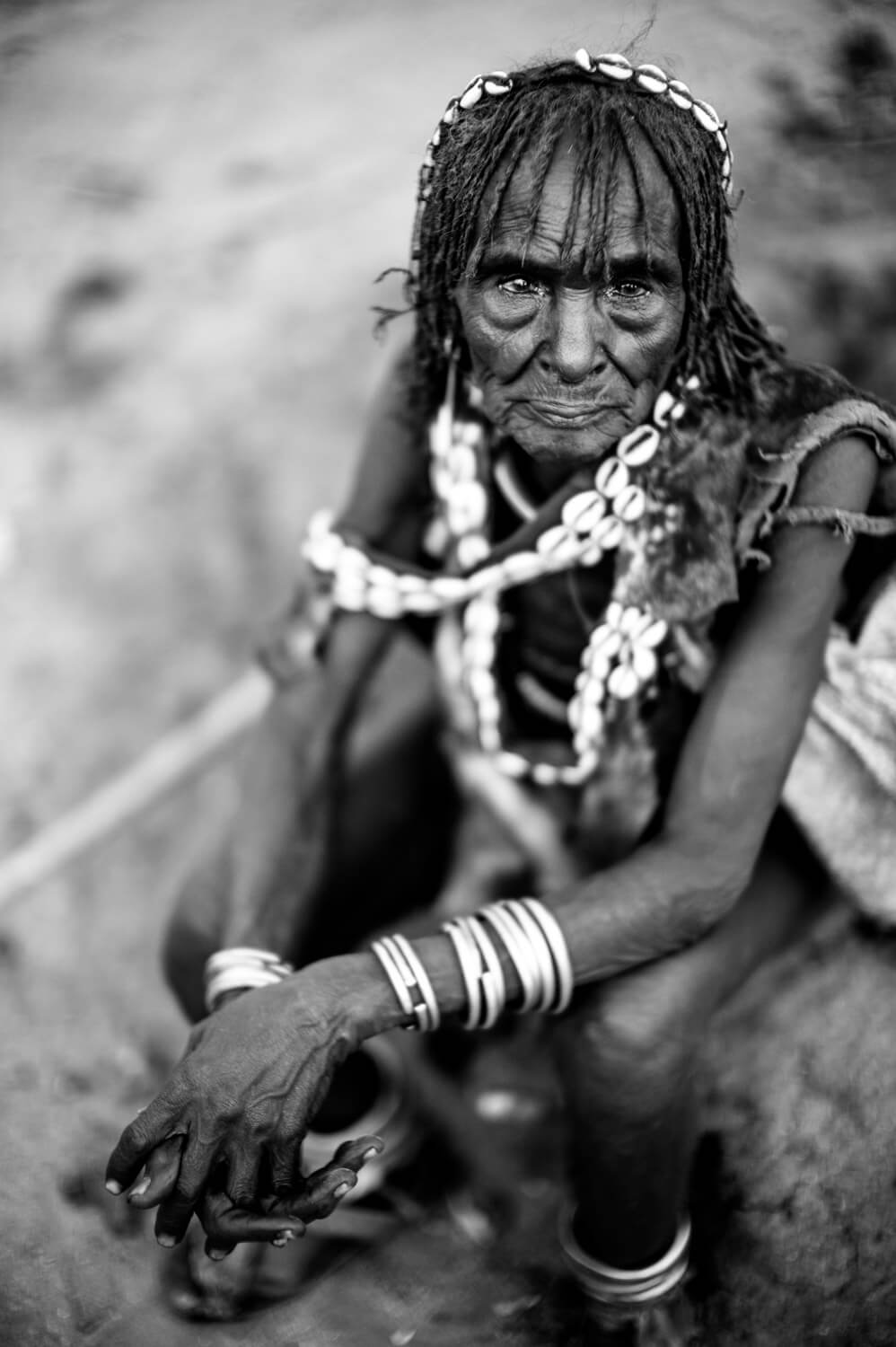
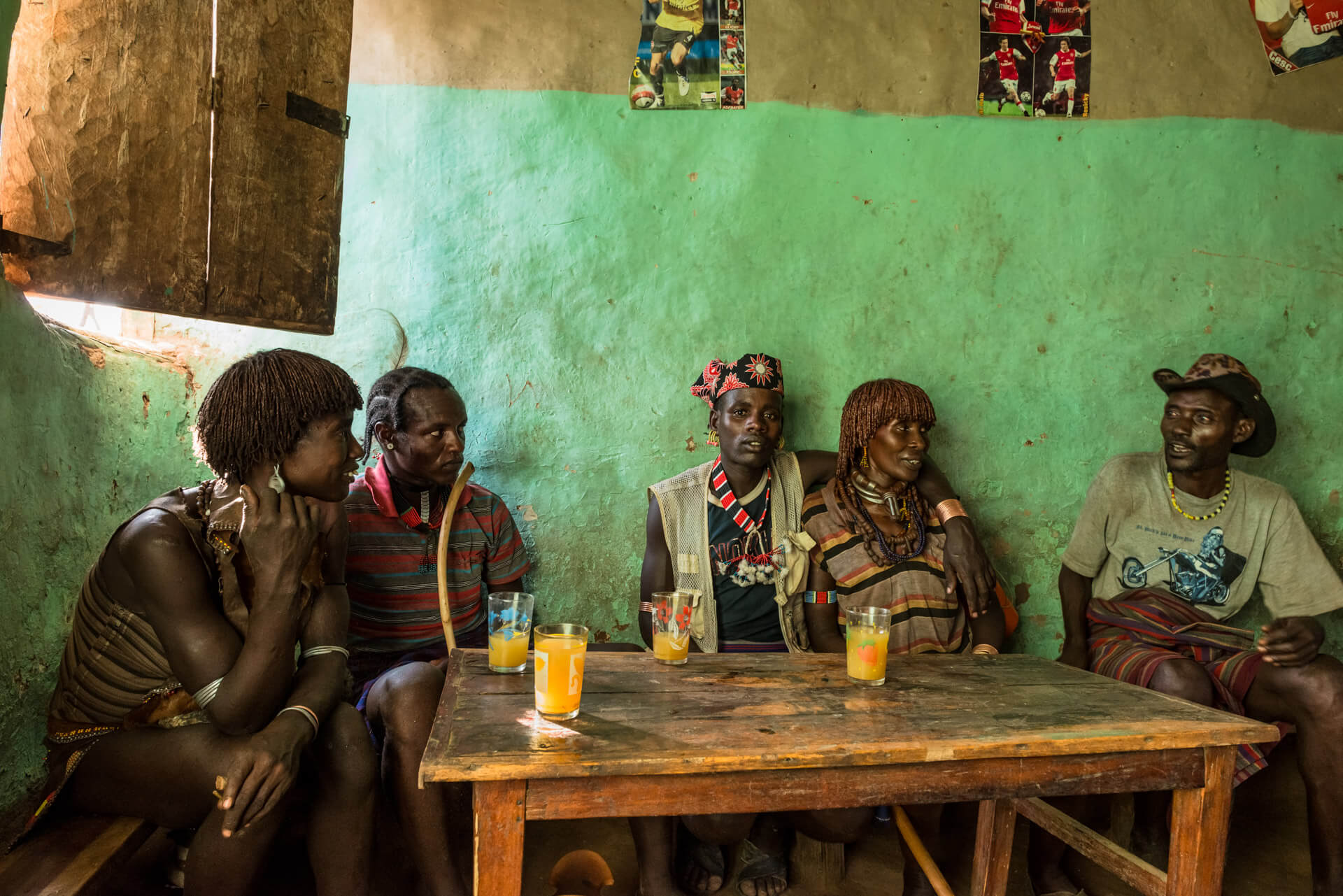
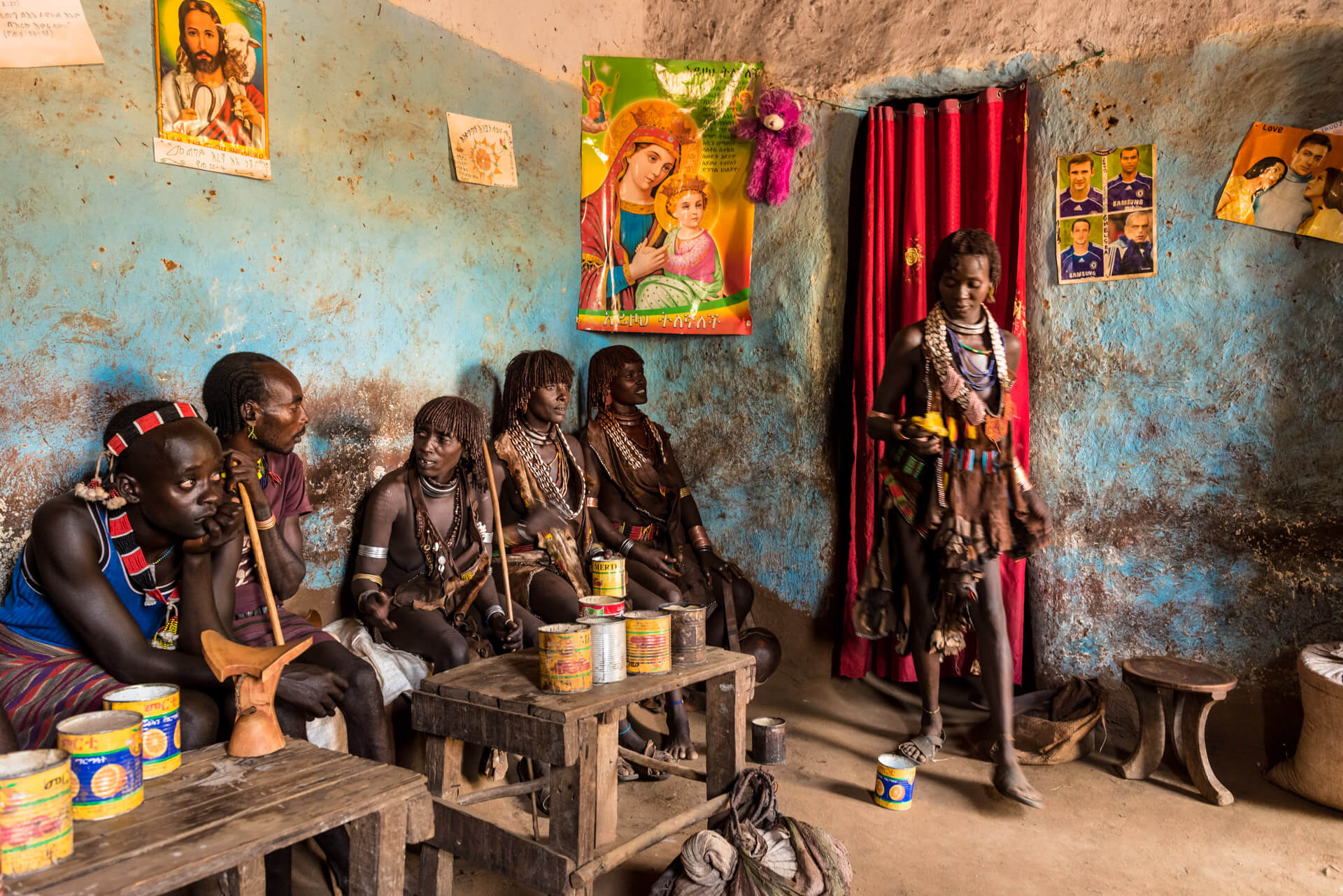
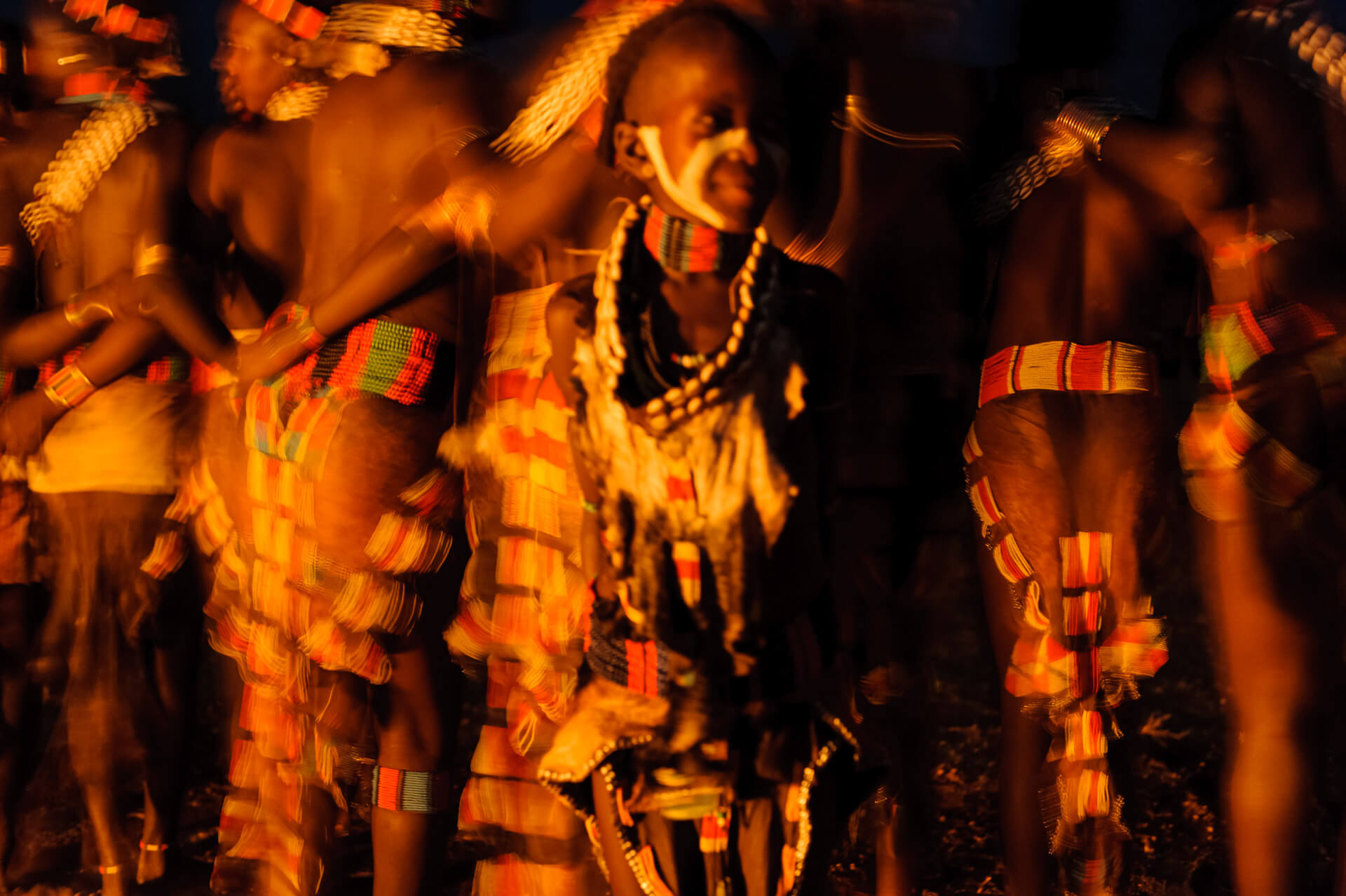
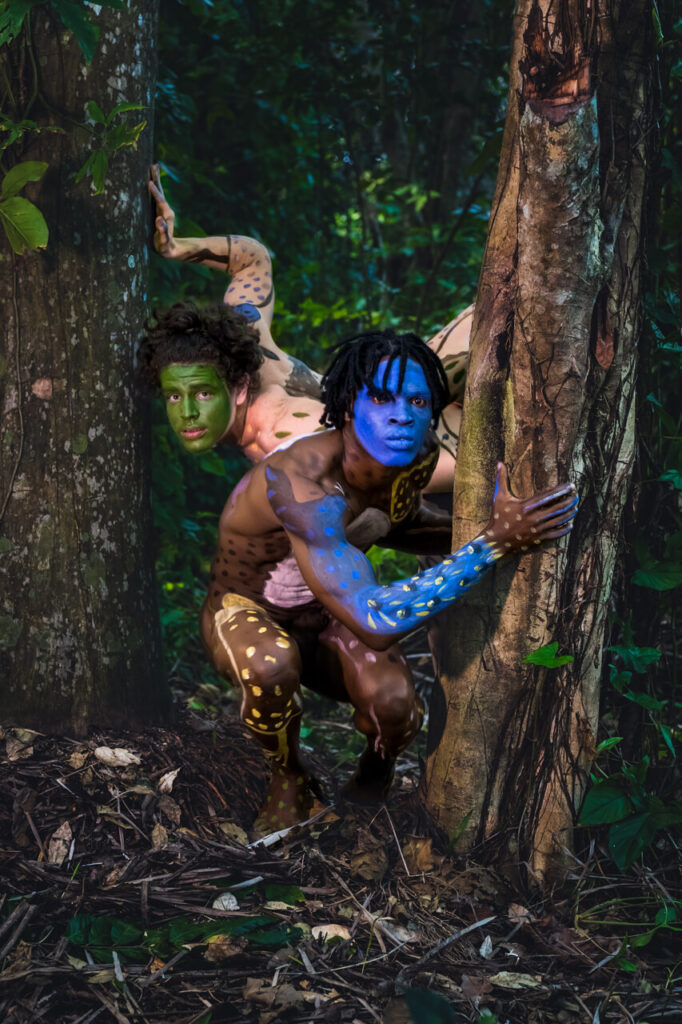
The Hamar are estimated to number around 45,000, and they remain one of the more visually striking tribes of the Omo, copper bracelets, elaborate hairstyles with ochre, and goat-skin garments adorned with shells. But the Omo Valley is home to many others: the Kara, known for their body painting; the Mursi, with lip plates and fierce pride; the Dassanech, the Nyangatom, and more. Each tribe has its own language, dress, and traditions.
One of the most difficult and important subjects we encountered was the practice of Mingi, a ritualistic killing of children believed to be cursed. If a child’s top teeth came in before the bottom ones, if they were born out of wedlock, or even if their mother died during childbirth, they could be declared Mingi. These children were thought to bring misfortune, and were drowned, suffocated, or abandoned in the bush.
The more we learned, the more we felt compelled to act. We ended up filming a documentary titled Omo Child: The River and the Bush, much of which was shot among the Hamar people. When filming began, 24 children had been rescued, but by the time we concluded filming five years later, the number had grown to nearly 50 children that otherwise would have been killed.
It took us a long time to earn the trust of the local people. But eventually, we did and what emerged was a documentary we’re incredibly proud of. Omo Child: The River and the Bush is now available on all major platforms. The story it tells is as heartbreaking as it is inspiring.
When someone was sick or dying, especially children with life-threatening injuries or diseases we did all we could to get help. Sometimes we brought emergency food supplies to villages facing famine. One of our local crew was shot and in critical condition; we were able to get him to a hospital for emergency surgery. Another young Hamar man had a serious injury that risked his vision. He was transported to a modern hospital in Addis Ababa and received the surgeries needed to save his eyesight.
These moments reminded me that some things matter more than photographs or filming. Being there, offering help, bearing witness, that’s the heart of it all.
It is hard to describe the feeling of saving a human life. But we were in places, at times, when we could do something to help, and we would do our best to try. That feeling of knowing you’ve helped someone to be alive is beyond words. It stays with you, humbles you, and changes the way you see everything that follows. Every human life is important and so much unnecessary suffering in the world is hard to understand.