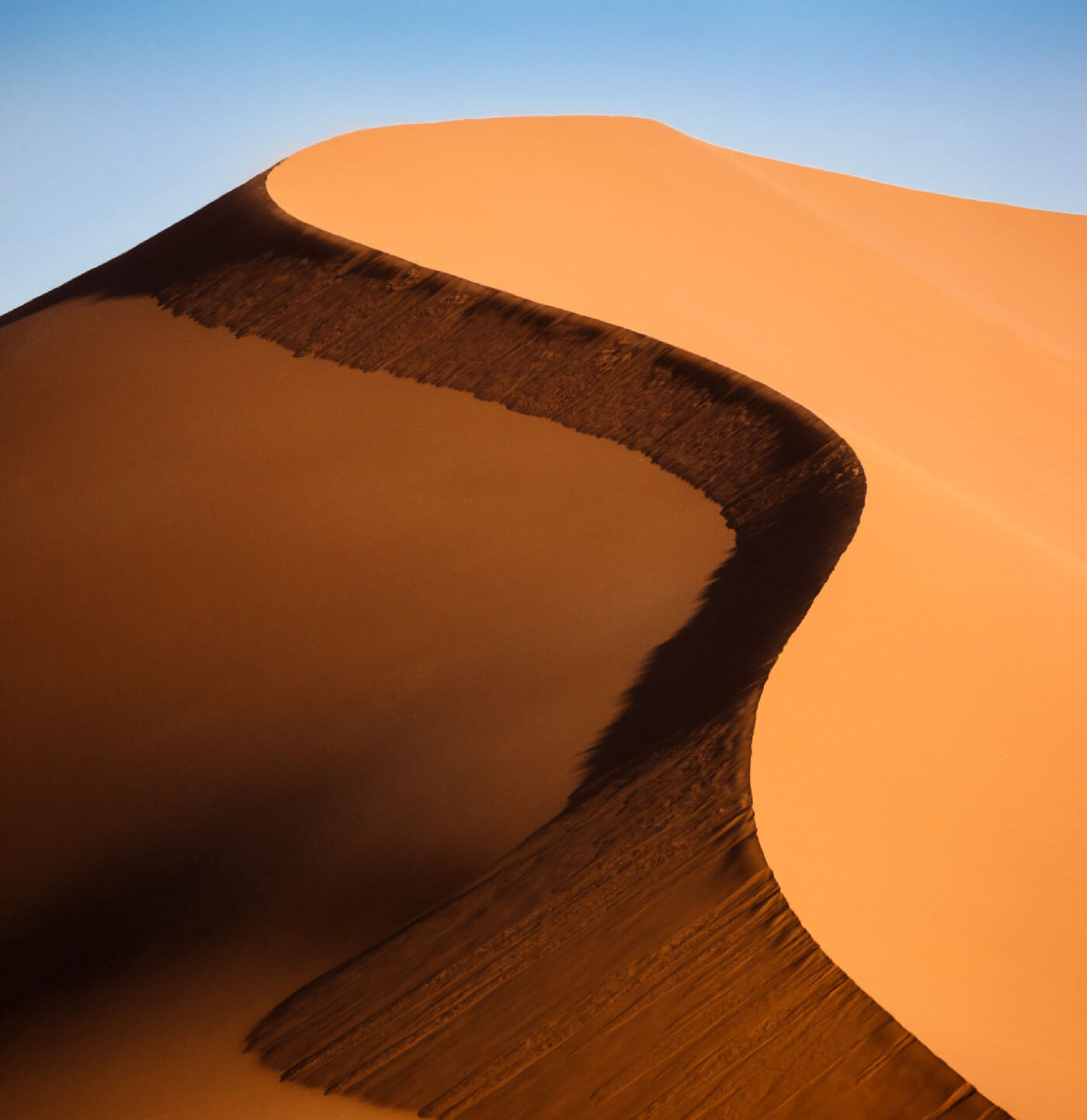
The San People : Kalahari Desert, Southern Africa
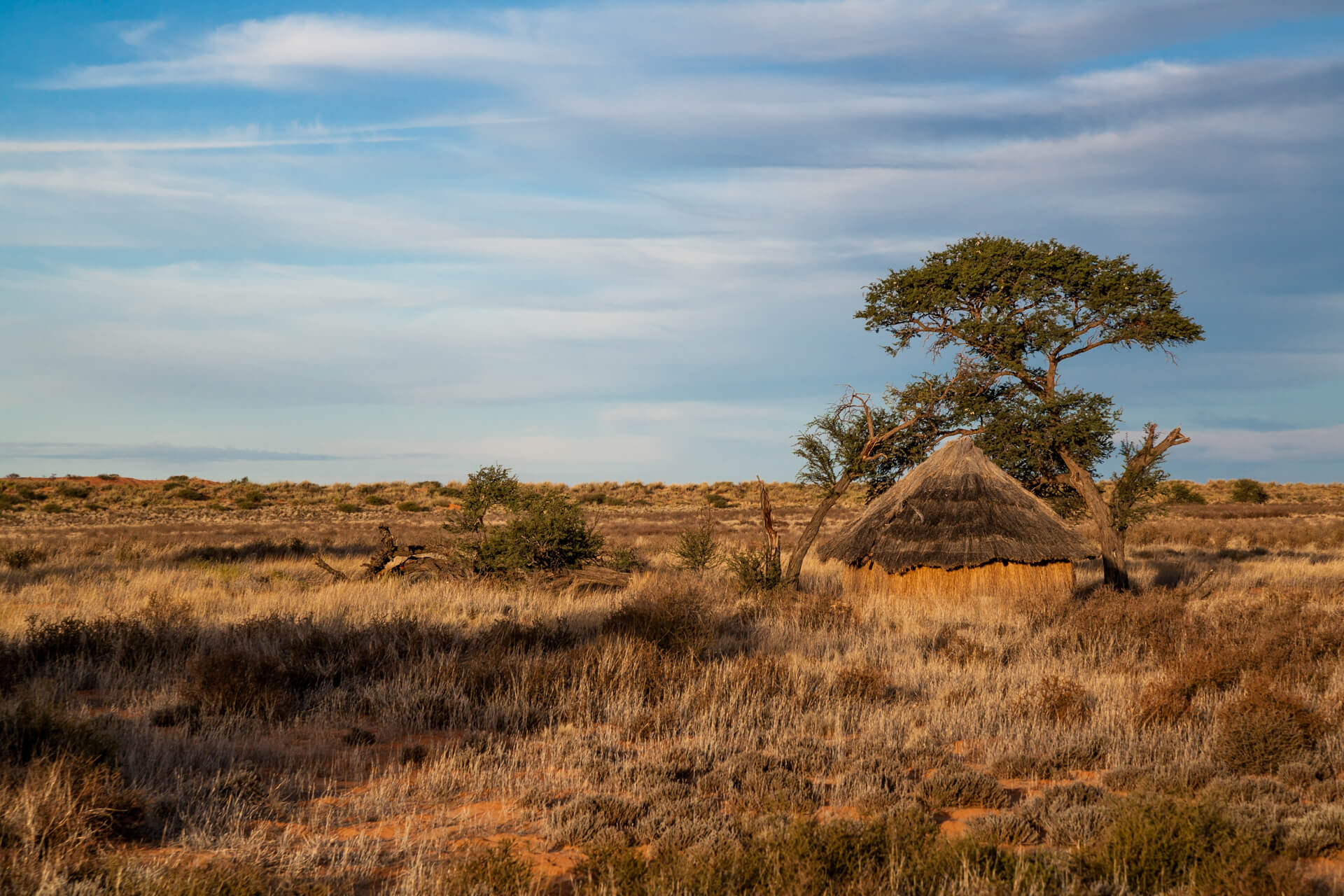
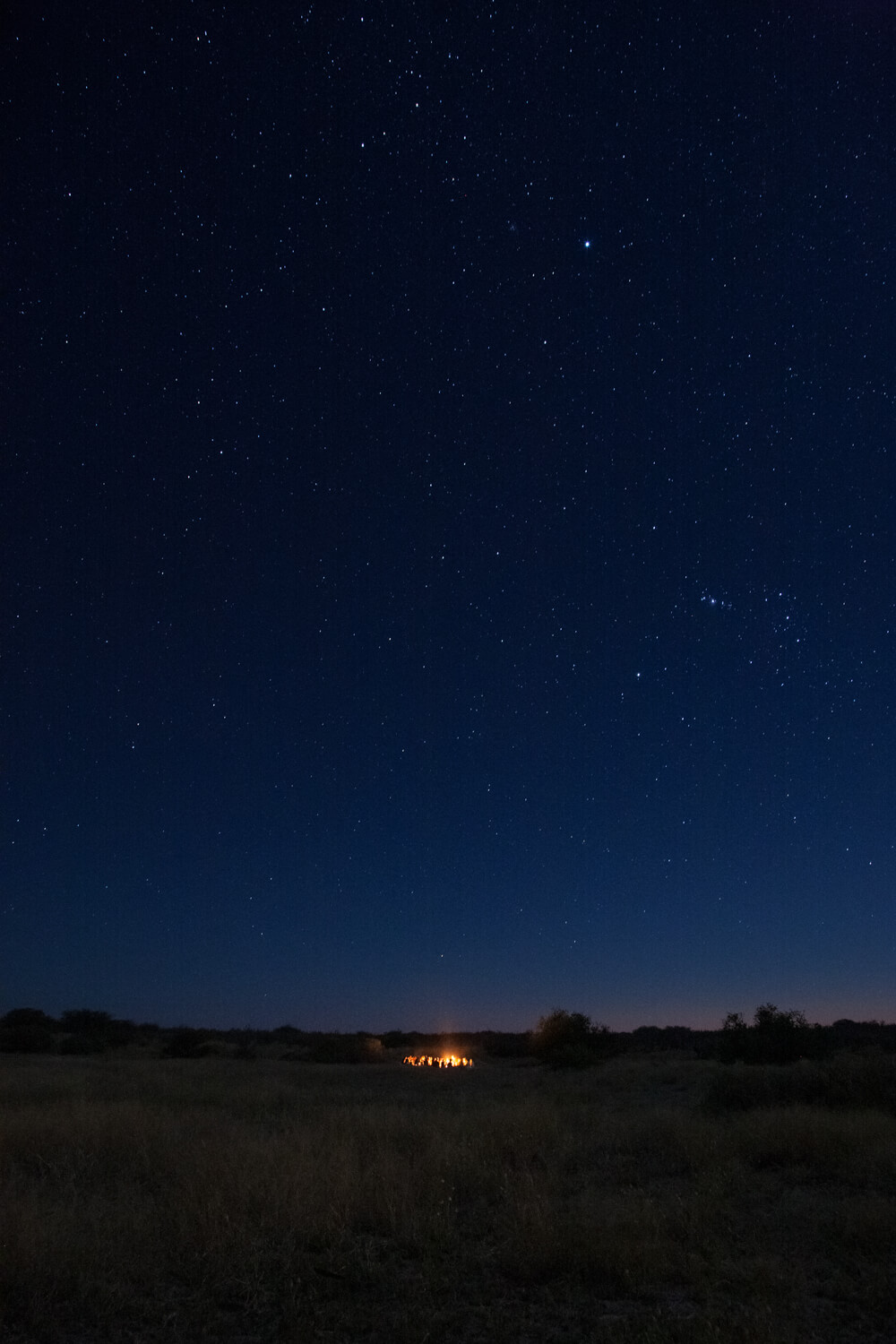
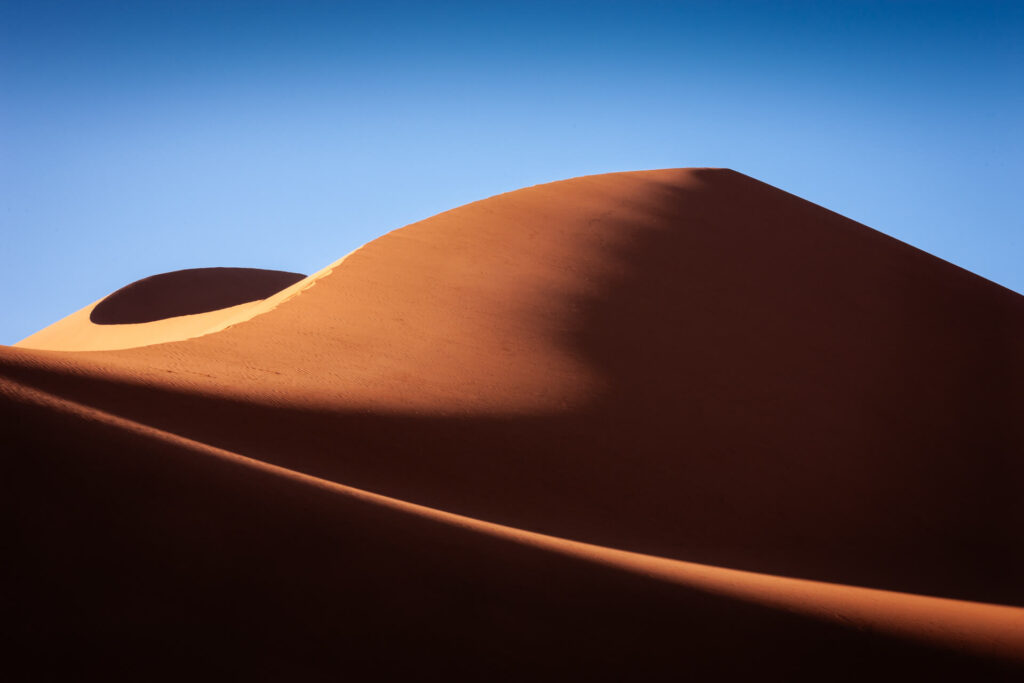
In the Kalahari Desert, where the arid landscape stretches endlessly across northern South Africa, Namibia, and Botswana, live the San people, often referred to as the Bushmen in colonial times. The name "San" (S-A-N) represents a proud and resilient group that has called this harsh land home for thousands of years. The San are among the world’s oldest continuous cultures, having survived and adapted to an unforgiving environment long before modern history took shape.
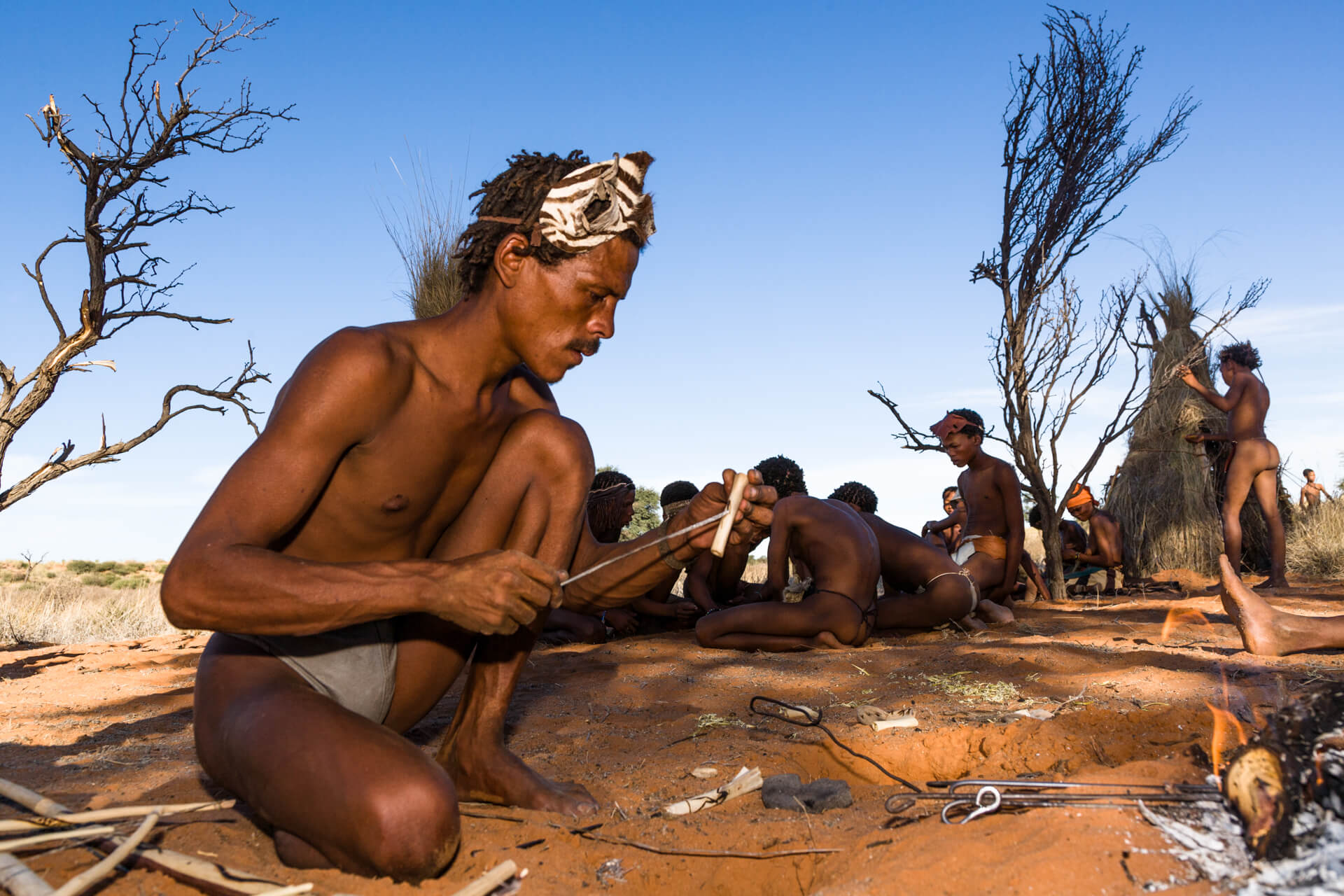
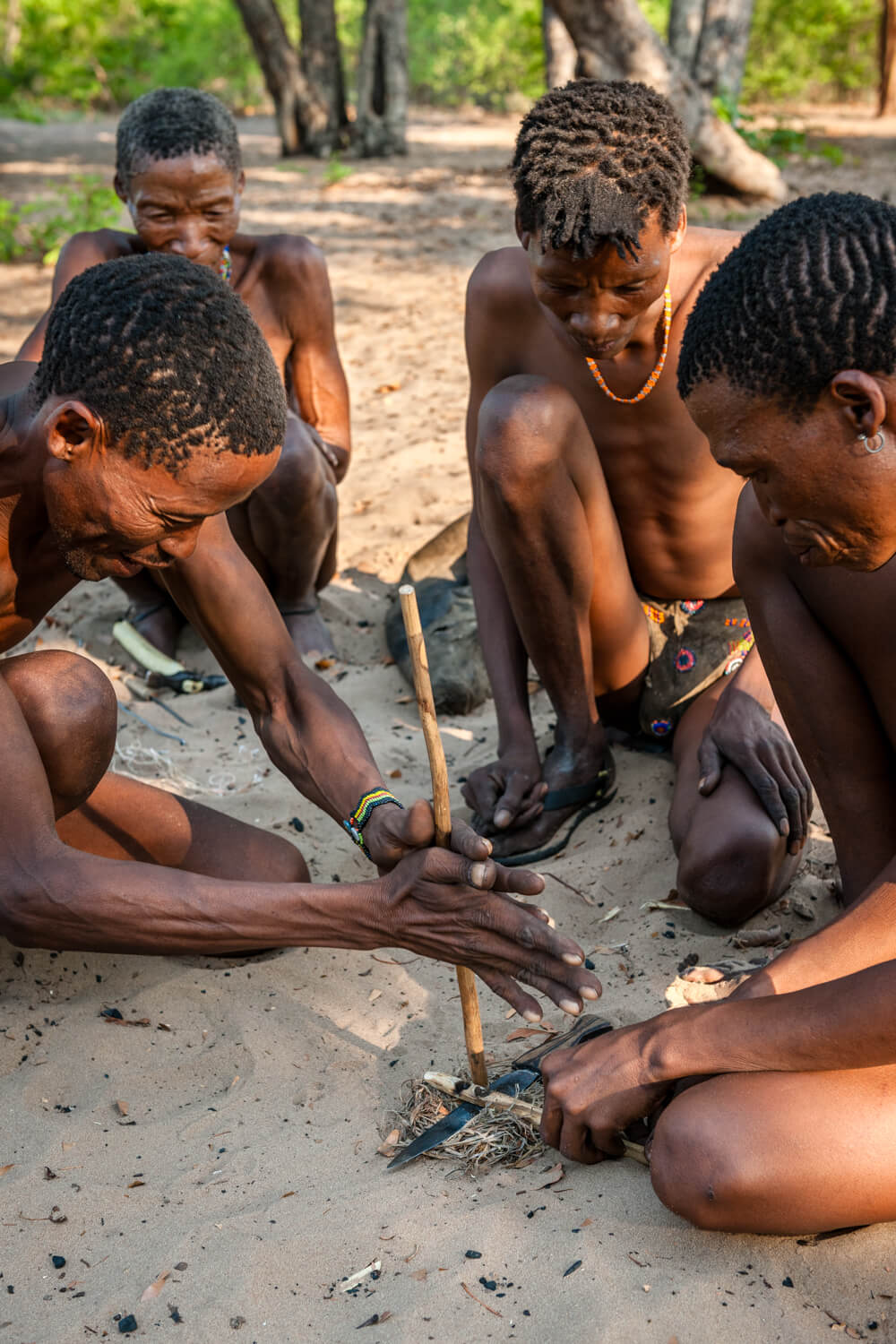
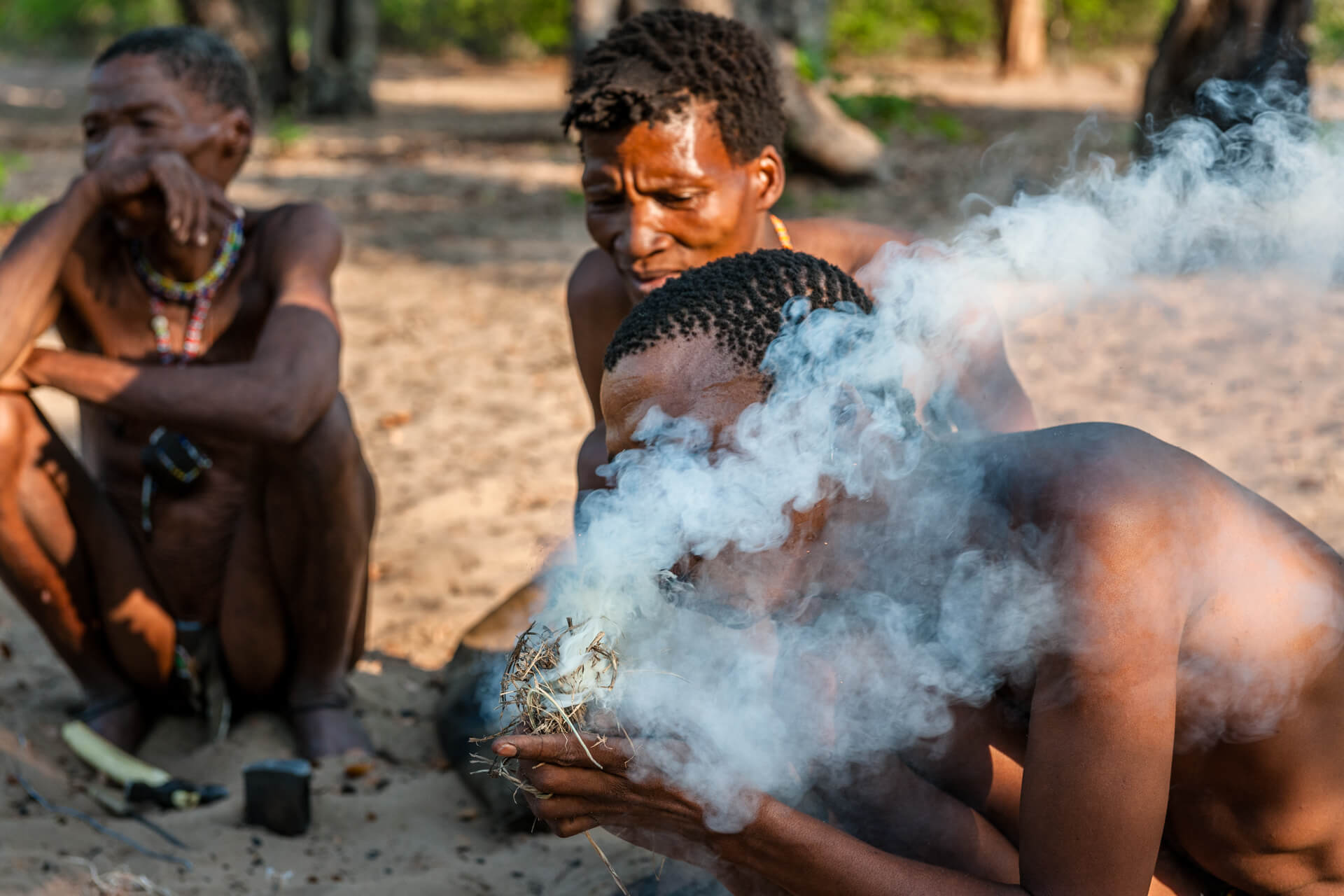
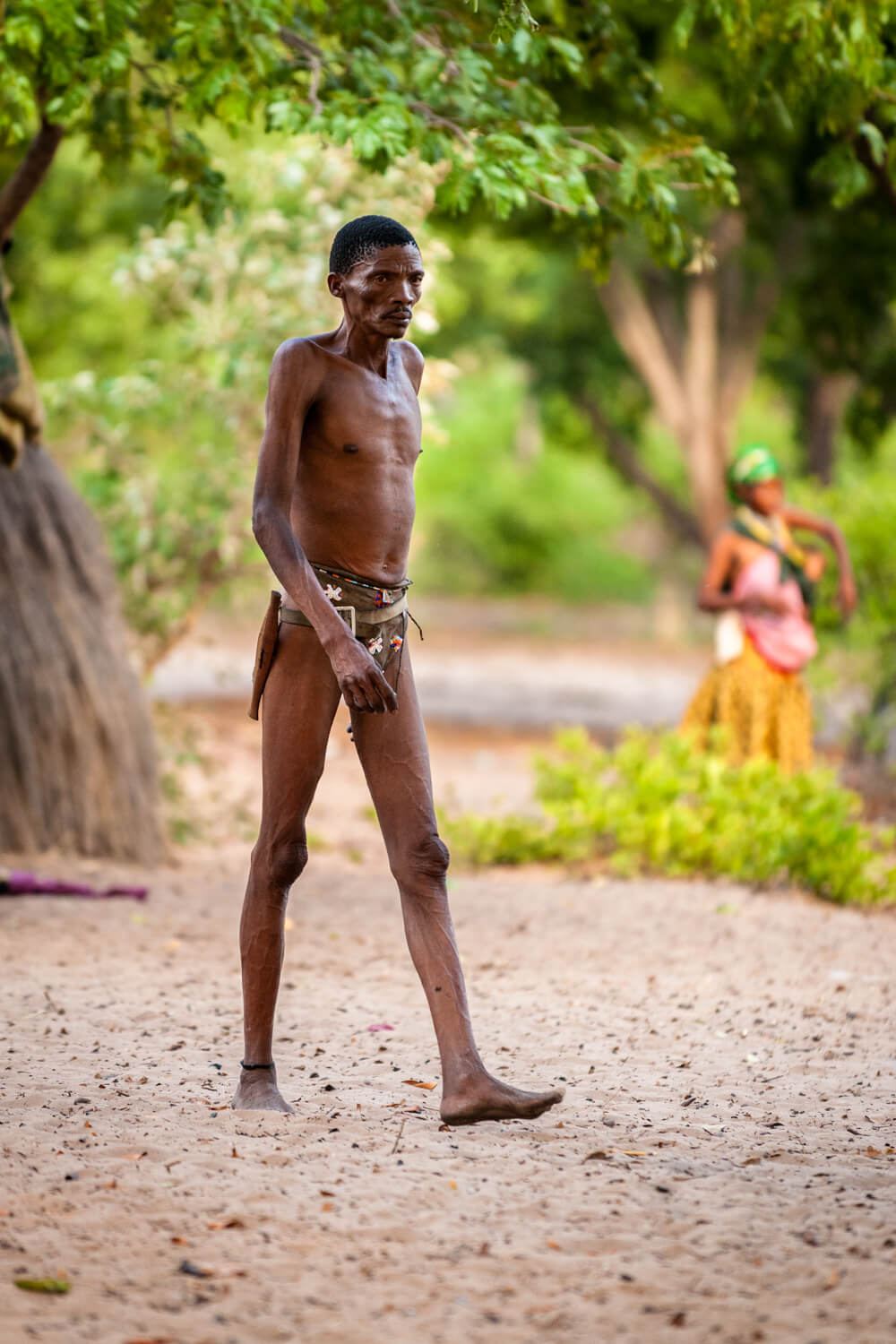
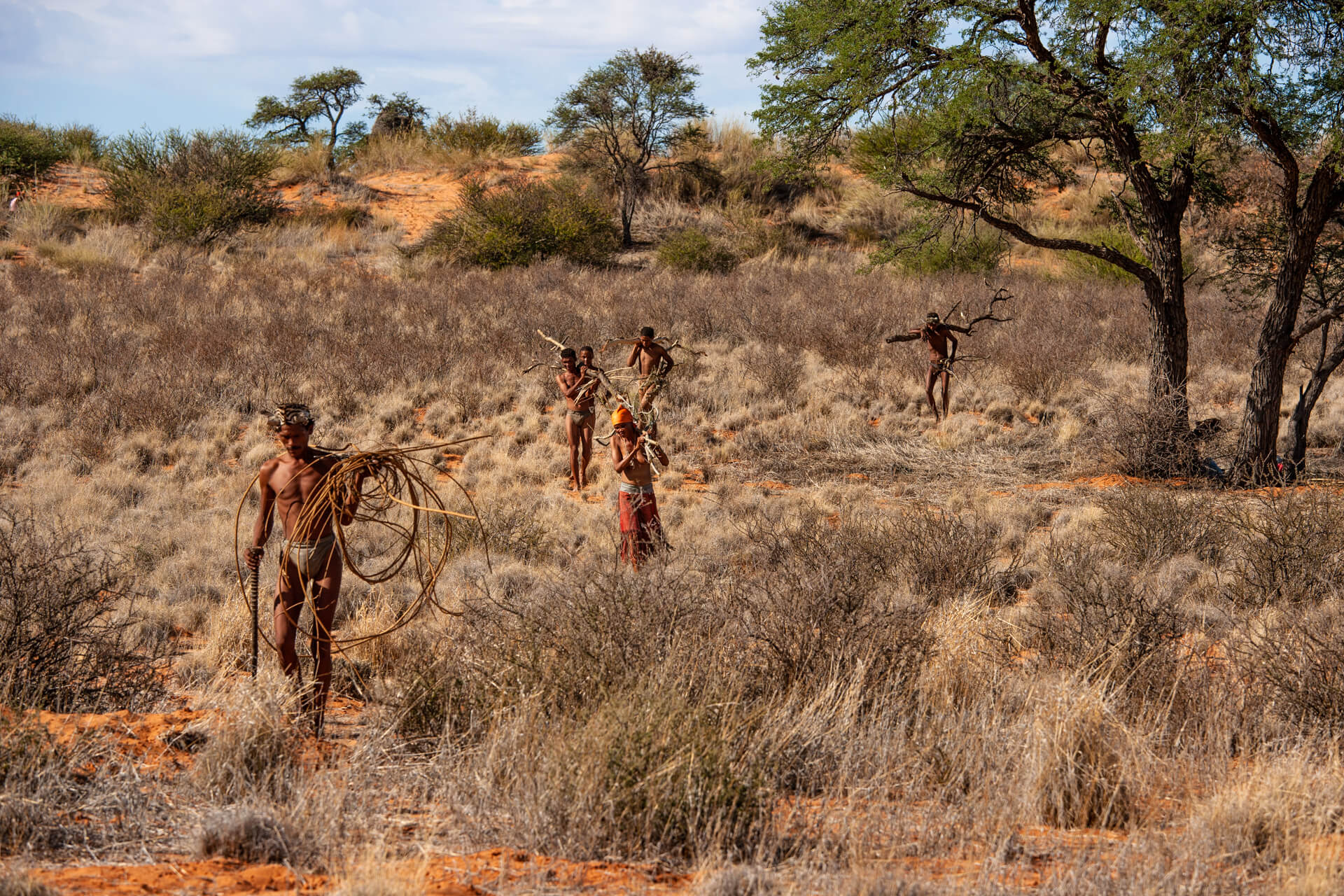
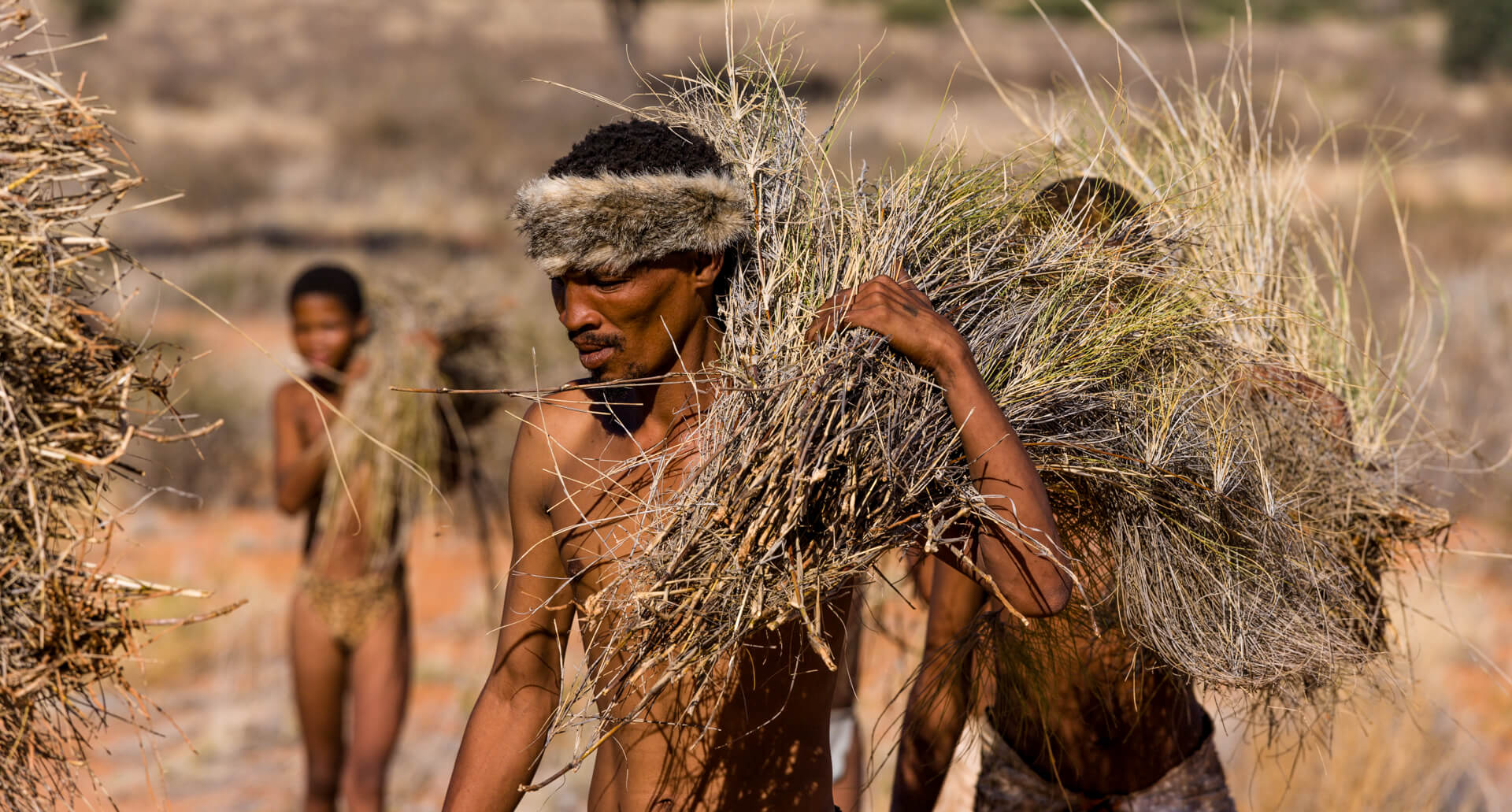
The San are traditionally hunter-gatherers, skilled in tracking, using intricate bows and arrows, and finding sustenance from the land, from edible plants to wild animals. Their deep connection to nature is reflected in their art, language, and rituals, especially their rock art, which tells stories passed down through generations. They live in tight-knit communities, moving seasonally to follow food sources, always maintaining an intimate bond with the land.
But in recent centuries, their traditional way of life has been under constant pressure. Colonialism, land dispossession, and government policies have fragmented their communities, pushing them to the brink of extinction. The land they once roamed freely has been taken over for farming and cattle ranching, leaving many San without their traditional resources. Forced onto government reservations or urban areas, their cultural identity began to erode, and many San people were pushed into a life of poverty, living on the fringes of society.
The repercussions of these hardships were profound. For many San, this disruption of their way of life led to a tragic rise in alcoholism and the breakdown of family structures. But even in the face of such adversity, there were communities that refused to give up their traditions. These resilient groups continued to hold on to their knowledge of the land, their customs, and their connection to each other, despite all the pressures to abandon their way of life.
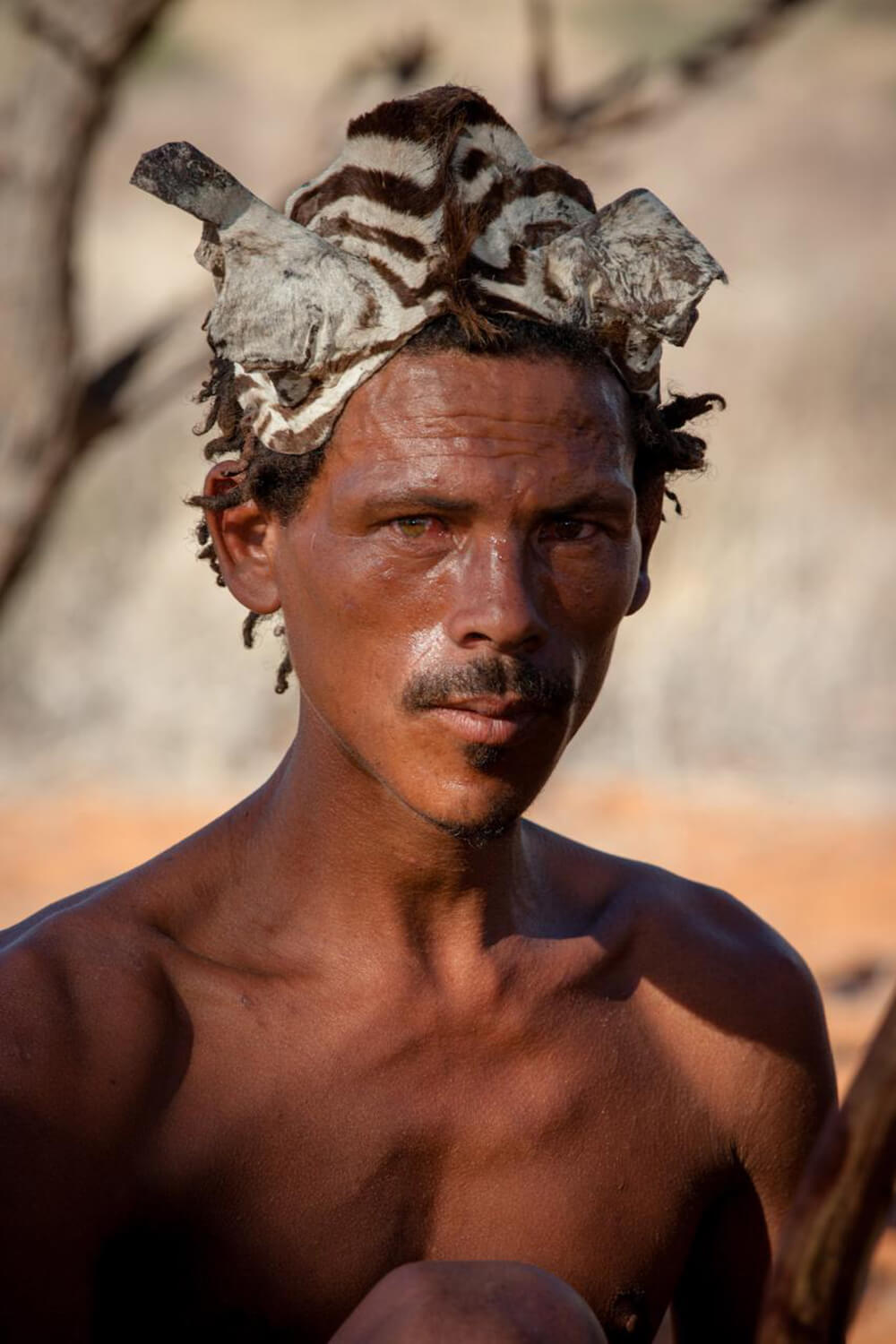
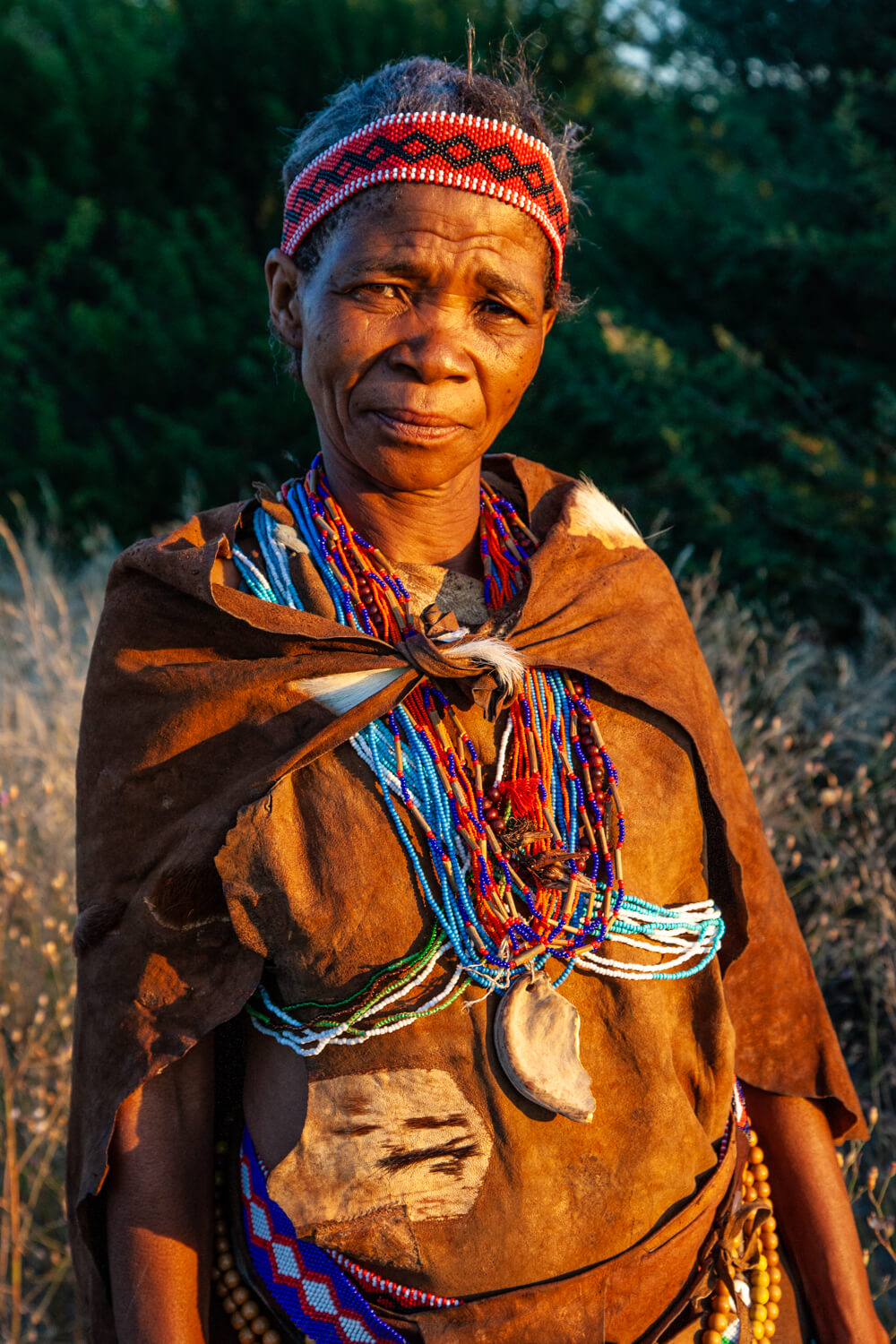
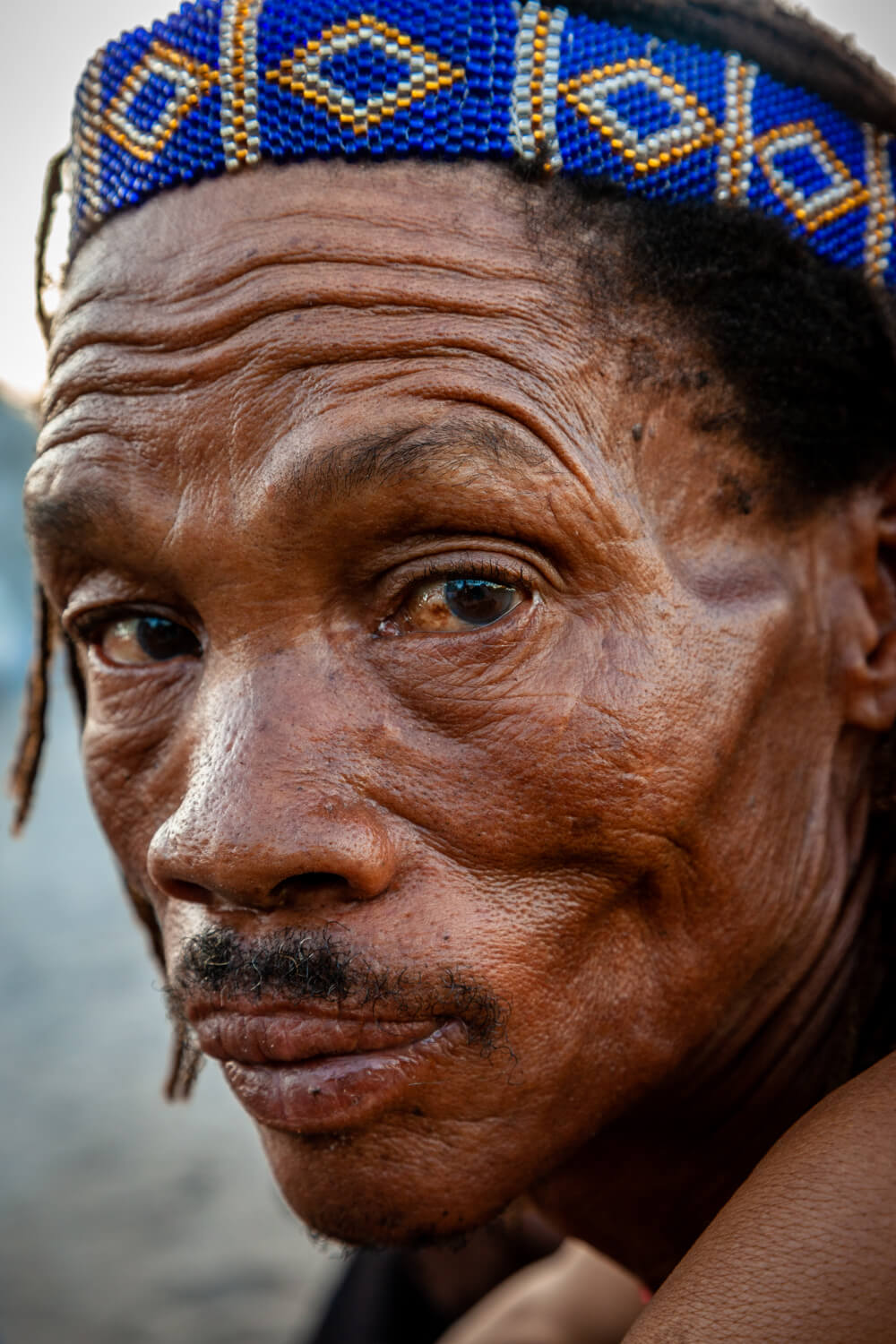
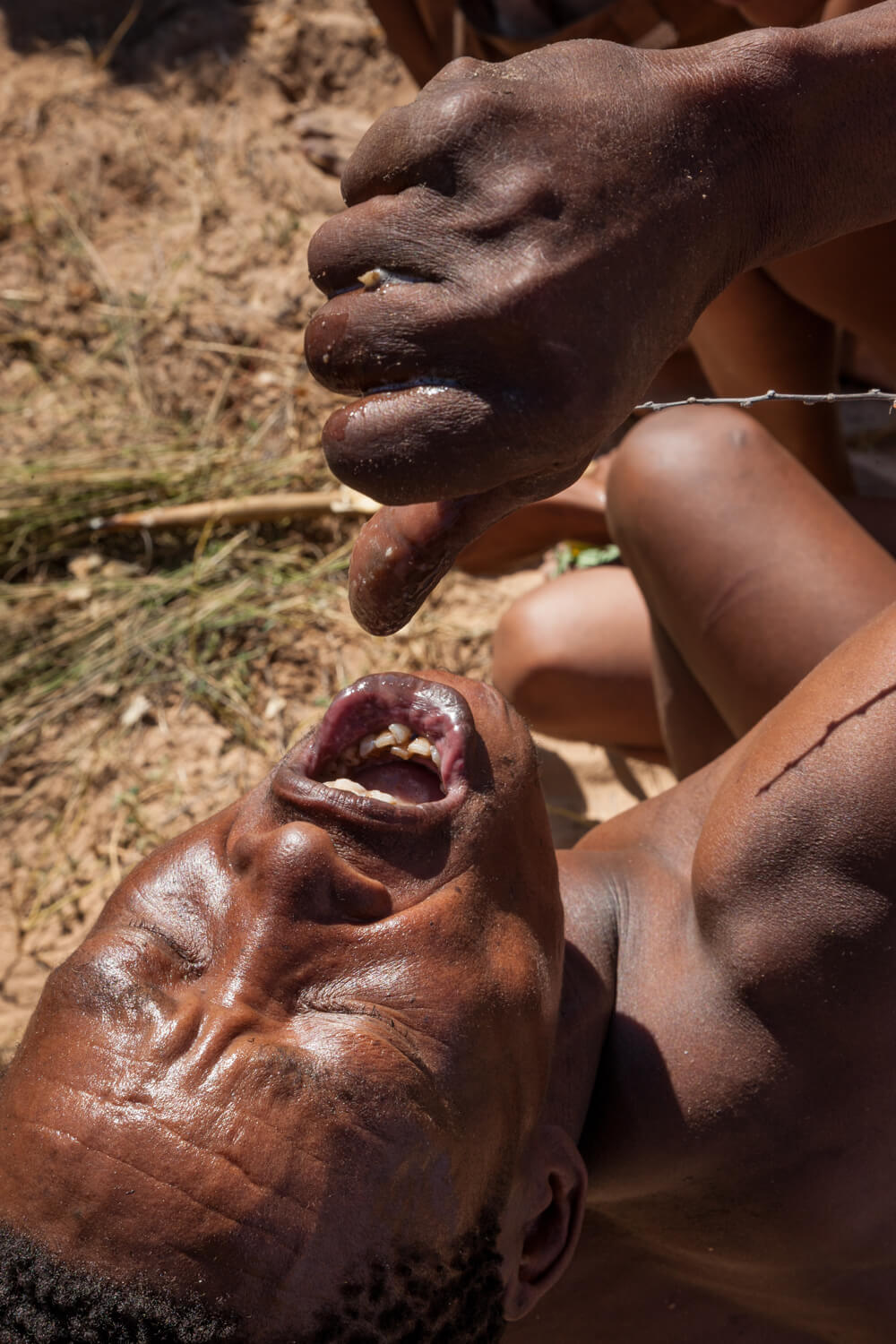
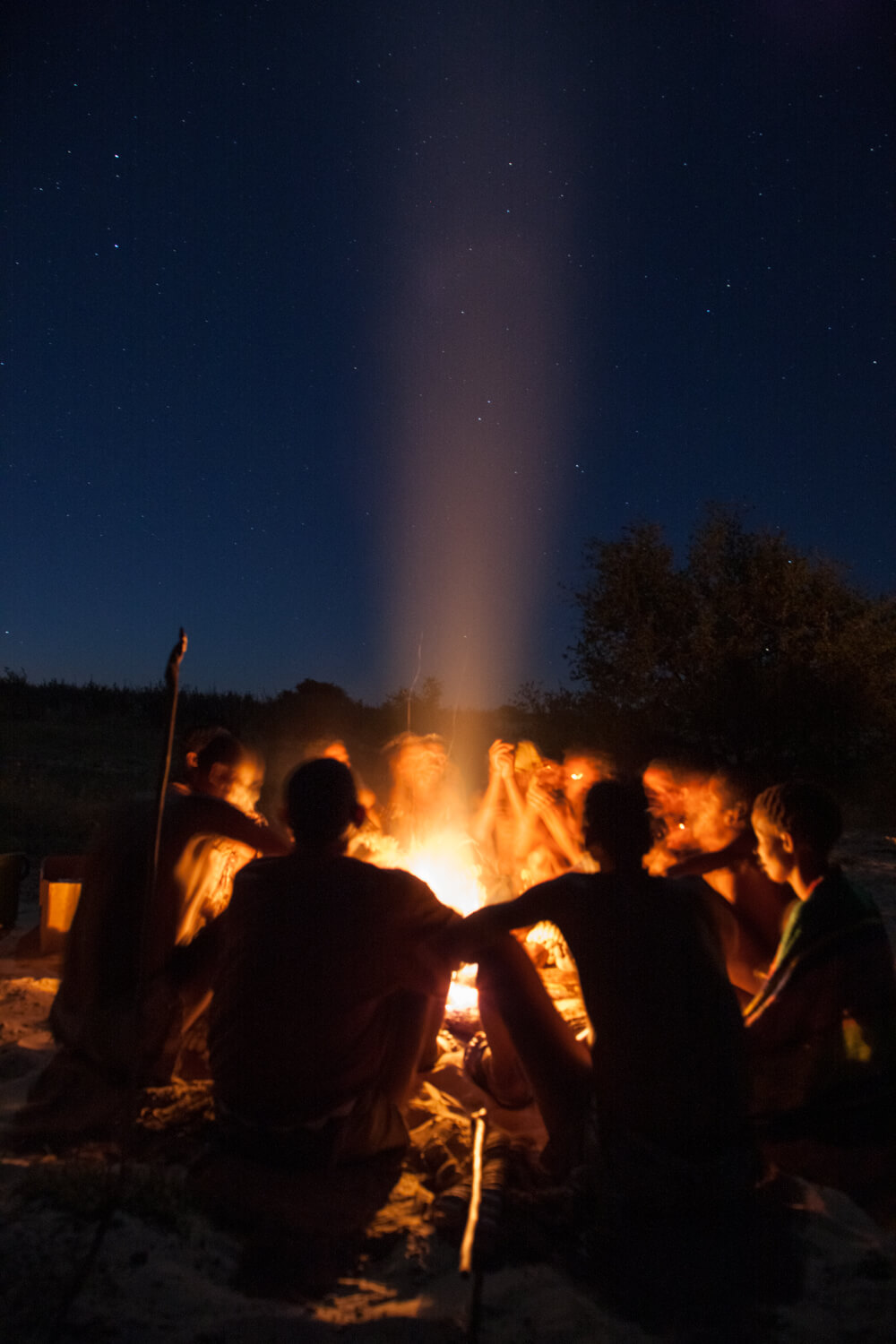
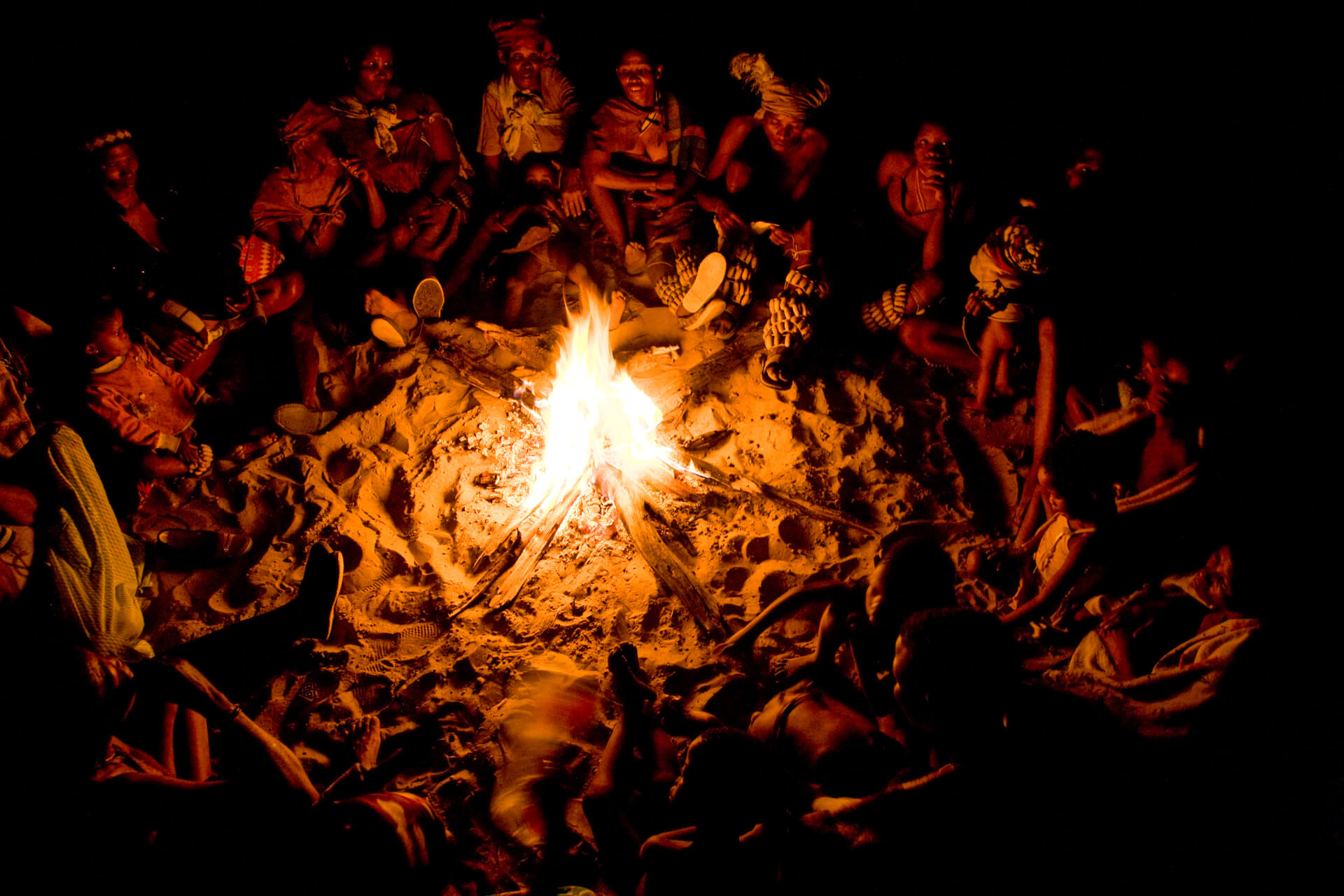
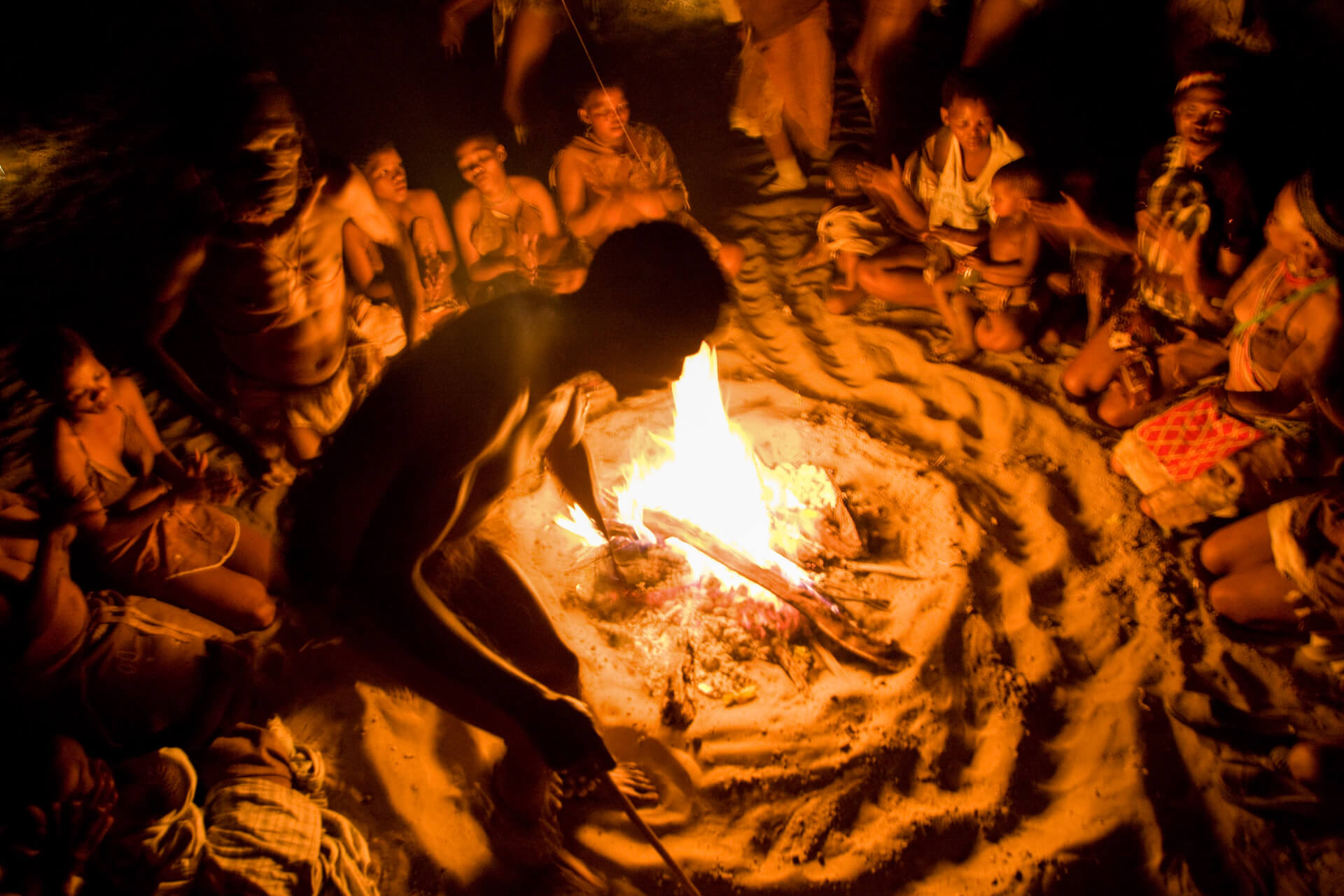
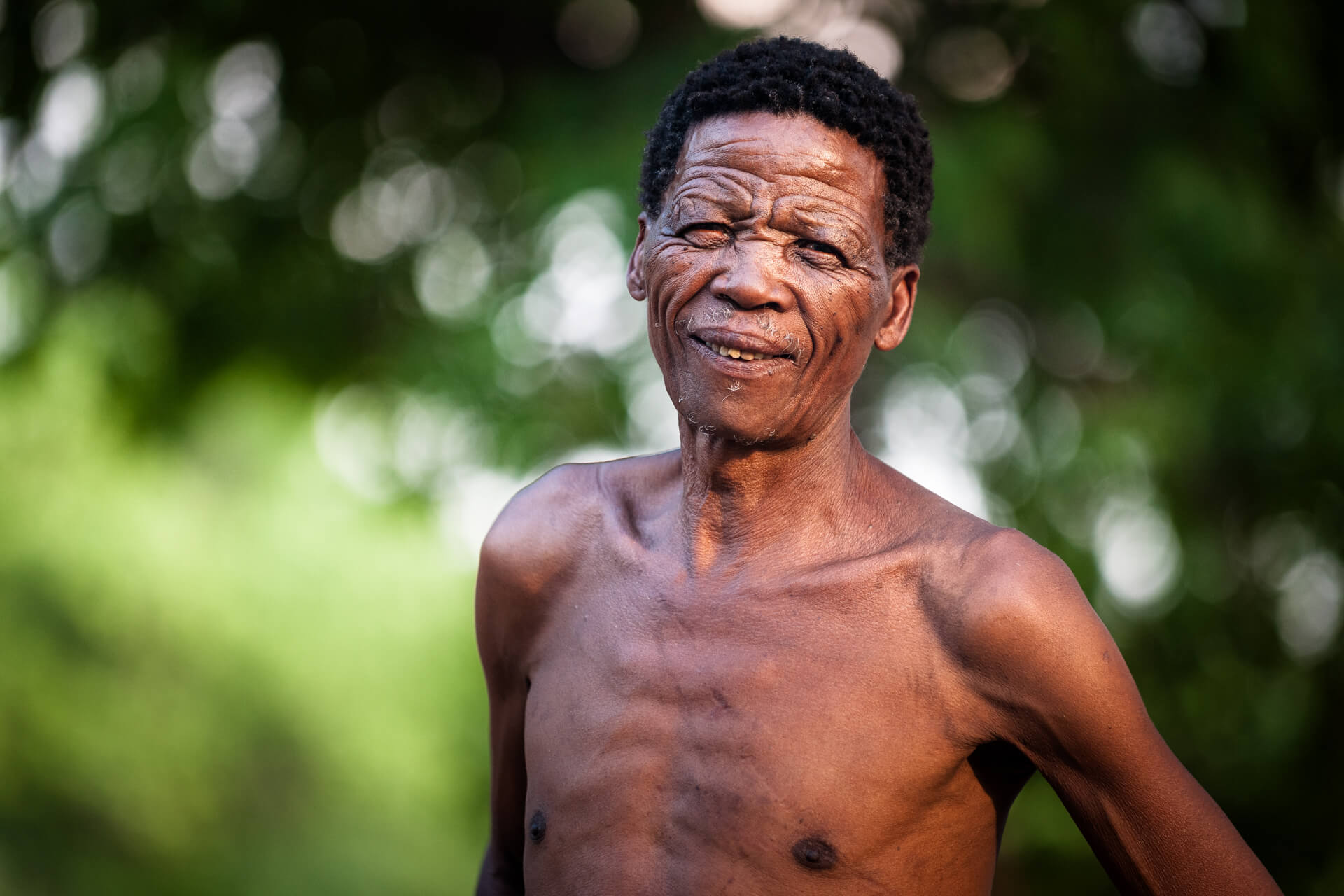
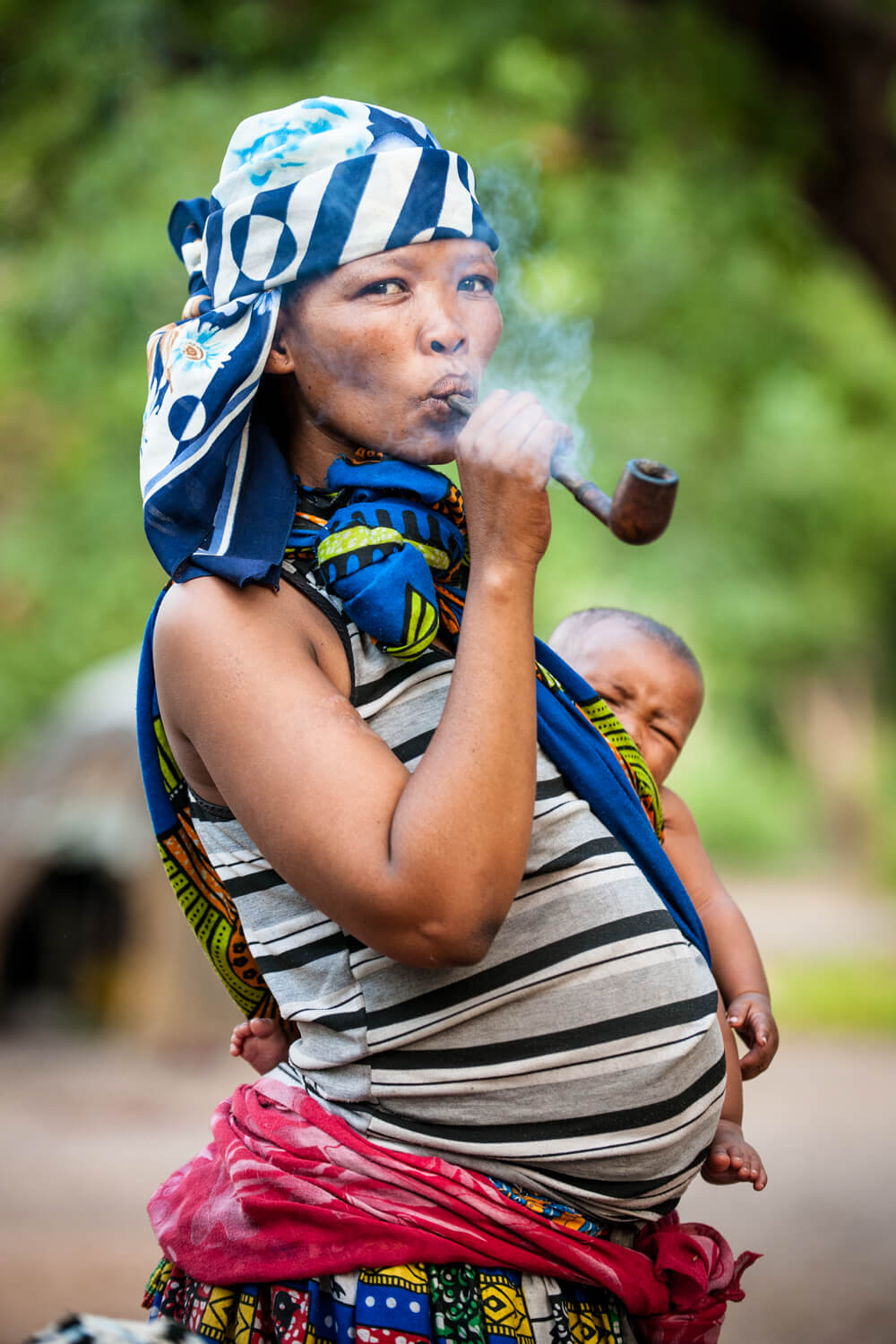
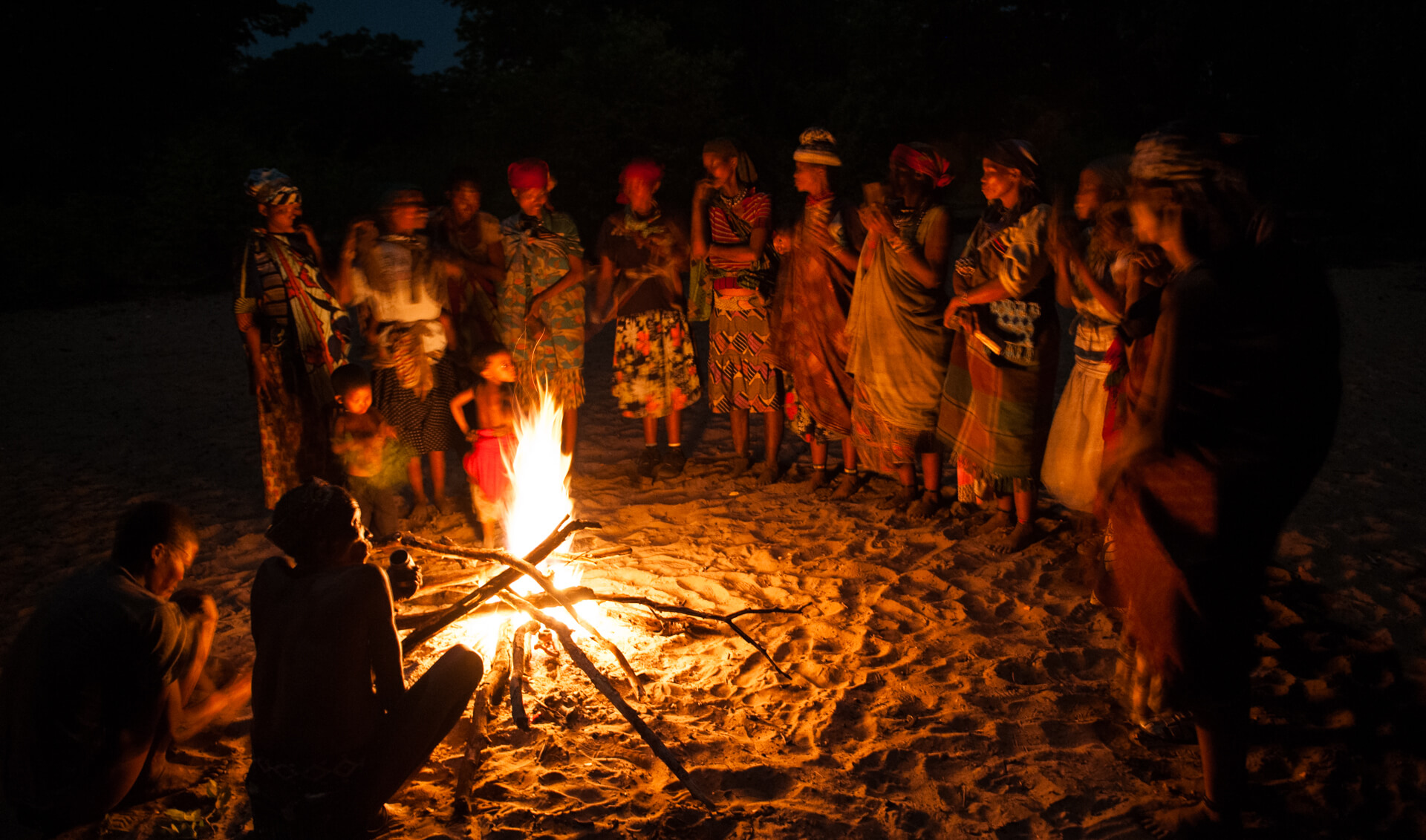
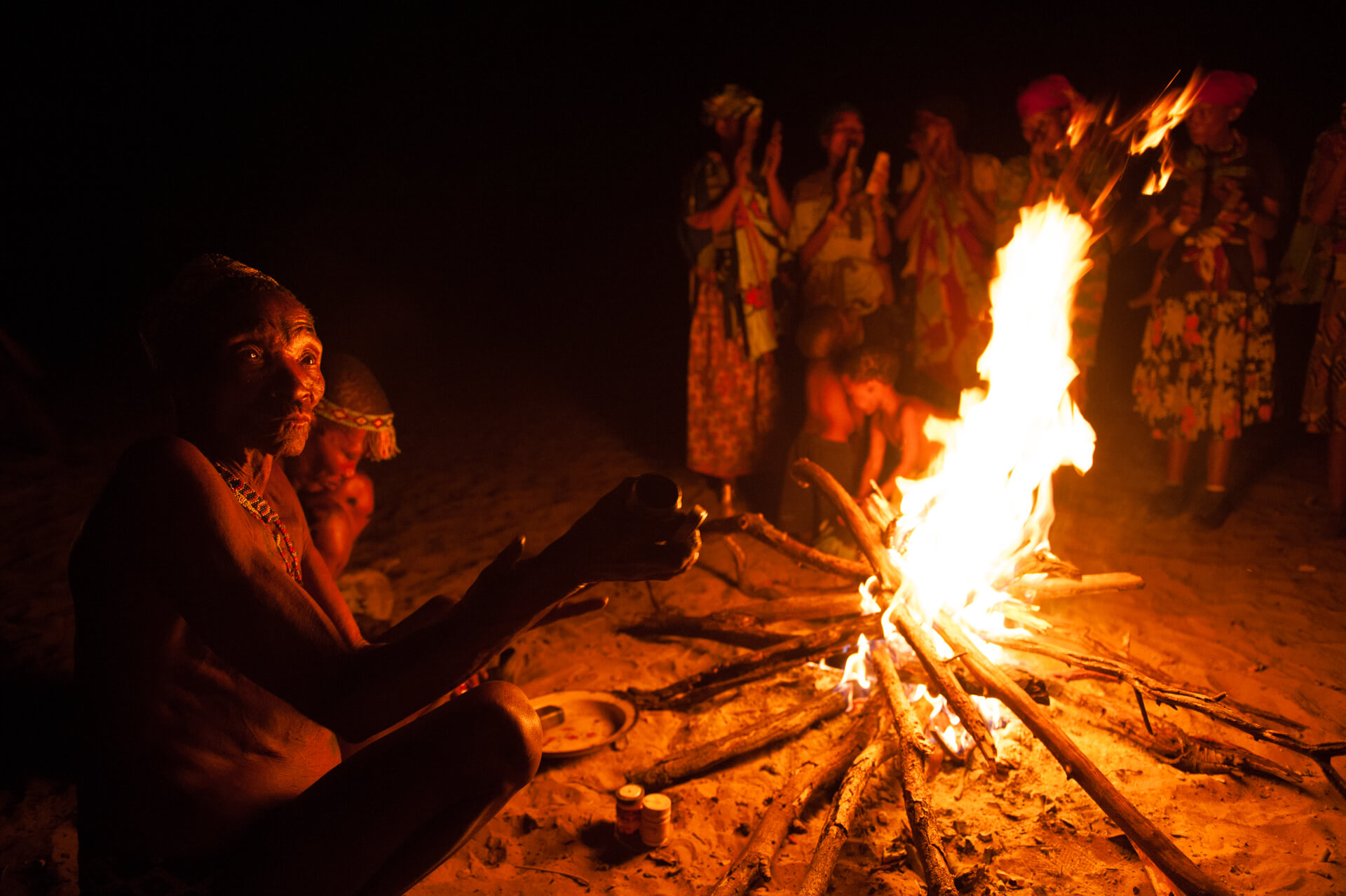
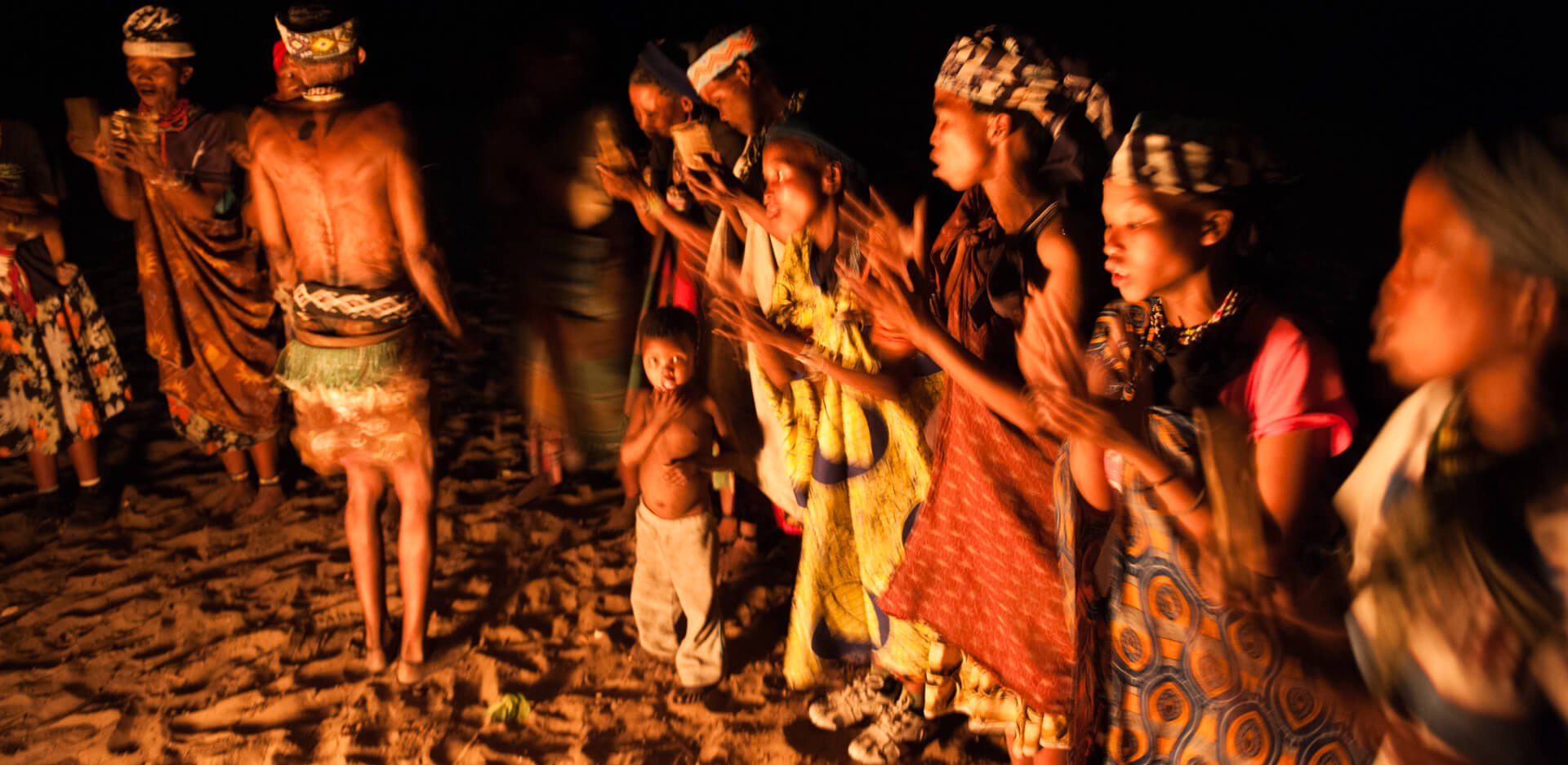
I had the privilege of photographing the San people on several occasions. Venturing into the heart of the Kalahari Desert, on my own, wanting to photograph the people in their unaltered state before modernization completely swept them away. I sought to understand not only their history but also the complexities of their modern-day struggles, hoping to give a voice to their story through my lens.
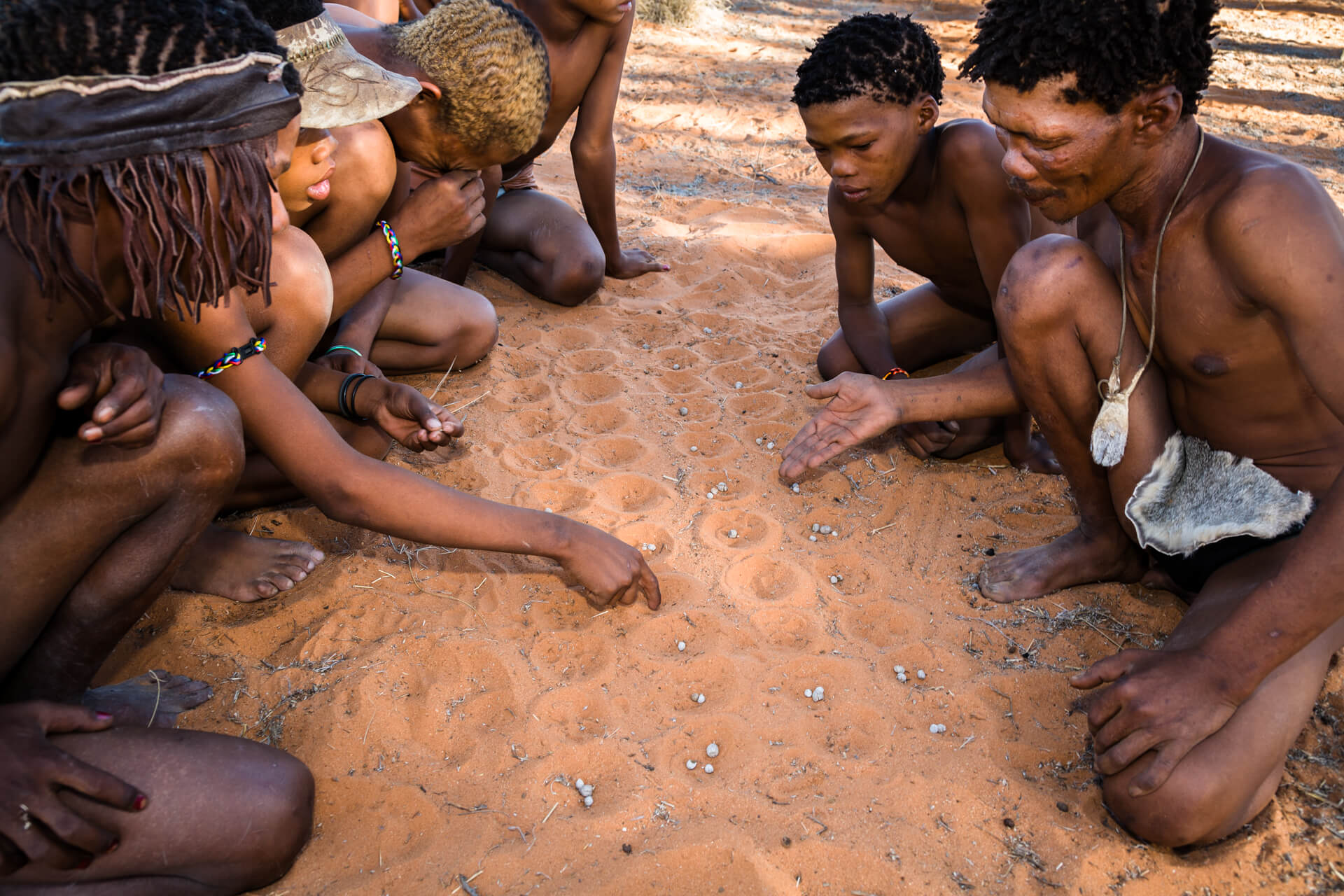
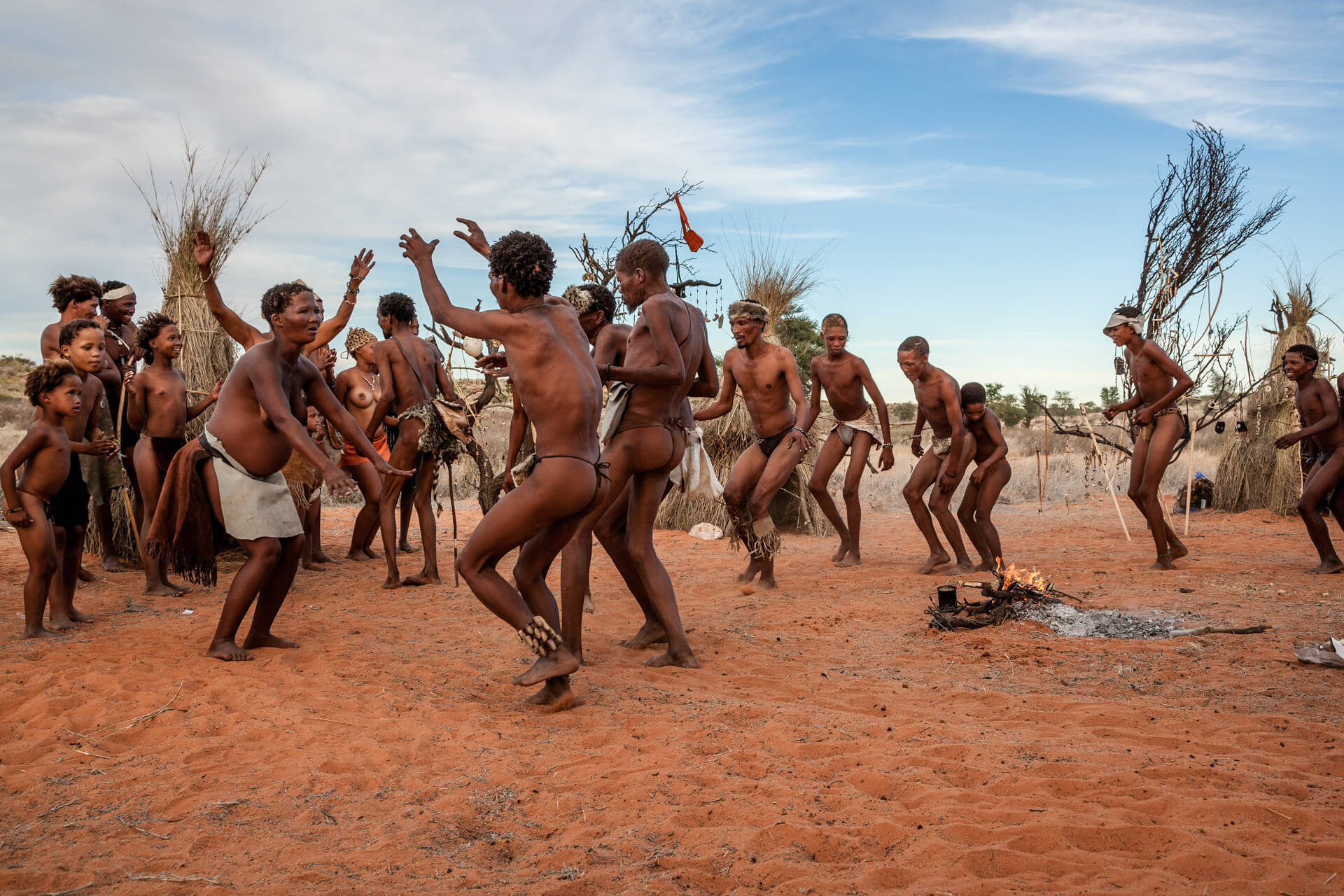
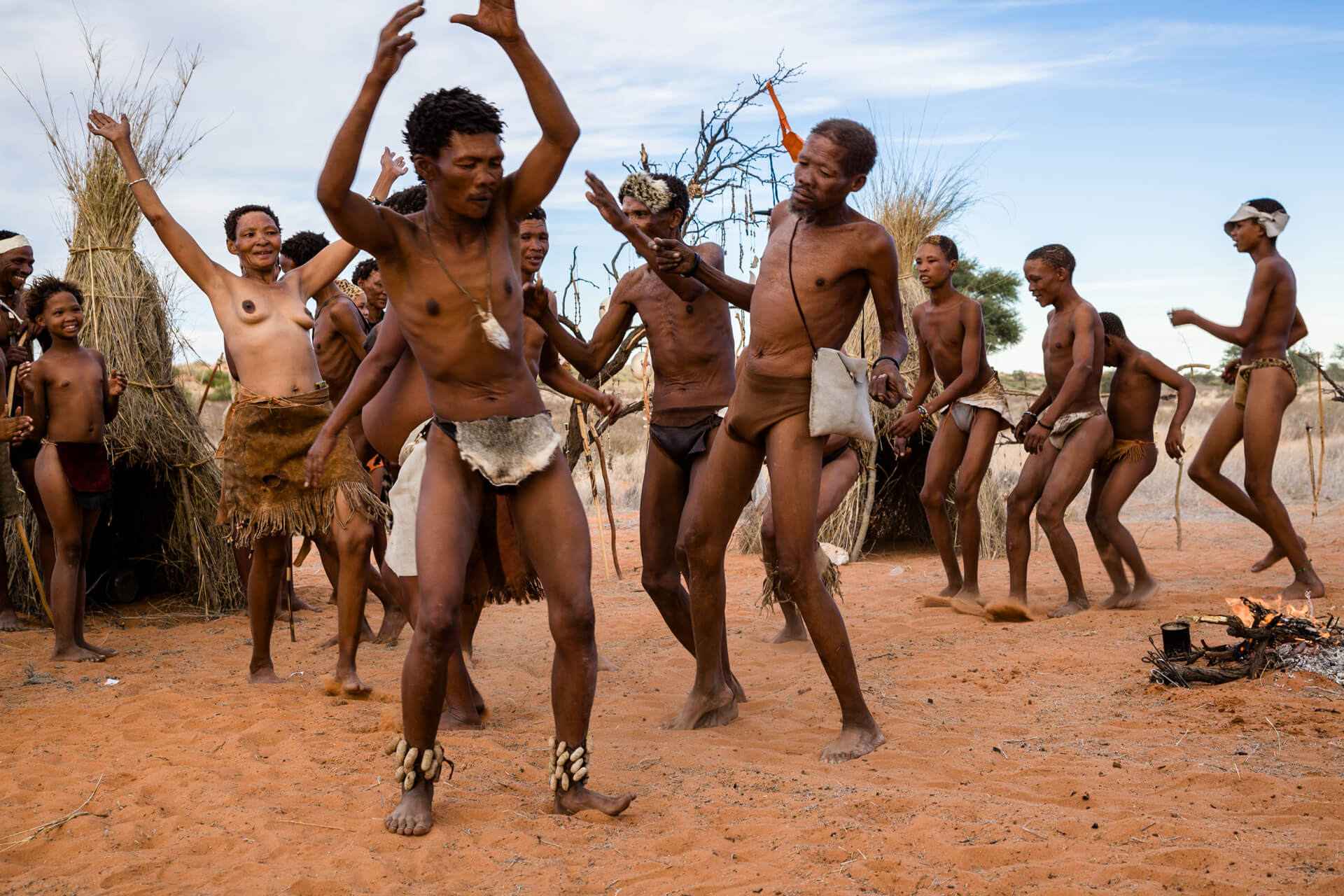
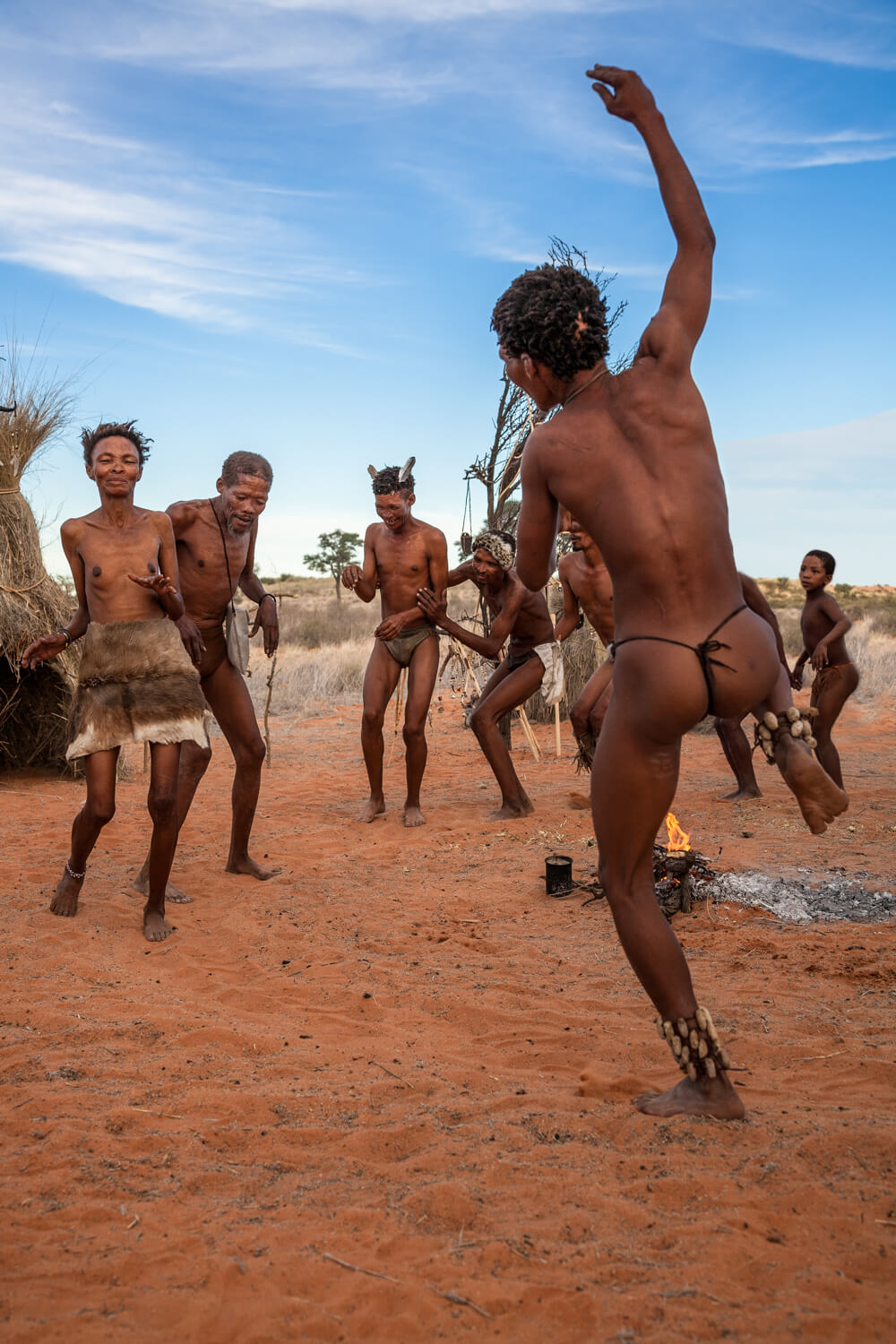
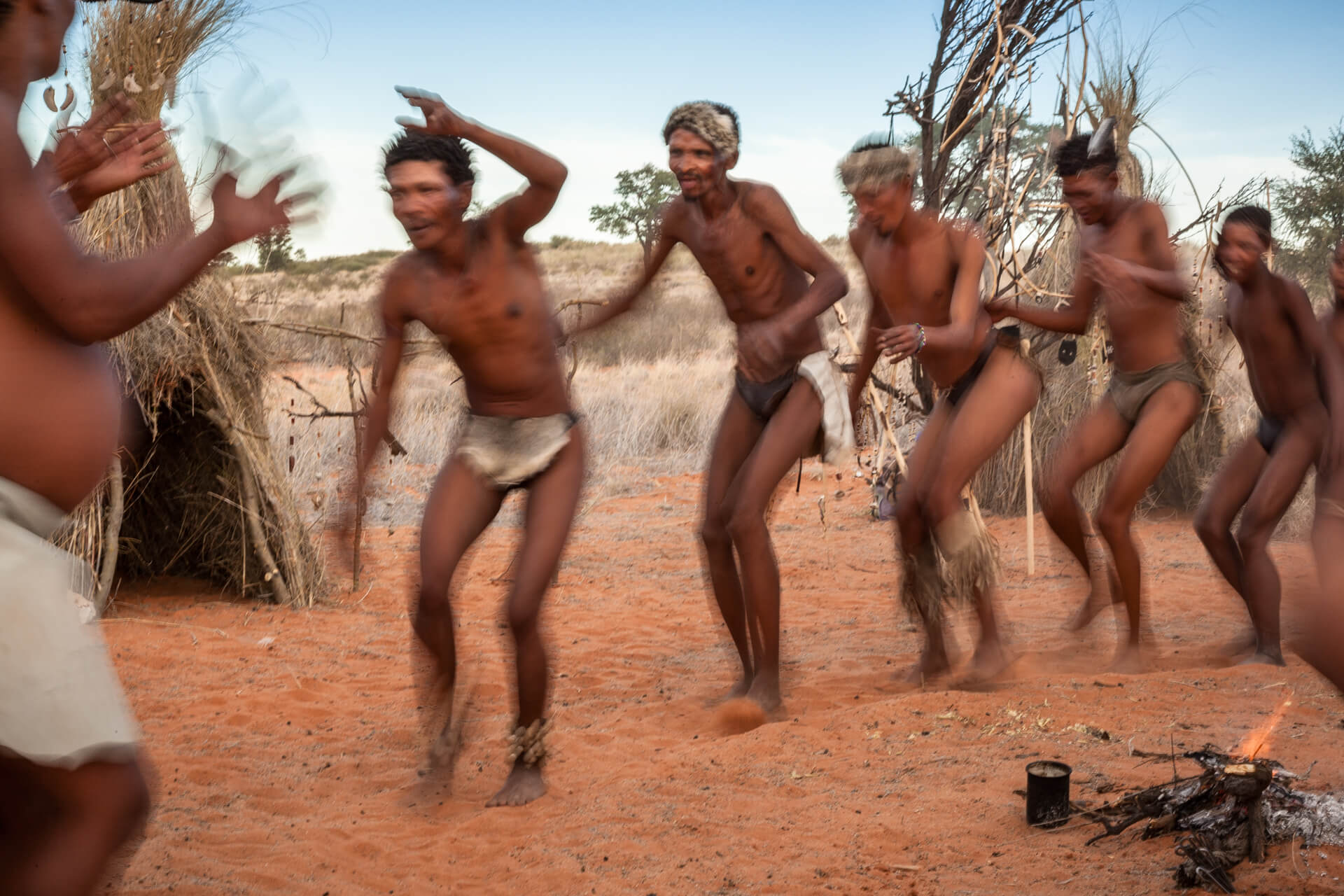
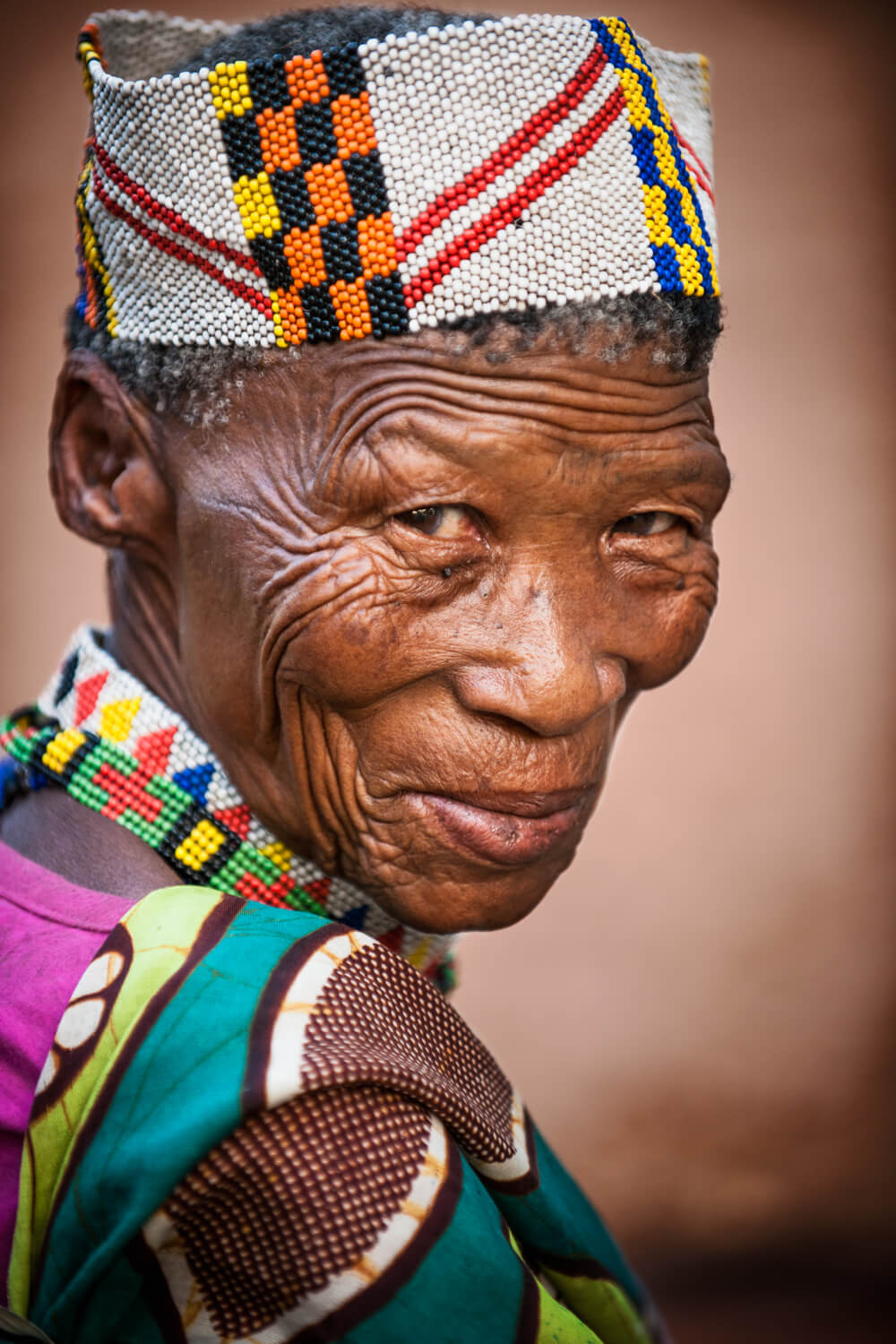
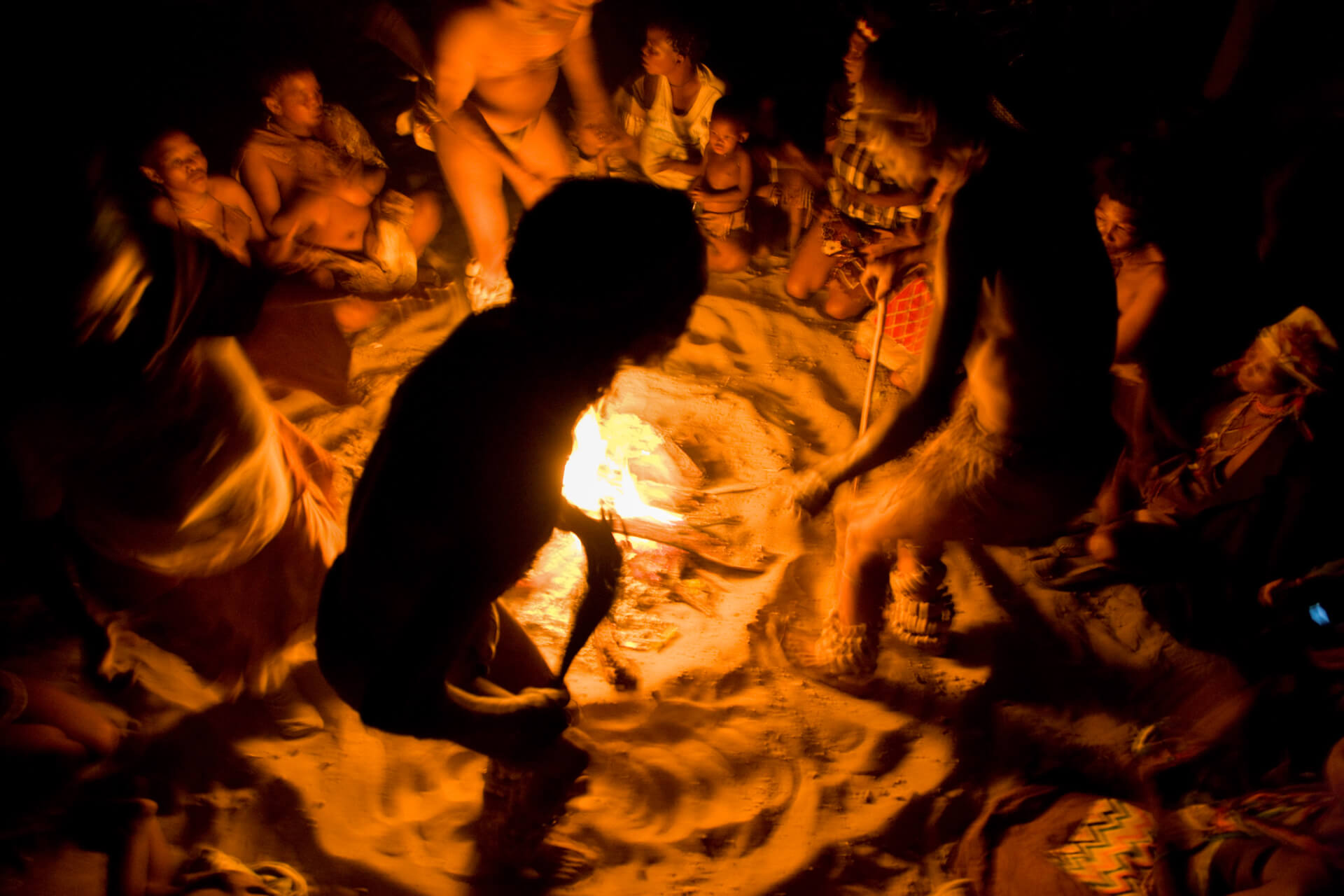
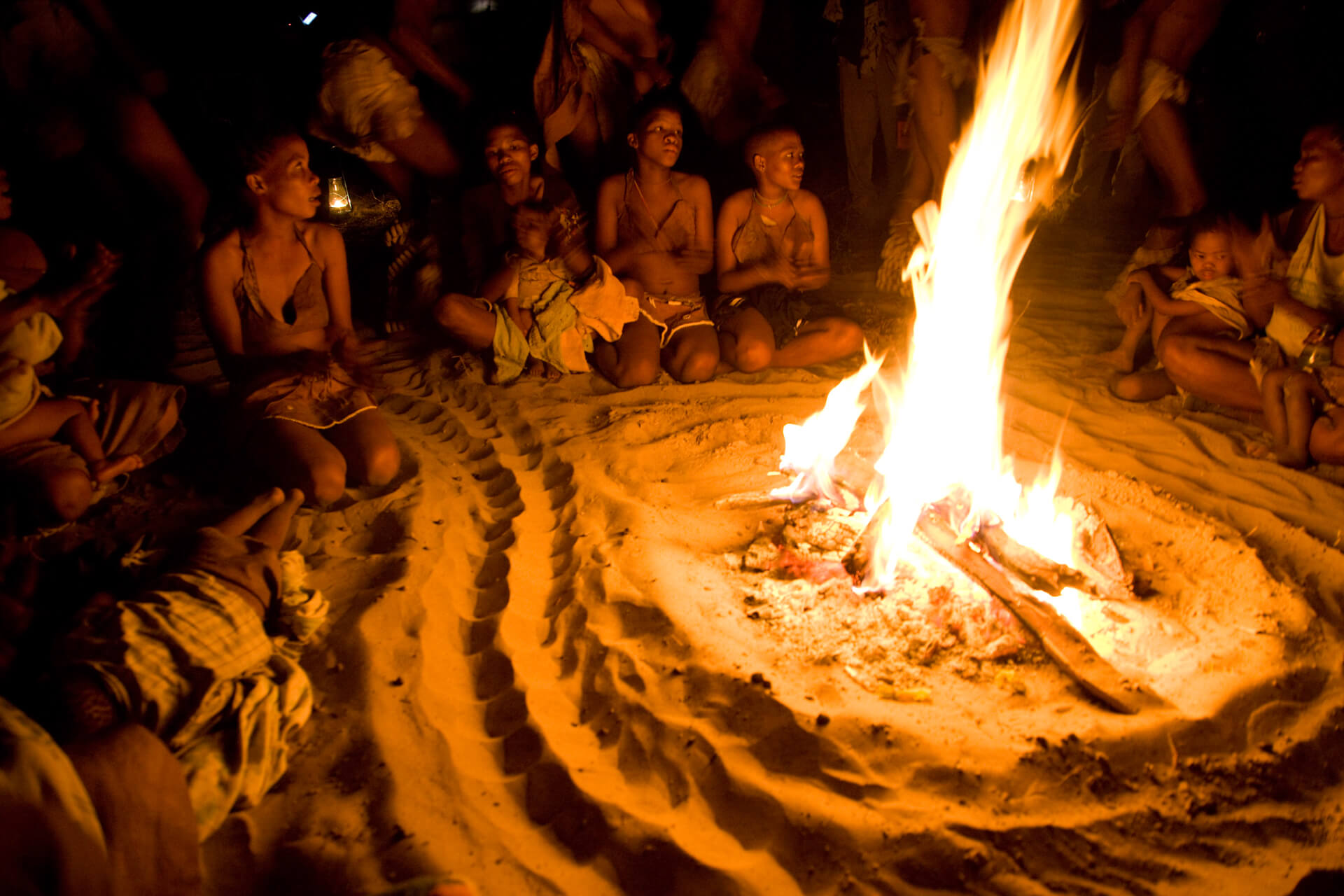
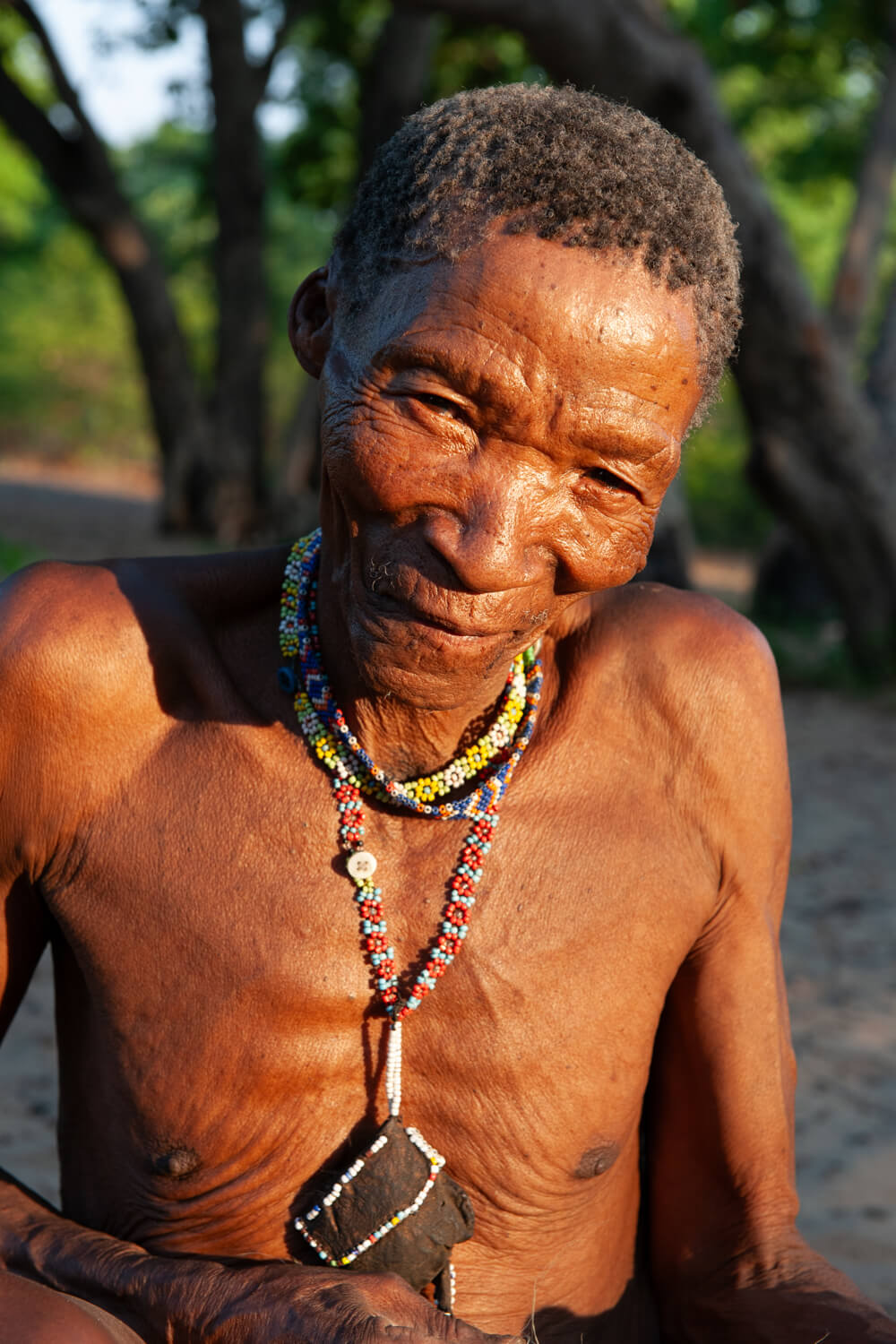
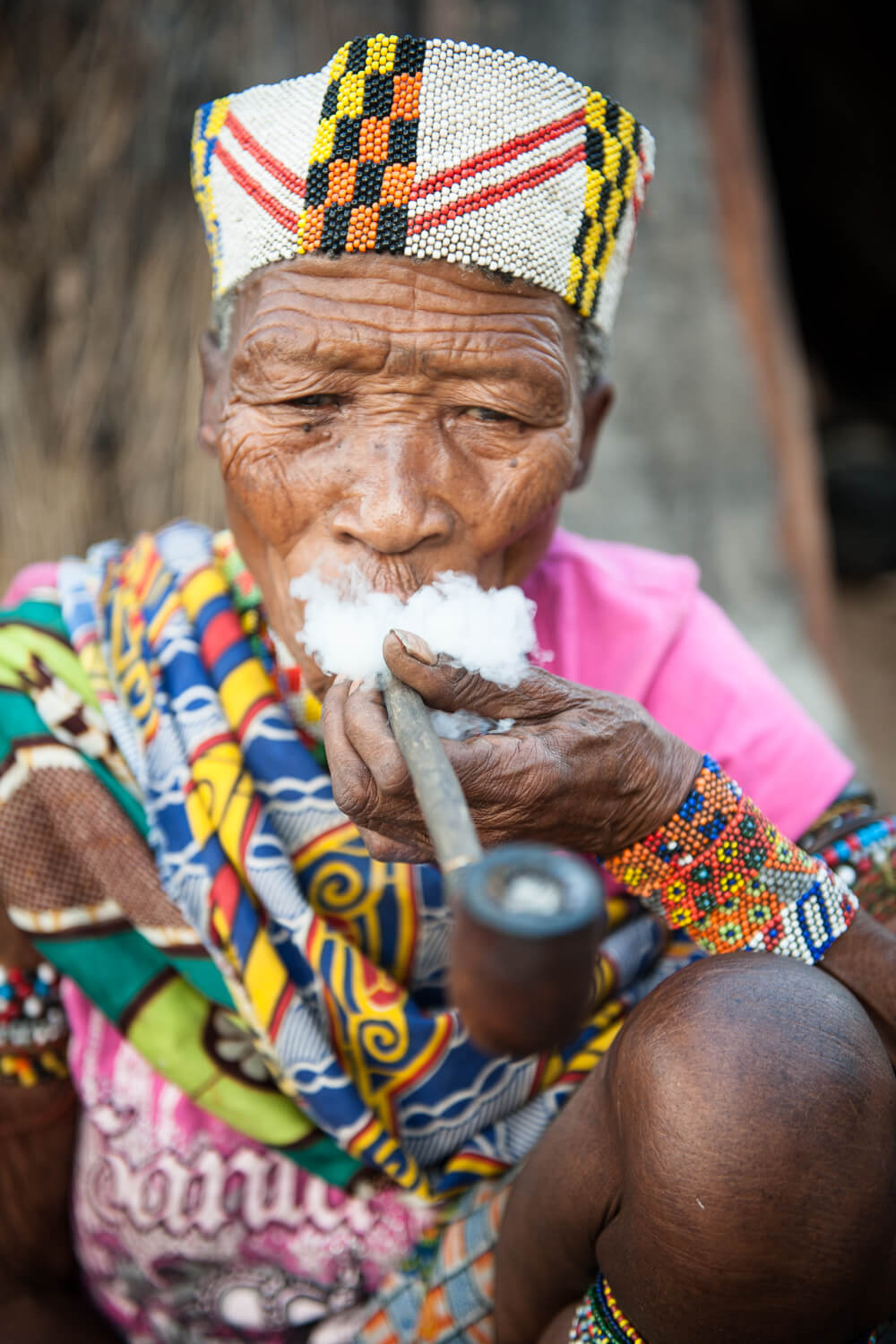
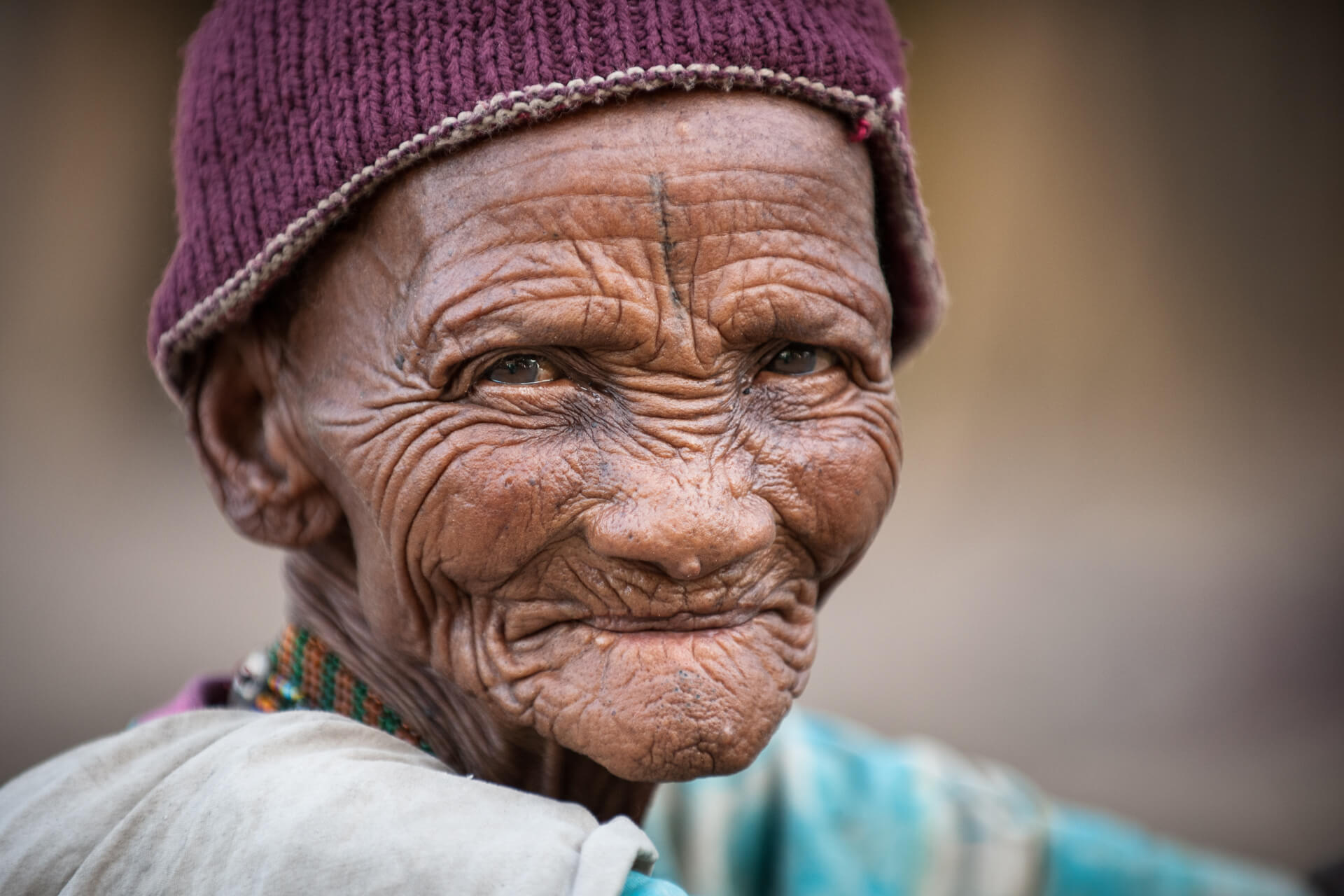
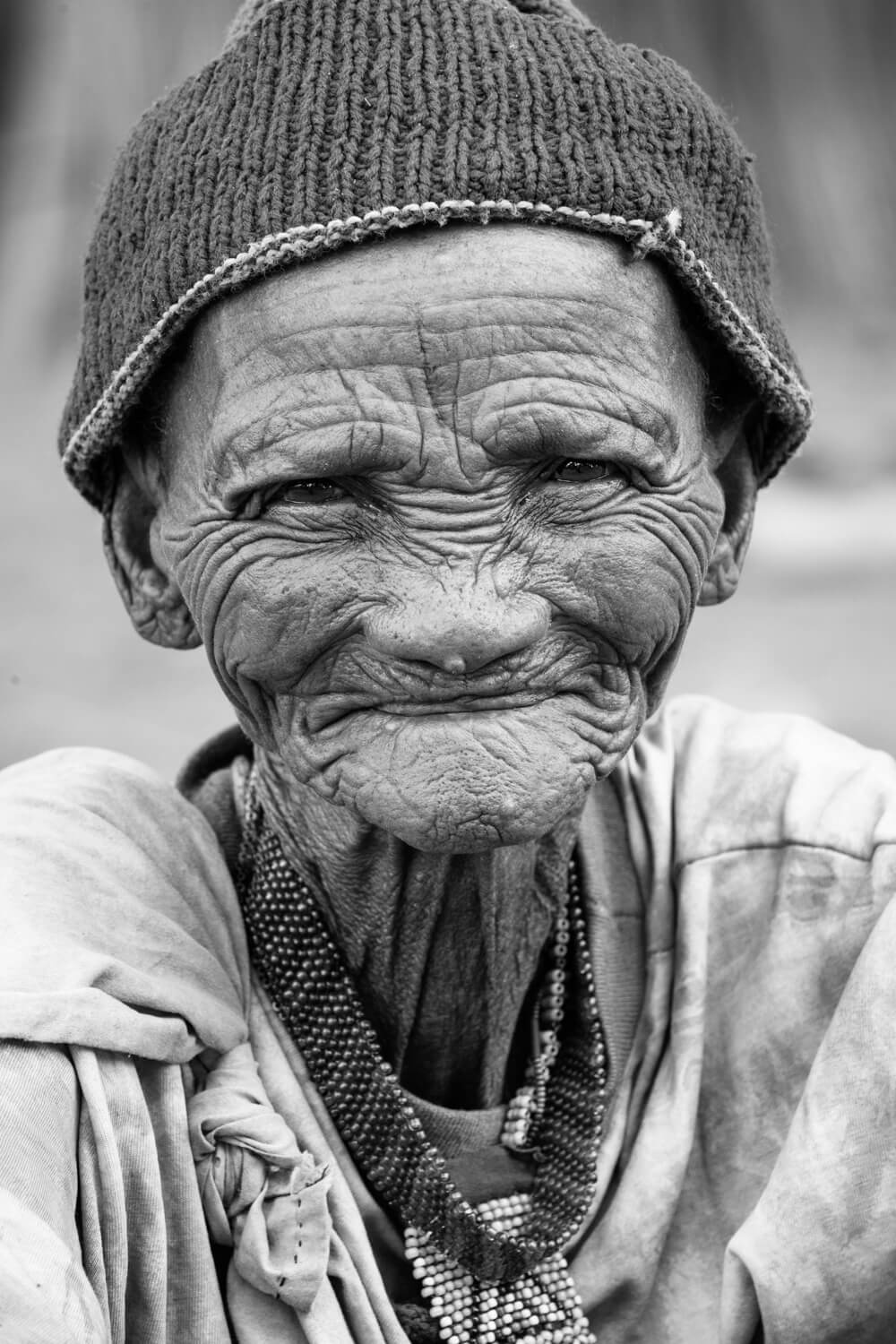
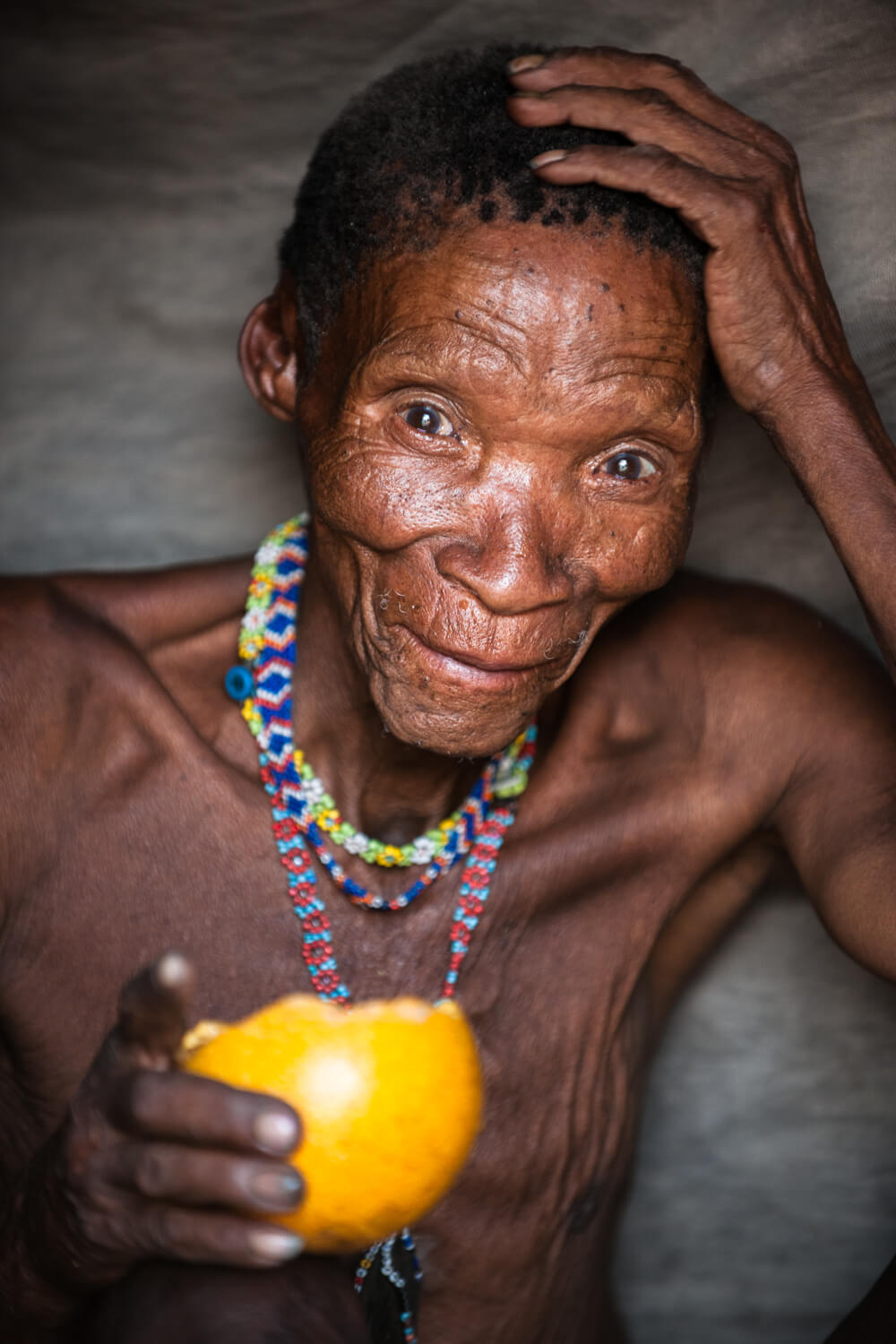
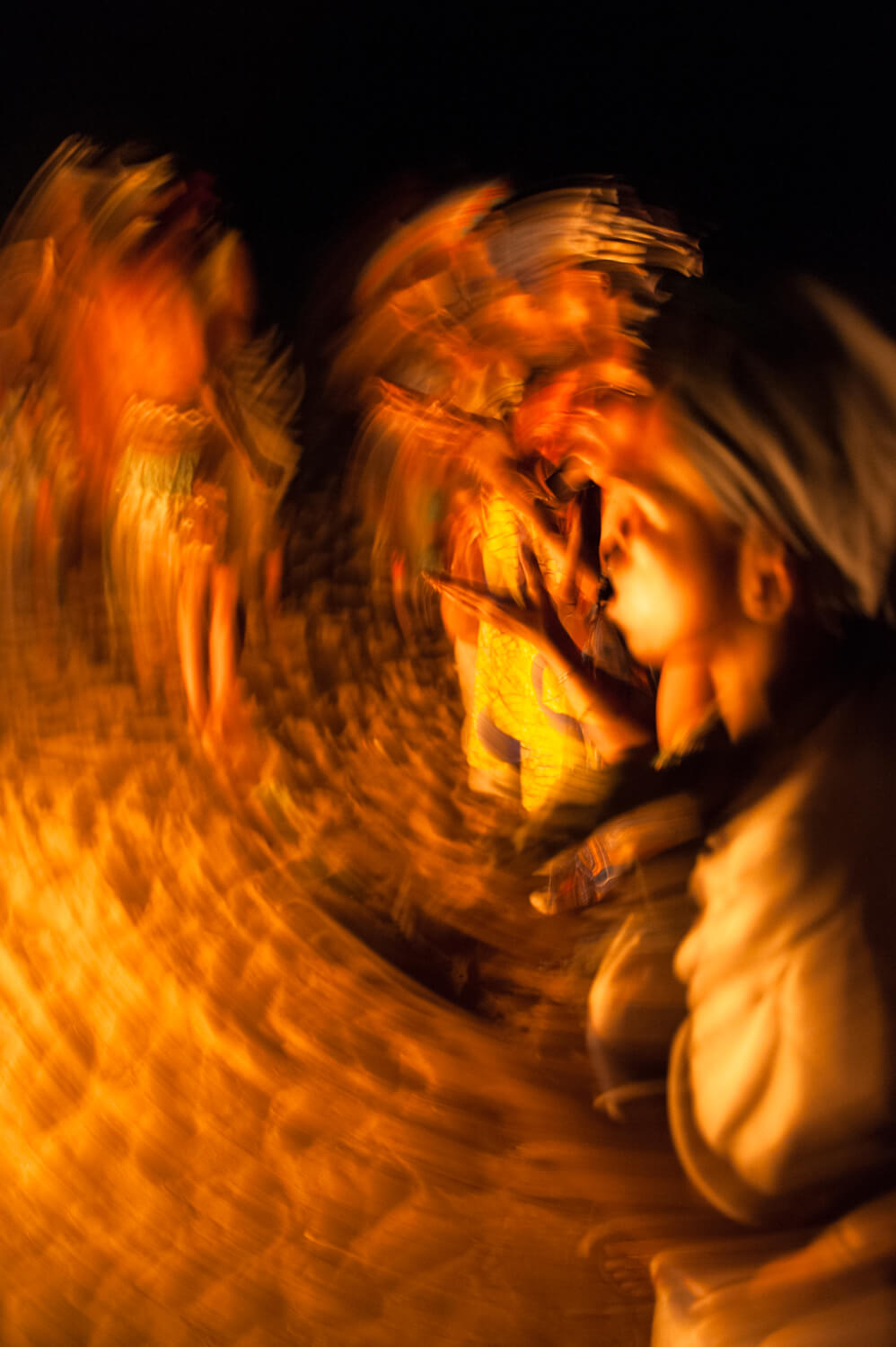
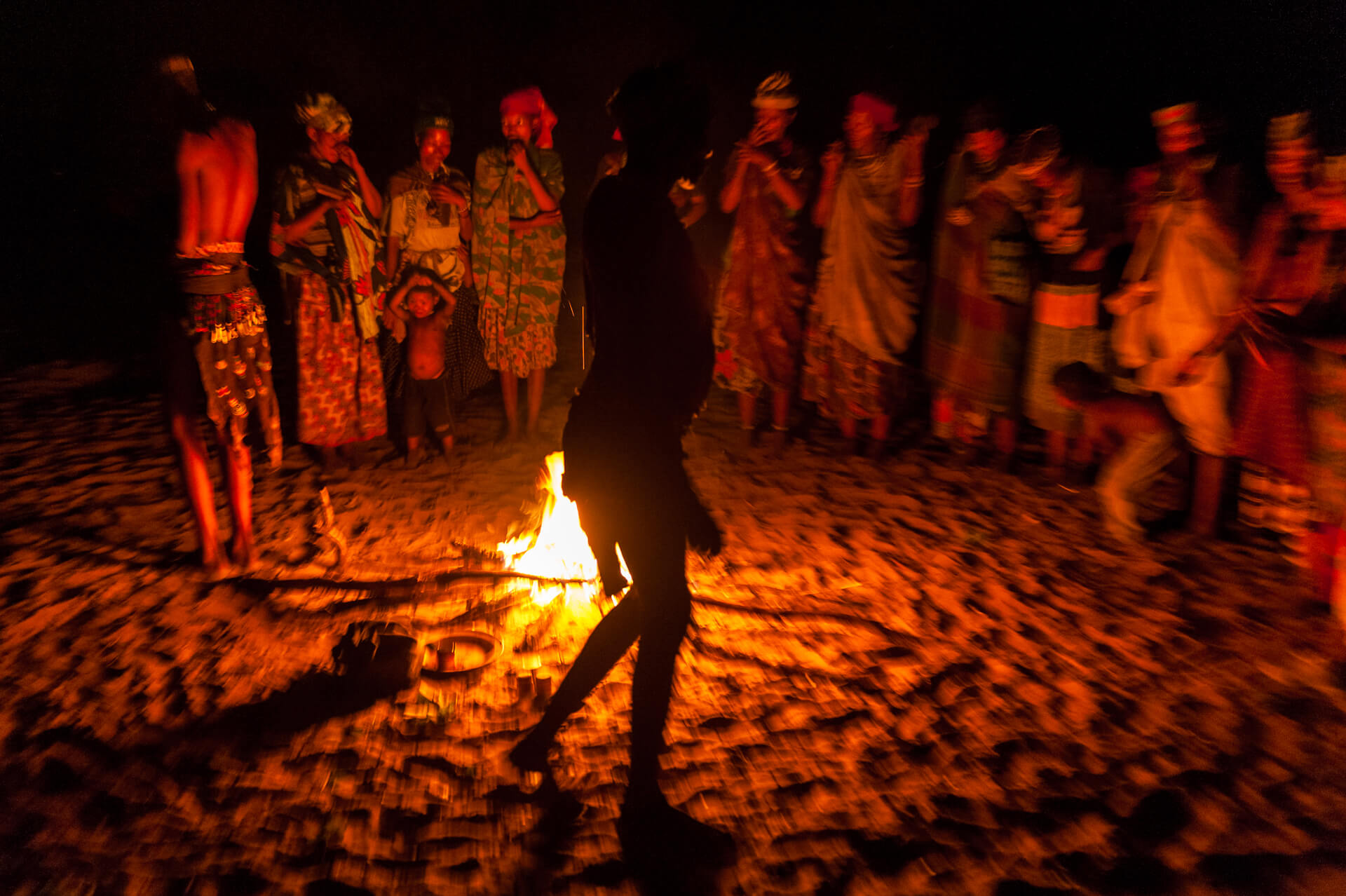
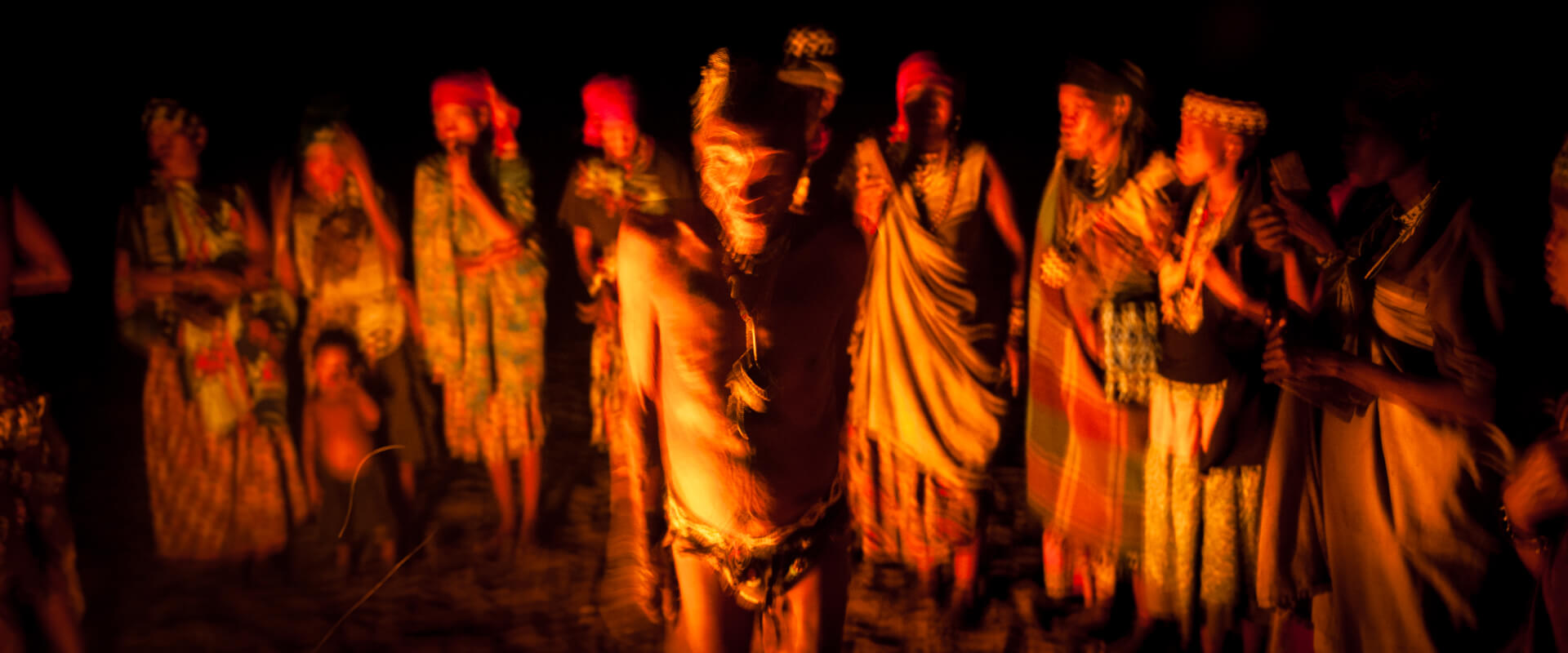
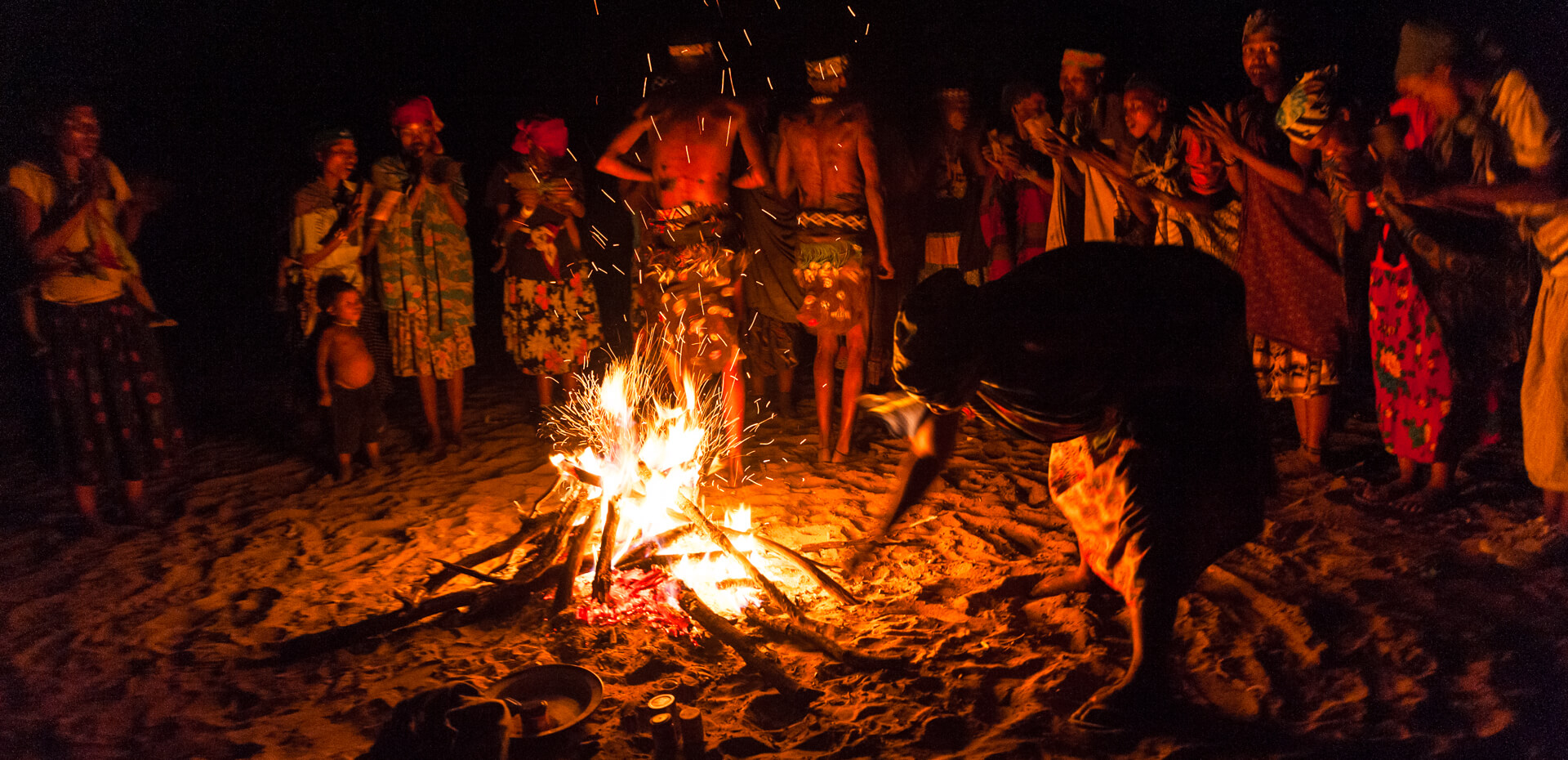
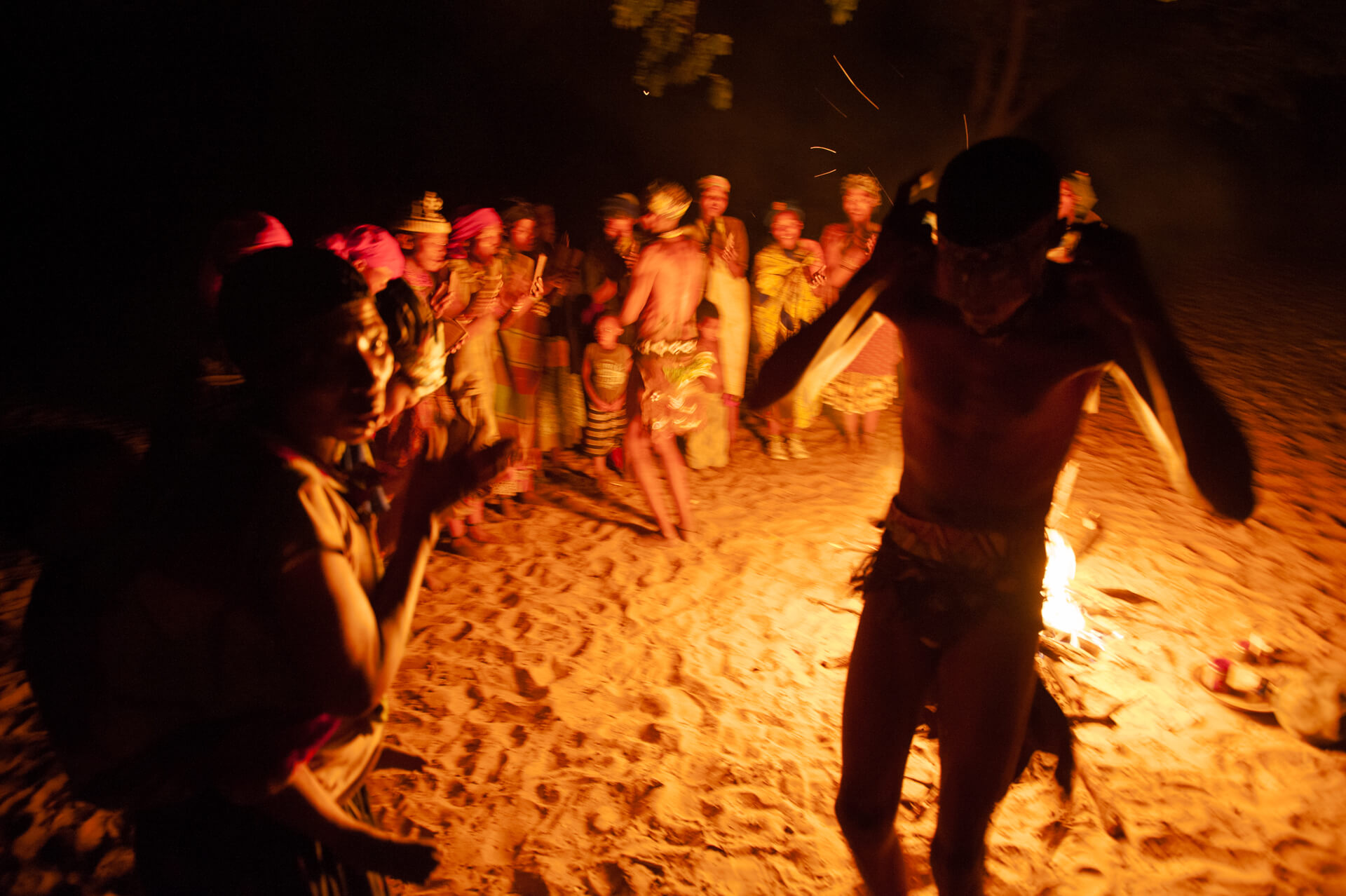
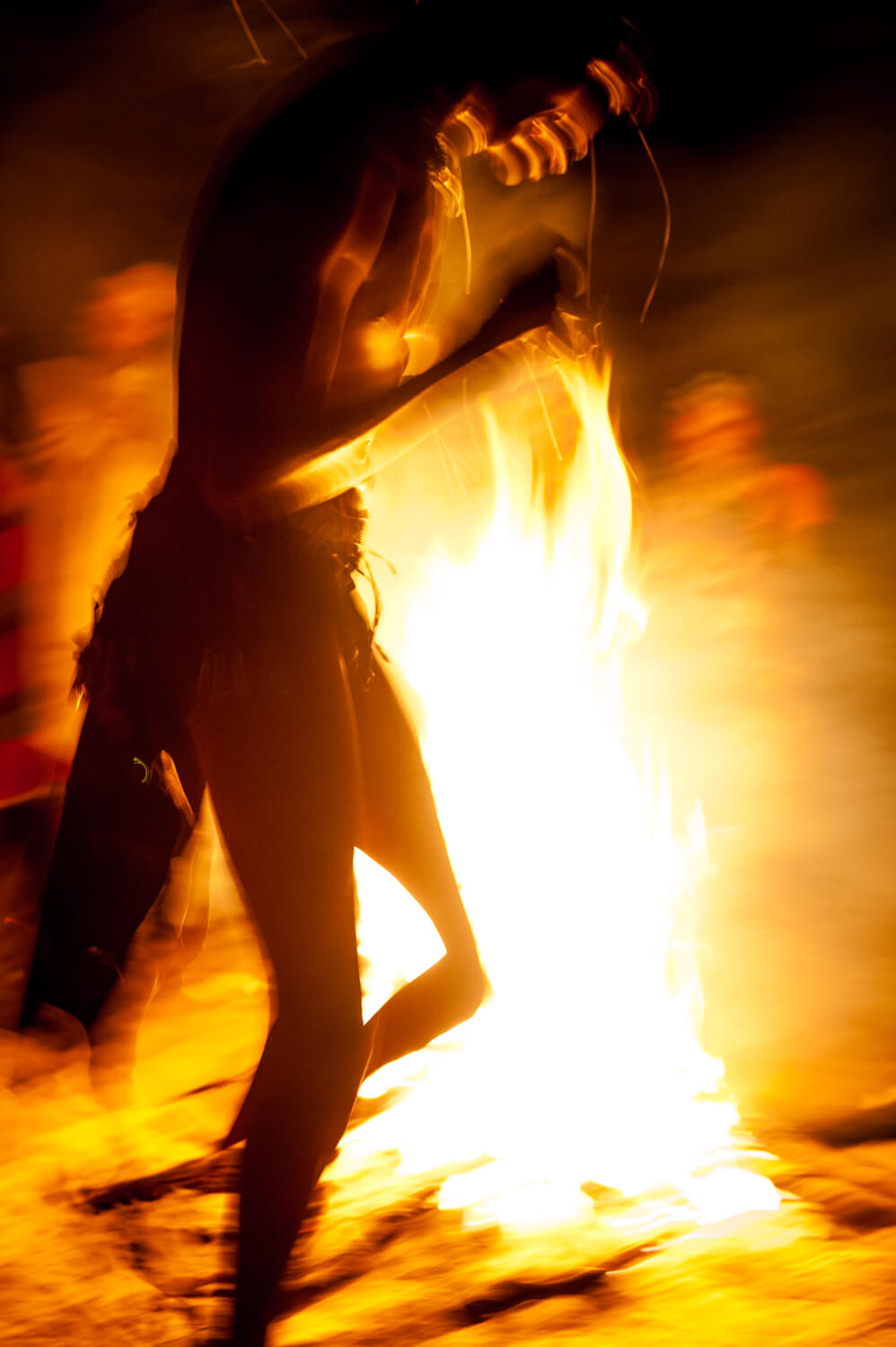
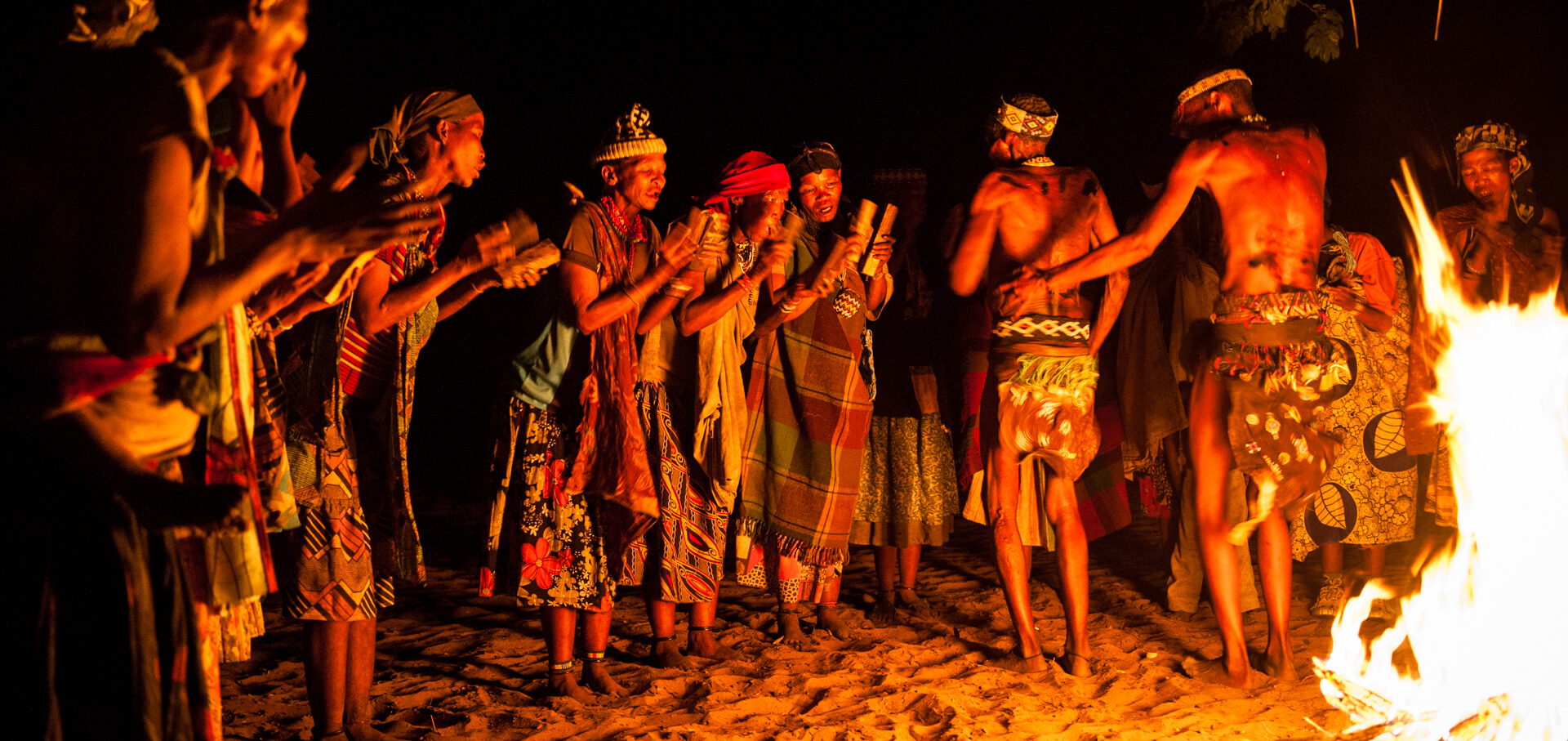
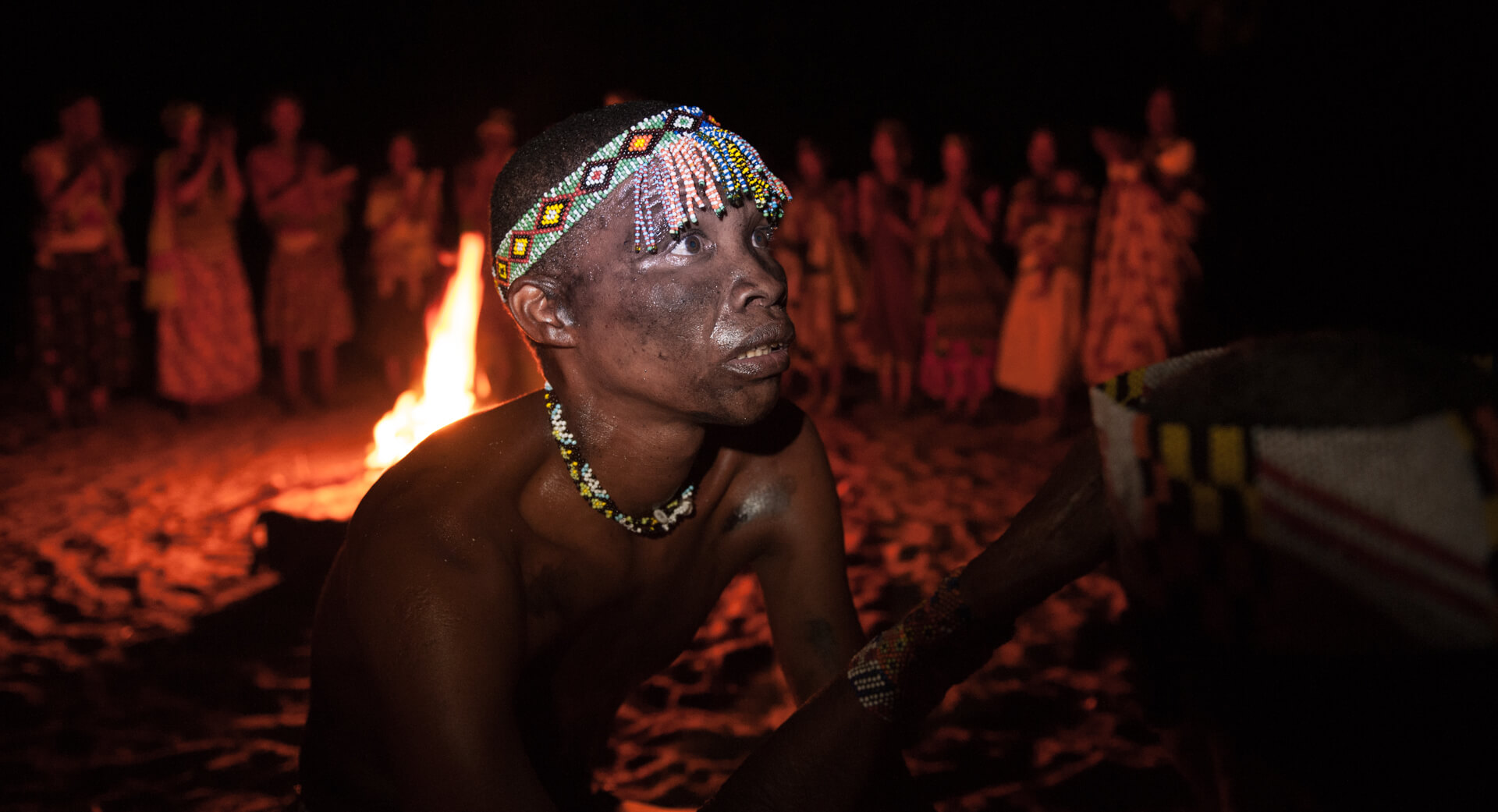
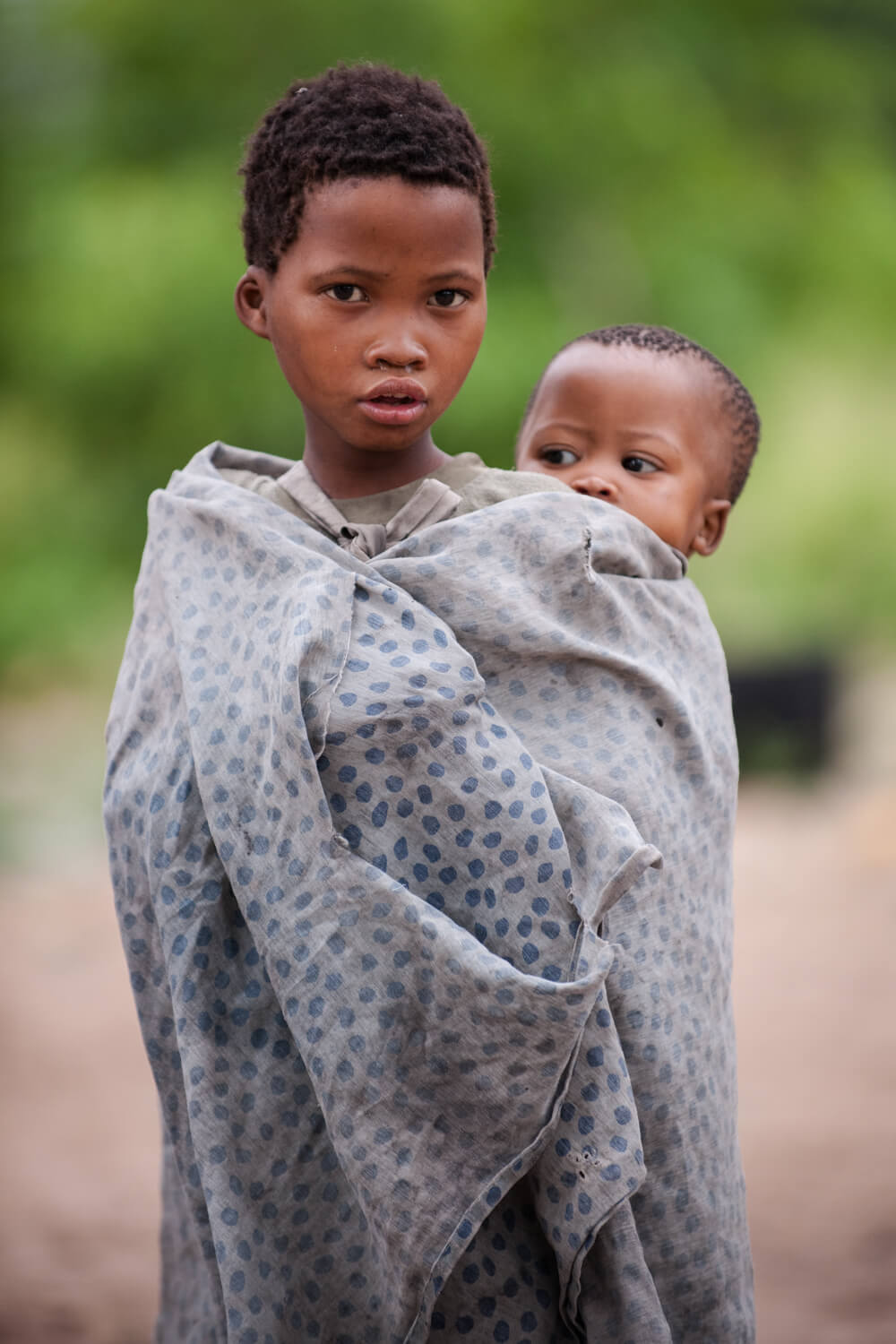
What I encountered during my time with the San was humbling. It was a mixture of beauty, struggle, and hope. I photographed their interactions in the harsh desert environment, capturing their moments of joy, work, and connection. Despite the hardships they faced, I saw strength and resilience in their eyes. It was evident in the traditional dances, the children learning from their elders, and the way the older generations passed on stories and wisdom. It was clear that, while many had been marginalized, they weren’t going away.
It’s heartbreaking that the San, the world’s oldest surviving culture, are still fighting for their land, their heritage, and their right to live as they have for centuries. And yet, seeing their refusal to let go of their traditions reminded me of the power of cultural identity. Through the lens of my camera, I was able to document the people’s struggles, their enduring sense of self, and the unwavering strength of their community spirit. The San have faced so much adversity, but in their hearts and in their resilience, their traditions endure.